The steep tariff hikes by telecom operators can potentially double the industry's operating profit levels amid weak cash flows and mounting debt, according to Crisil Ratings.
Nearly 80 percent of the additional revenue will flow straight to earnings before interest, tax, depreciation and amortisation, the credit-rating agency said in a report. The operators will be in a better position to fund adjusted gross revenue-related payouts, it said.
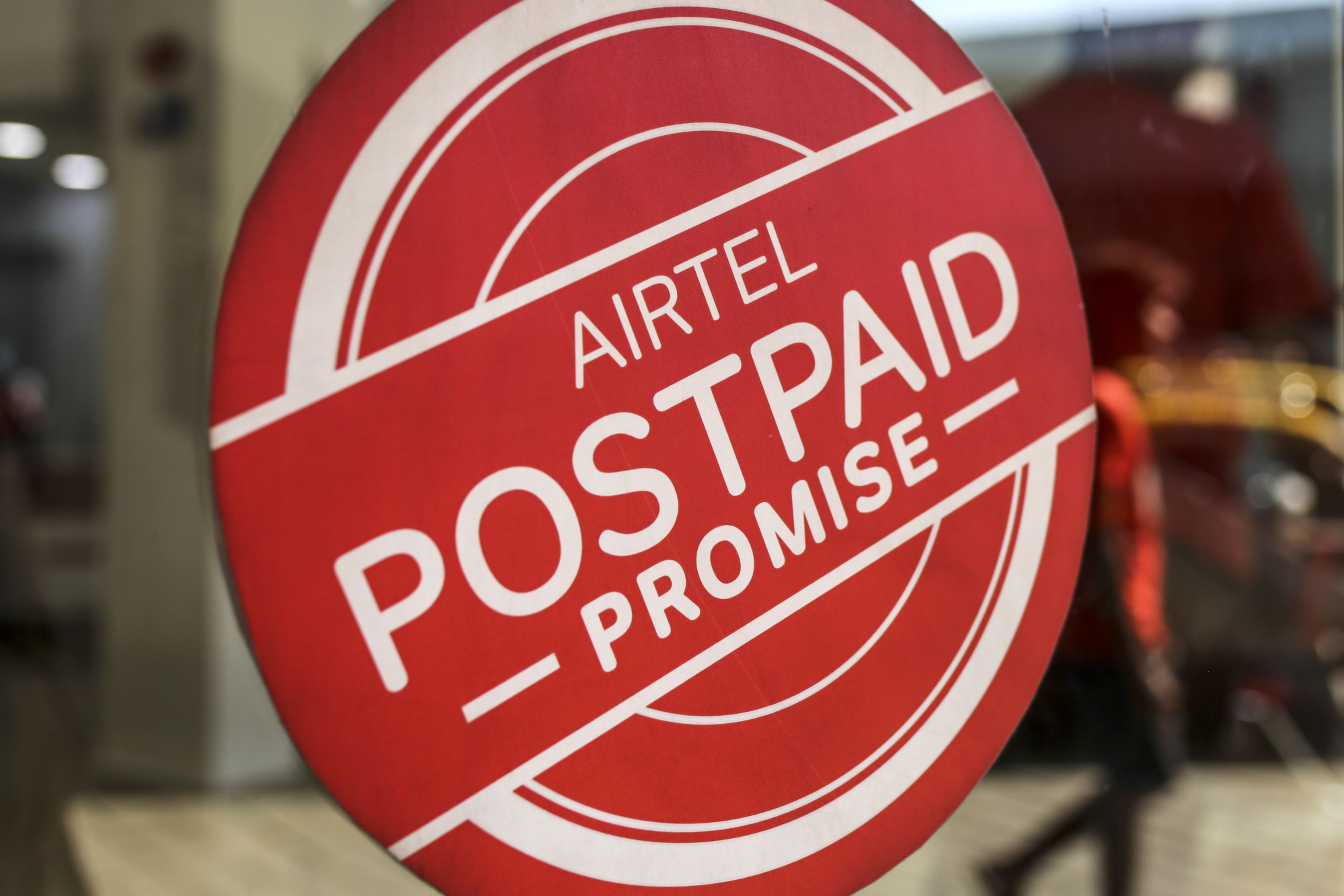
Private operators Bharti Airtel Ltd. and Vodafone Idea Ltd. increased tariffs by about 40 percent to pay off pending AGR dues after the Supreme Court ordered the wireless carriers to pay Rs 92,000 crore in dues and penalties. Reliance Jio Infocomm Ltd., which unleashed the pricing war, also increased its tariffs.
Crisil's analysis showed the revised tariffs will boost the industry's average revenue per user to Rs 145 next fiscal (2020-21) from around Rs 116 in fiscal-ended March 2019. “Every Re 1 increase in ARPU adds about Rs 1,000 crore to the industry's Ebitda. With 25 percent growth in blended ARPU expected, Ebitda could double in fiscal 2021 to about Rs 60,570 crore from Rs 29,450 crore last fiscal.”
Tariff hikes offer a “good opportunity” for the industry to repair its financials and become sustainable, the report said. However, the analysis did not factor in any outgo towards the purchase of 5G spectrum at the auctions expected in the near term, it said.
Our base-case assumes a payout of Rs 50,000 crore in licence fee arrears by these players. Any additional liability will stretch their balance sheets and necessitate fresh equity infusion and support from sponsors to maintain credit profiles.Nitesh Jain, Director, Crisil Ratings
Key Assumptions
- The average tariff of about 30 percent.
- Actual change in blended ARPU depends on change in consumer behaviour after the hike in tariffs.
- Base case of about 25 percent hike in blended ARPU factors in 30 percent increase in prepaid tariffs, current mix of prepaid-postpaid subscribers to continue, no growth in subscribers and moderate down-trading.
- Downside scenario of about 20 percent hike in blended ARPU factors in the continued price competition among operators, though at lower intensity and high level of downtrading.
Essential Business Intelligence, Continuous LIVE TV, Sharp Market Insights, Practical Personal Finance Advice and Latest Stories — On NDTV Profit.