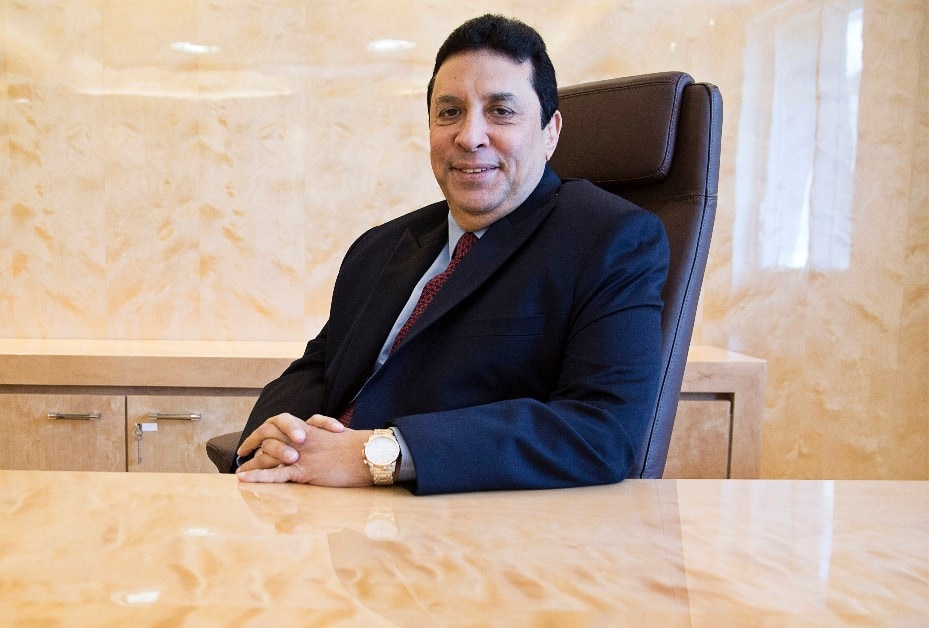
A rise in provisions for non-individual loans hurt Housing Development Finance Corporation Ltd.'s profit in the three months ended March, its Vice-Chairman and Chief Executive Officer Keki Mistry said.
Profit fell 21.6 percent in the January-March quarter owing to a high base. The housing finance firm had booked a one-time gain of Rs 1,513.4 crore from the sale of its stake in HDFC Standard Life Insurance Company in the year-ago quarter. HDFC had also made an additional provision of Rs 450 crore.
While the reported profit before tax declined 19.3 percent to Rs 2,938 crore, after considering the impact of the one-offs, the adjusted profit before tax grew 14 percent to Rs 2,938 crore.
Provisions jumped 26.5 percent over the October to December quarter to Rs 3,067 crore, nearly a fourth of which came from bad loans.
Provisions spiked due to composition of the loan book, Mistry told BloombergQuint in an interview. There was a substantial growth in the non-individual book, which requires higher standard asset provisioning than loans to individuals, he said.
The total loan book of the mortgage lender was in line with recent trends, rising 16 percent over the same quarter last year. “While the individual loan book grew at 23 percent for the (2016-17) fiscal year (before selling loans), the non-individual loan book saw a growth of 17 percent. Over the longer term, the management aims to maintain a growth of over 15 percent in the individual loan book prior to selling loans,” he said.
The yield spread on individual loans over the cost of borrowing also rose to 2.33 percent from 2.29 percent last year. Mistry, however, foresees spreads remaining within the historical range of 2.20-2.35 percent.
He said 17 percent growth in assets under management (AUM) in non-individual loans was mainly driven by the lease rental discounting portfolio.
For the overall market, Mistry said, the implementation of the Real Estate (Regulation and Development) Act, 2016 would lead to greater transparency and increase homebuyers' confidence in developers.
Asked if the real estate industry was still recovering from note ban, he said, the impact of demonetisation, which was believed to have led to fears of a property price crash and homebuyers holding back purchases “is completely behind us”. “There was not that much cash in the real estate market, and hence the minimal impact of the government's move.”
On when HDFC-Max Life merger was expected to completed, Mistry said the company was not following any specific timeline and still awaited regulatory approvals.
Also Read: RERA Set To Empower Homebuyers
Essential Business Intelligence, Sharp Market Insights, Practical Personal Finance Advice, Daily Fuel, Gold and Silver Prices and Latest Stories — On NDTV Profit.