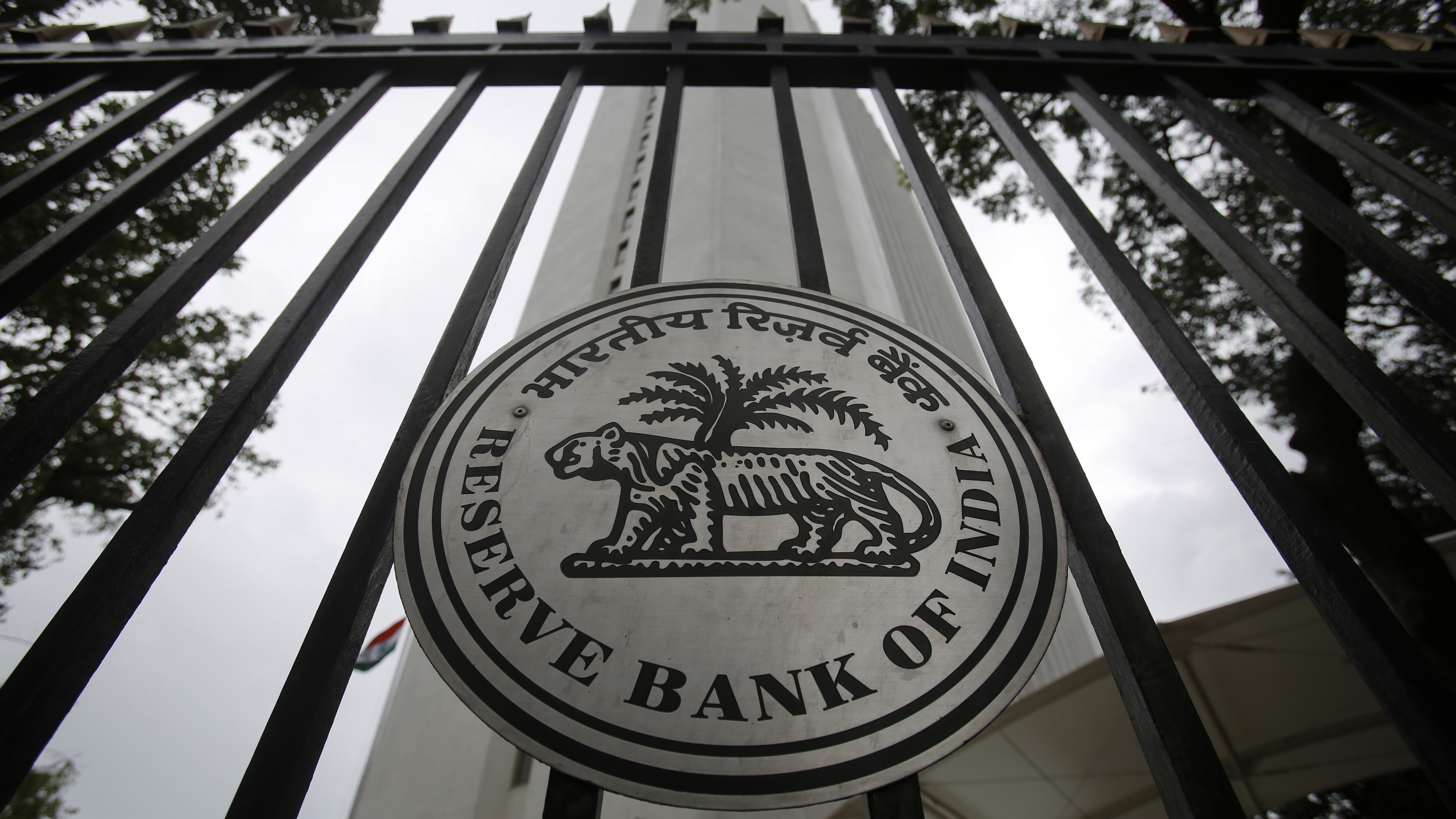
On a day that the government enhanced the powers of the Reserve Bank of India to tackle the bad loan problem, the central bank itself tightened guidelines governing joint lender forums (JLFs). It has asked banks to fall in line with resolution plans as soon as the larger lenders in the consortium have agreed to do so.
The RBI also said that it may impose monetary penalties on banks that do not adhere to the timelines set for resolution of bad loans.
According to the central bank's latest guidelines, only 60 percent of the lenders by value and 50 percent of the lenders by number have to agree to a restructuring plan, for it to be accepted by all lenders in the consortium. Earlier this benchmark was set at 75 percent of lenders by value and 60 percent of lenders by number.
“Lenders shall ensure that their representatives in the JLF are equipped with appropriate mandates, and that decisions taken at the JLF are implemented by the lenders within the timelines,” the regulator said in its notification.
In case a bank does not want to follow the majority decision, it is free to leave the consortium by selling its exposure to another lender. Every member of the consortium should implement the resolution package without any conditionalities. The boards of banks shall empower their executives to implement the JLF decision without requiring further approval from the board, said the RBI.
The regulator also clarified to banks that the corrective action plan (CAP) devised for a stressed account may also include resolution by way of flexible structuring of project loans, change in ownership under strategic debt restructuring (SDR), scheme for sustainable structuring of stressed assets (S4A), etc. The CAP is the name given to the resolution plan that lenders arrive at under the JLF mechanism within 45 days of a case being admitted.
“...the framework specifies various timelines within which lenders have to decide and implement the CAP. The framework also contains disincentives, in the form of asset classification and accelerated provisioning where lenders fail to adhere to the provisions of the Framework. Despite this, delays have been observed in finalising and implementation of the CAP, leading to delays in resolution of stressed assets in the banking system,” the central bank noted in its notification.
It added that banks may face monetary penalties if they delay resolution of stressed assets.
Any non-adherence to these instructions and timelines specified under the framework shall attract monetary penalties on the concerned banks under the provisions of the Banking Regulation Act 1949.RBI Notification
The JLF was introduced in February 2014 so that banks may get a forum to sit together and finalize a resolution plan for stressed accounts. However, the mechanism has not proved to be effective due to persistent delays in taking a decision.
The change in the JLF rules comes against the backdrop of amendments to the Banking Regulation Act, made public by the government on Friday. The amendments granted sweeping powers to the RBI to manage the stressed asset problem in banks by intervening directly. India's banking system is currently sitting on over Rs 7 lakh crore in gross non-performing assets (NPAs). The total stressed assets are higher at close to Rs 10 lakh crore.
Also Read: Empowering RBI To Clean Up The Bad Loan Mess. Will It Work?
Essential Business Intelligence, Sharp Market Insights, Practical Personal Finance Advice, Daily Fuel, Gold and Silver Prices and Latest Stories — On NDTV Profit.