
The Monetary Policy Committee (MPC) will announce its decision on interest rates on Wednesday after concluding a two-day meeting. Analysts were taken by surprise in February when the MPC moved to a neutral stance from an accommodative one, suggesting that rate cuts are over for this cycle. Since then, inflation has fallen more than anticipated, laying the groundwork for another rate cut. A neutral stance, as the Reserve Bank of India (RBI) has stressed, allows a rate move in either direction.
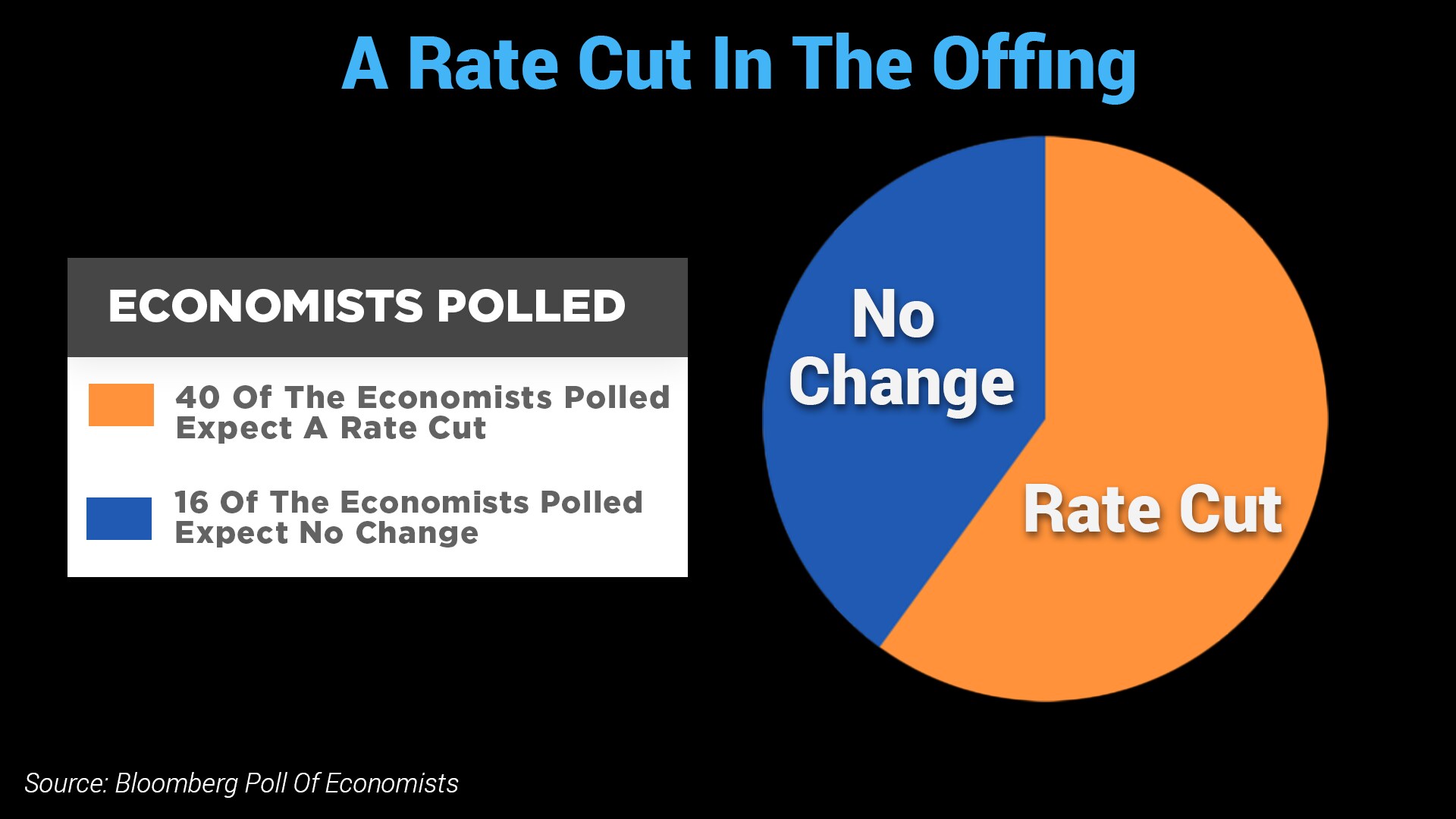
According to a poll conducted by Bloomberg, 40 of 56 economists expect a 25 basis point cut in the benchmark repo rate. This would bring the policy rate down from 6.25 percent to 6 percent.
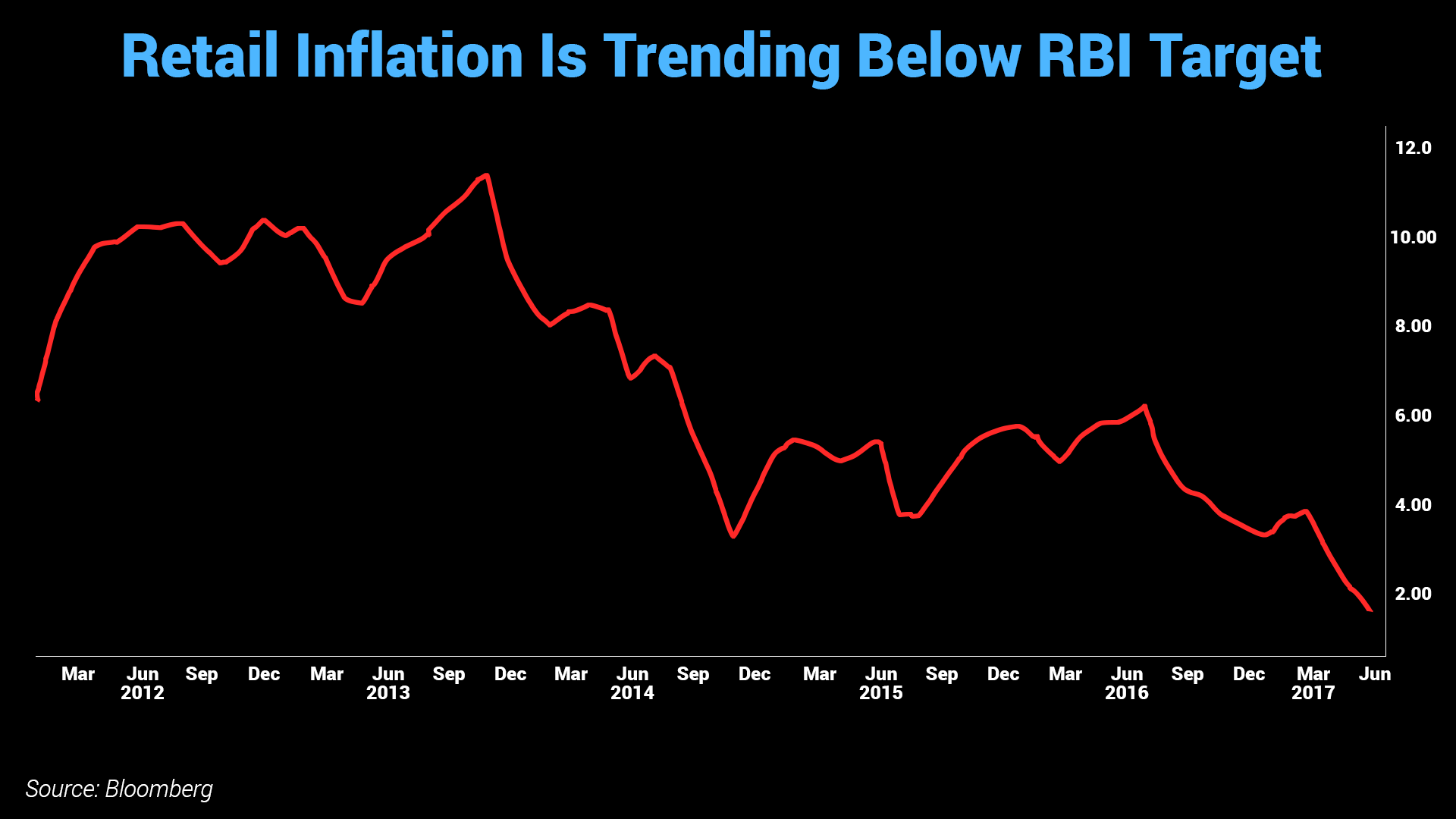
What may allow the MPC to ease rates is the recent drop in retail inflation. Consumer price inflation fell to 1.54 percent in June, taking it to below the RBI's minimum threshold of 2 percent. As per the monetary policy framework agreement, the MPC is mandated to maintain inflation in a band of 4 percent (+/- 2 percent). To be sure, the mandate will be considered breached only if inflation remains above or below that band for three consecutive quarters.
While one month's inflation data will not prompt a rate cut, the MPC may take on board views that suggest a structural shift in inflation. If the MPC expects inflation to settle at near 4 percent by March 2018, it could choose to bring down the benchmark repo rate. Most analysts argue that at present, the real rate is much higher than the RBI's preferred band of 1.25-1.75 percent. This, too, could push the MPC towards announcing a rate cut.
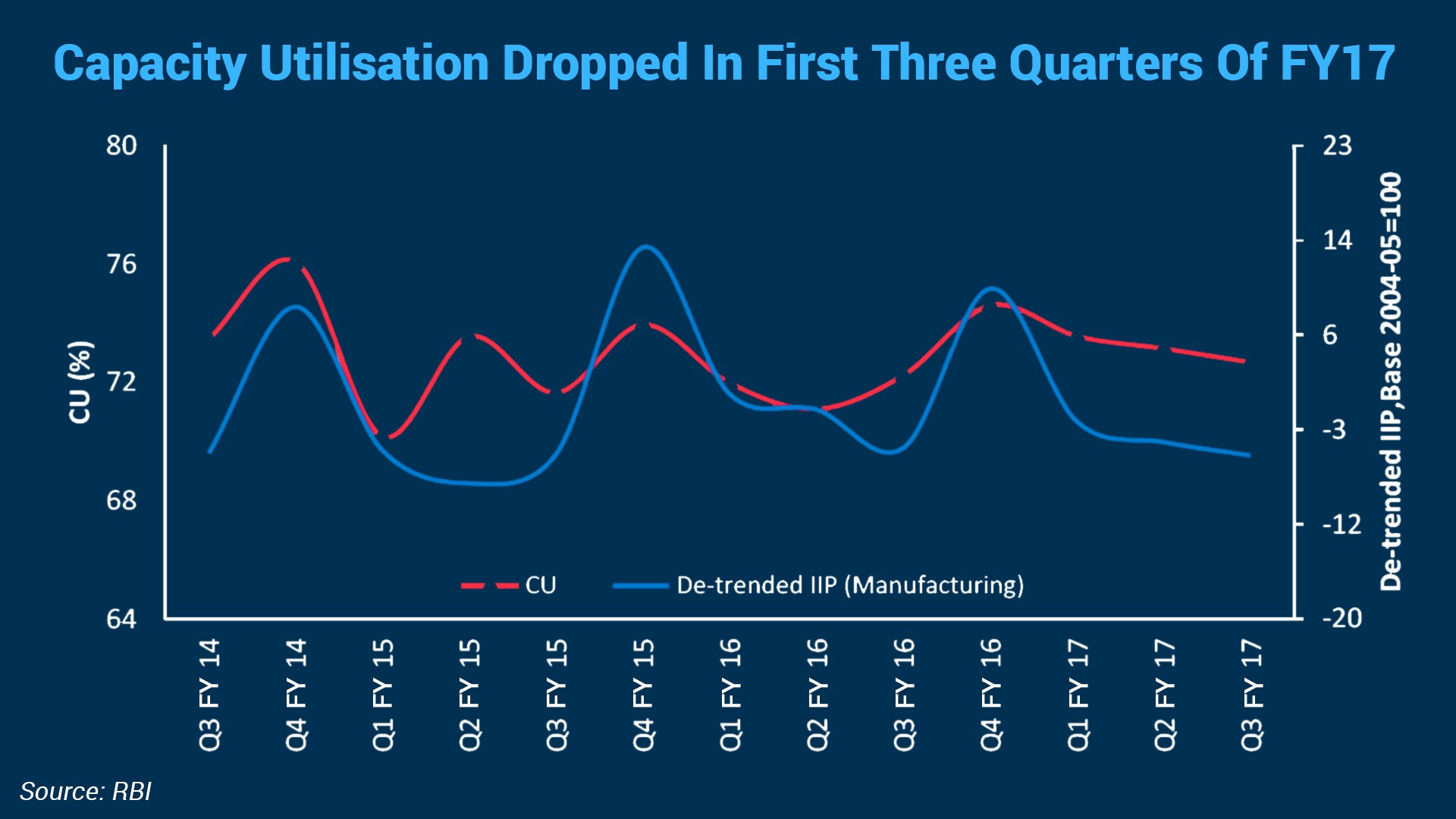
While the MPC may very well deliver a rate cut, the impact of easier monetary policy may be limited. The Indian economy continues to be held back by lack of private investment. This is unlikely to change in a hurry since capacity utlitisation remains close to 75 percent. Private investment tends to pick up only after capacity utilisation breaches the 80-85 percent mark.
In the absence of a big push to investment, lower rates may provide some added impetus to consumption demand, which has already been strong.
Another factor worth considering while weighing the need for a rate cut is the liquidity in the market. Easy liquidity conditions have meant that highly-rated firms are being able to raise funds from the market with ease at reasonable risk-adjusted rates.
Against this backdrop of surplus liquidity, the RBI has been absorbing funds from the market through open market operations (OMOs). Cutting rates at a time when the regulator is absorbing liquidity may give conflicting signals to the market.
.png)
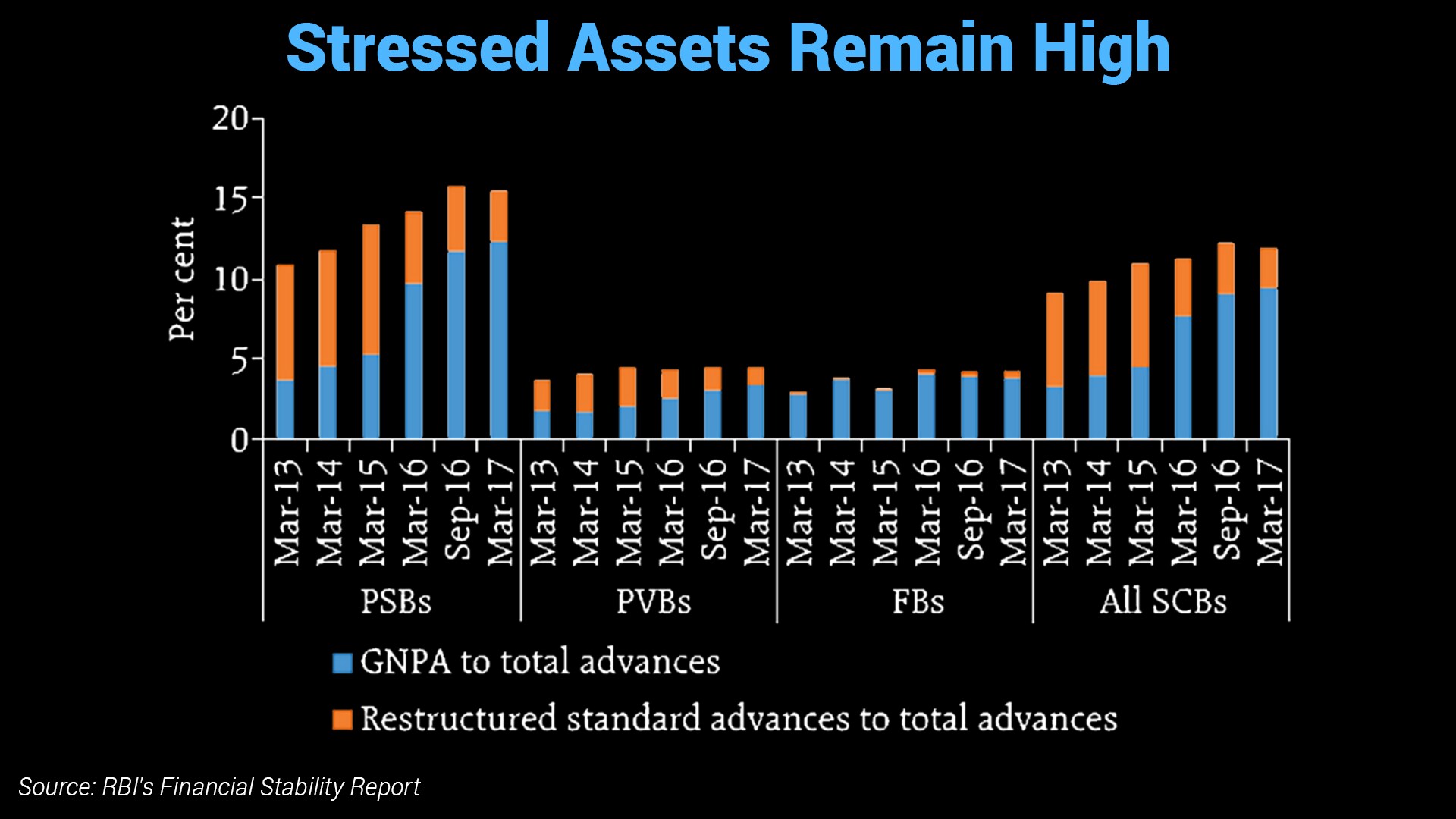
Finally, the high level of stressed assets in the banking sector may also play a role in the RBI's rate decision. The minutes of the June MPC meeting showed that RBI Deputy Governor Viral Acharya had noted that slightly higher rates may be justified at a time when bank balancesheets are weighed down by stressed assets.
“Tolerance for a slightly higher real rate of interest is justified to ensure weak banks do not find relatively low the hurdle rate for ever-greening (perennial extension) of bad loans,” said Acharya.
Essential Business Intelligence, Sharp Market Insights, Practical Personal Finance Advice, Daily Fuel, Gold and Silver Prices and Latest Stories — On NDTV Profit.