- The RBI cancelled Paytm Payments Bank's licence due to regulatory violations and lapses.
- Business curbs began in 2022, stopping new customers and later all deposit activities.
- Paytm Payments Bank only handled withdrawals and limited services before licence cancellation.
The Reserve Bank of India (RBI) has cancelled the licence of Paytm Payments Bank, more than two years after the regulator imposed business curbs on the company over violations, including lapses in customer due diligence.
The restrictions began in 2022 with the prohibition of new customer onboarding. In January 2024, the RBI banned fresh deposits, credit transactions, and wallet top-ups. By March 15, 2024, no new funds were allowed. This meant any core banking activity was effectively stopped.

-
 India's Market Leaders To Decode The New Samvat At NDTV Profit Ignite In Mumbai On Oct 28
 -
 NDTV Profit IGNITE Diwali 2026: Top Market Veterans Decode Wealth Creation
 -
 The Week Ahead: Earnings Season, Fed Policy Verdict And Crude Oil In Focus
 -
 Silver Is Now Down From Rs 4.2 Lakh To Rs 1.9 Lakh: Where It Goes From Here
 -
 NDTV Ignite, The Trillion-Dollar Trajectory: India's Road to 2030
ALSO READ: Paytm Becomes Majority Indian-Owned As Domestic Investors Consolidate Holdings
Also Read | Layoffs Are Rising In Tech, But These Skills Are Helping People Unlock Better Pay
Since then, the bank has only handled withdrawals of existing balances. Some limited services also continued. Now, the RBI's move to cancel the license formalises this status.
Backed by One97 Communications, Paytm received its banking licence in August 2015 and could accept small deposits but could not give loans.
What RBI Said?
The RBI stated that the bank's affairs were conducted in a manner detrimental to depositors. It added that the management's conduct was against public interest. "The general character of the management of the bank is prejudicial to the interest of depositors, as also the public interest. No useful purpose or public interest would be served by allowing the bank to continue," it said.
After the move, One97 Communications cannot operate any deposit-taking activities. It holds 51% in Paytm Payments Bank, while the rest is owned by founder Vijay Shekhar Sharma.
What This Means For Customers
Paytm said the cancellation of the bank's licence will not have any financial impact on its business. After the restrictions, Paytm separated its operations from its banking arm. The popular fintech company was allowed to continue Unified Payments Interface services through partner banks after approval from the National Payments Corporation of India.
Its UPI handle was shifted to a multi-bank system led by Yes Bank. Merchant payments were also moved to partner banks. Paytm later received approvals to add new UPI users and a payment aggregator licence. As a result, its core payment services continue to run normally despite the bank's closure.
ALSO READ: Paytm Logs Another Quarterly Profit In Q3, Records Over 10x Surge
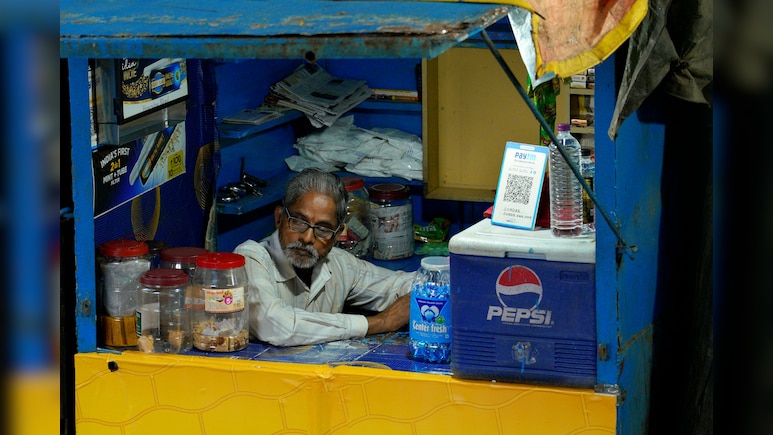
Paytm Payments Bank customers face no immediate disruption either. They can withdraw existing balances without any issue. However, fresh deposits and wallet top-ups continue to be restricted. Daily services like UPI payments, QR merchant transactions and bill payments remain unaffected as they are processed by partner banks.
Essential Business Intelligence, Sharp Market Insights, Practical Personal Finance Advice, Daily Fuel, Gold and Silver Prices and Latest Stories — On NDTV Profit.