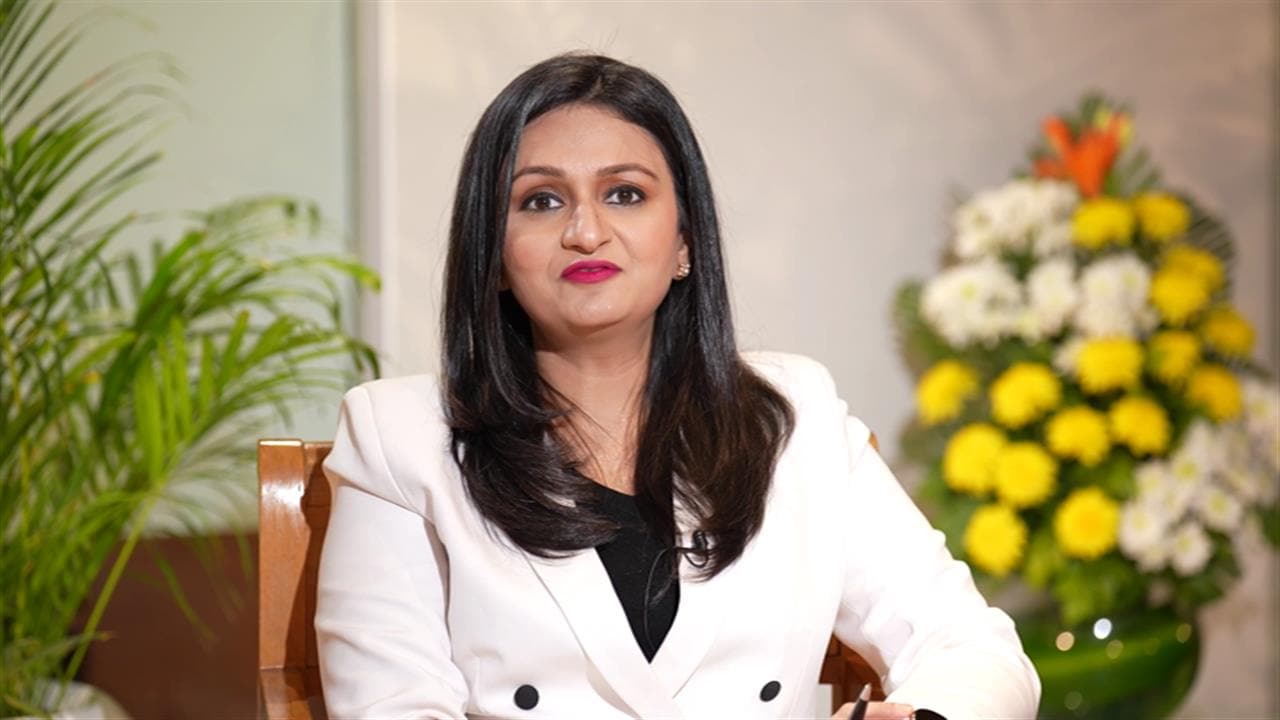
.jpg?downsize=773:435 "Quantsapp CEO Talks About Choosing Options Trading Over Futures Trading")
The downside while buying an option—a non-linear instrument—is limited to the premium paid unlike futures where the loss can extend to the extent of the downfall, according to Quantsapp Founder and Chief Executive Officer Shubham Agarwal.
“Buying options also provides a natural hedge. The potential to make high ROI in options trading is tremendous if the directional call goes right,” Agarwal said on the sidelines of Algo Convention 2019. “Returns get amplified while limiting the losses.”
Trading in options, he said, also gives the potential to make returns in a stagnant market by adopting the right strategy, instead of sitting on the sidelines completely.
Building an options system is not as straightforward as a futures system, he said. “A buy signal which leads to a buy trade in the futures has different trading strategies in the options system. It is made to measure rather than one size fits all.”
All factors affecting the price of an option need to be evaluated before initiating an options strategy, Agarwal said, adding that while converting a futures system into an options system, the idea should be to enhance the reward in relation to the risks undertaken. “90 percent of traders holding options for a long duration land up losing money despite targets getting achieved and this is due to the erosion of the time value of the options — more commonly known as ‘Theta'. If the holding period of a trade is more than five days, an options strategy should not be deployed.”
Prices of the options vary significantly during the expiry week and with limited number of days left, one should not look at initiating just a single options trade, he said. “Out of the money options value will erode at a faster clip in expiry week if the underlying asset doesn't move much and hence positions in OTM strikes are considered risky with fewer days left to expiry.”
Watch the video here:
Essential Business Intelligence, Continuous LIVE TV, Sharp Market Insights, Practical Personal Finance Advice and Latest Stories — On NDTV Profit.