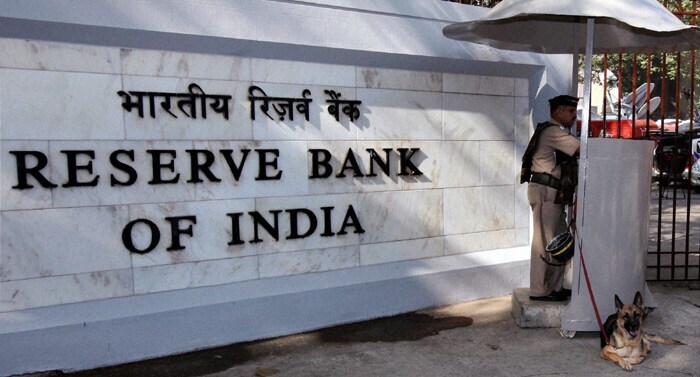
The fiscal deficit target of 4.6 per cent of GDP in 2011-12 could be missed and this will have serious implications on inflation, according to the Reserve Bank of India (RBI).
"In 2011-12, developments so far indicate that the fiscal deficit target of 4.6 per cent of GDP could be breached which will have implications for domestic inflation.
"The moderation in private demand resulting from anti-inflationary monetary policy stance of the RBI will be partly offset by the expansion in public sector demand in terms of the size of the fiscal deficit," RBI Deputy Governor H R Khan said.
Speaking at the 10th National Management Seminar in Bhubaneswar recently, Khan said while shrinking value of money on account of high price rise called for a tight monetary policy, there is also a need to maintain a balance between controlling inflation and boosting growth.
The transcript of Khan's speech was made available in the RBI's website.
The government has already admitted that adhering to the 4.6 per cent fiscal deficit target would be a challenge on account of lower than expected revenue mop-up and the global financial crisis.
"Shrinking value of money because of persistent high inflation explains the importance of anti-inflationary monetary policy," the RBI Deputy Governor said.
Khan said for a country like India with a large percentage of population still living below the poverty line, inflation works as a regressive tax.
"Economic welfare of the population at large could be enhanced primarily through higher growth, that too in a low and stable inflation environment. That suggests why balancing growth and inflation becomes so important to monetary policy," he said.
Khan said inflation within the threshold level would not mean erosion in purchasing power since higher growth would also raise the income levels, resulting in increased net purchasing power.
"Unless the benefits of growth get equitably distributed, this net increase in purchasing power may not happen to all.
At the aggregate level, some inflation that coexists with high growth could be welfare maximising.
"At high inflation, particularly above threshold level, growth may, however, moderate, and both high inflation and low growth could erode welfare," he said.
According to Khan, while the global commodity price index has gone up by more than 85 per cent between February 2009 to October 2011, India's Wholesale Price Index (WPI) during that period has risen by about 27.6 per cent.
Essential Business Intelligence, Continuous LIVE TV, Sharp Market Insights, Practical Personal Finance Advice and Latest Stories — On NDTV Profit.