- Indian aviation faces volatility due to Middle East conflict since February 28, 2026
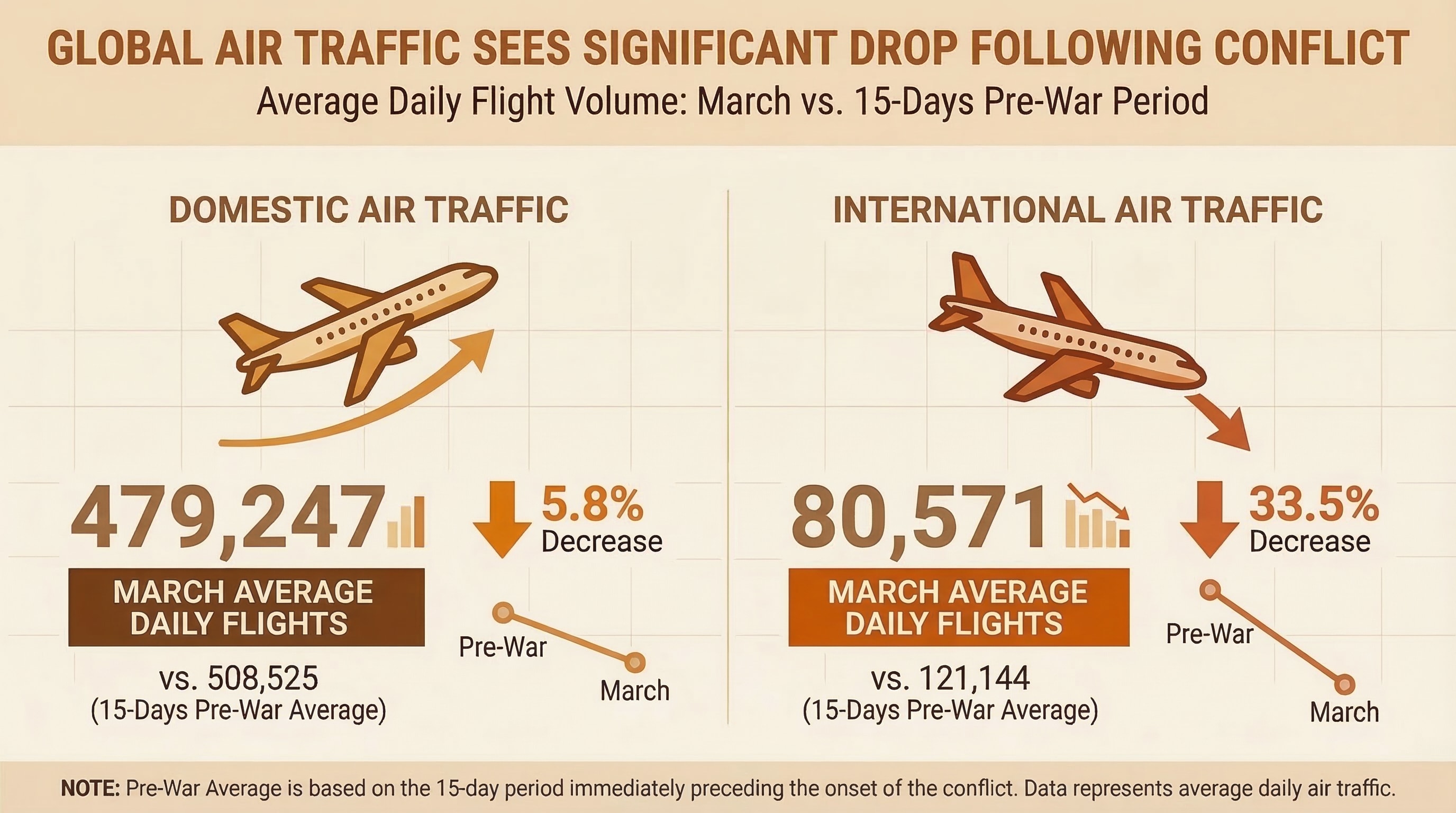
- Domestic passenger traffic dropped 5.8% in early March compared to pre-war levels
- International traffic fell 33.5% with gradual recovery since March 3 reaching March 15 high
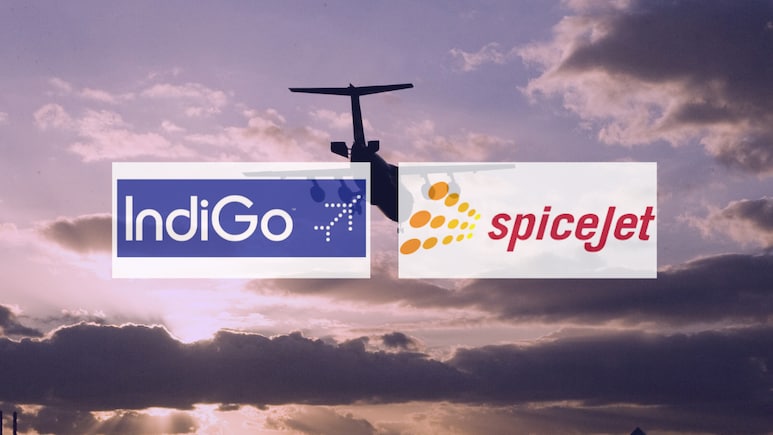
The Indian aviation sector is navigating a period of significant volatility as the first half of March 2026 reveals the stark impact of escalating geopolitical tensions. Following the sudden outbreak of hostilities in the Middle East on February 28, major carriers like IndiGo and SpiceJet have been forced to overhaul operations as airspace closures and rising fuel costs disrupt the global flight corridor.
Domestic air traffic remains the bedrock of the industry, though it has not escaped the broader cooling trend. Average daily domestic passengers for the first 15 days of March stood at 4,79,247, marking a 5.8% decline compared to the pre-war 15-day average of 5,08,525.
Budget carriers, particularly IndiGo with its dominant market share and SpiceJet as it manages operational scaling, are closely monitoring these figures as aviation turbine fuel (ATF) prices and war-risk insurance premiums weigh on the sector's bottom line.
Also Read | Layoffs Are Rising In Tech, But These Skills Are Helping People Unlock Better Pay
International Traffic: A Steep Climb Back
The international segment tells a more dramatic story of disruption. Average daily international traffic plummeted by 33.5% in the first half of March compared to pre-war levels. The average daily volume of 80,571 passengers remains significantly lower than the pre-conflict benchmark of 1,21,144.
However, the data points toward an improving trend as airlines adapt. The sector hit a floor on March 3, when international traffic bottomed out at 62,212 passengers. Since then, a steady recovery has emerged, reaching a period high of 93,491 passengers on March 15.
Strategic Shifts for Carriers
The recovery in volume is partly due to emergency pivots. SpiceJet has launched special evacuation flights from Fujairah, UAE, to assist stranded citizens, while IndiGo has temporarily suspended routes to seven Middle Eastern destinations to bypass restricted airspace.
As the industry moves into late March, stakeholders are watching to see if the recent peak in international travel signals a sustained return to normalcy or a temporary spike driven by those returning home from conflict zones.
ALSO READ: West Asia War: SpiceJet To Operate Flights From UAE To India — Check Routes
Essential Business Intelligence, Sharp Market Insights, Practical Personal Finance Advice, Daily Fuel, Gold and Silver Prices and Latest Stories — On NDTV Profit.