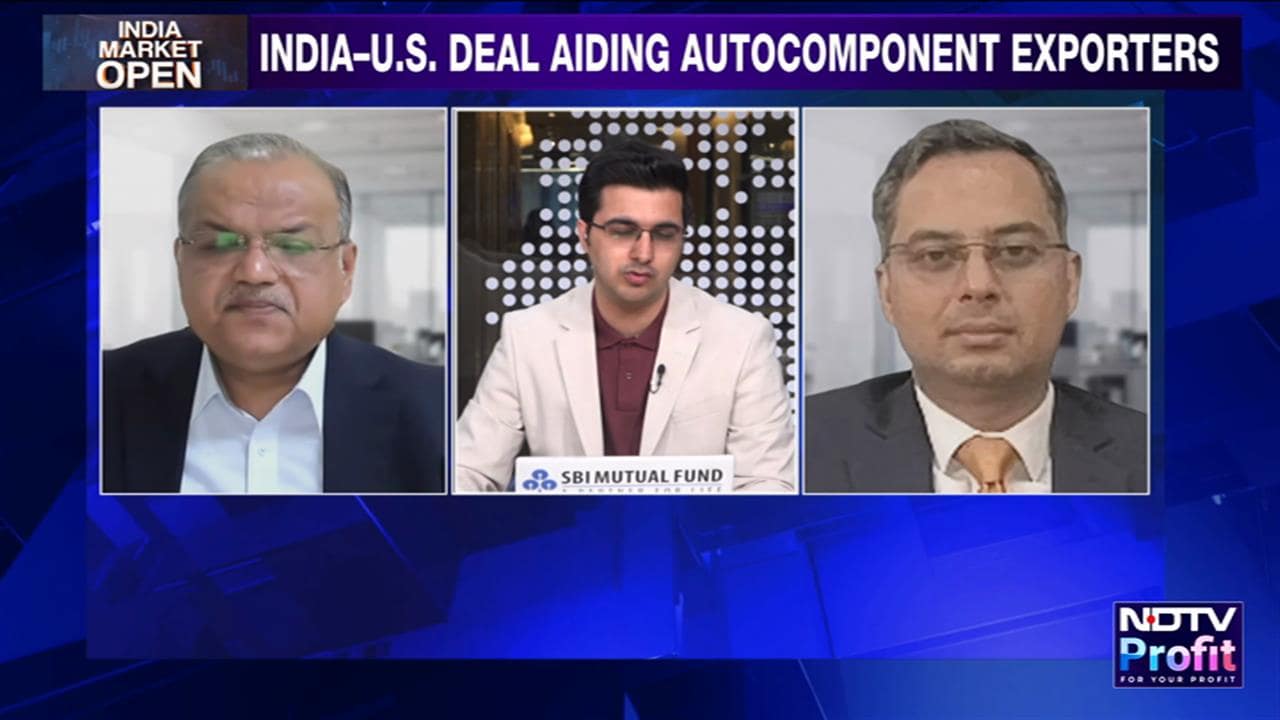
As the U.S. Federal Reserve prepares to increase rates, Indian markets need to reconcile to macroeconomic factors like the lack of quantitative easing and rising oil prices, according to Maneesh Dangi.
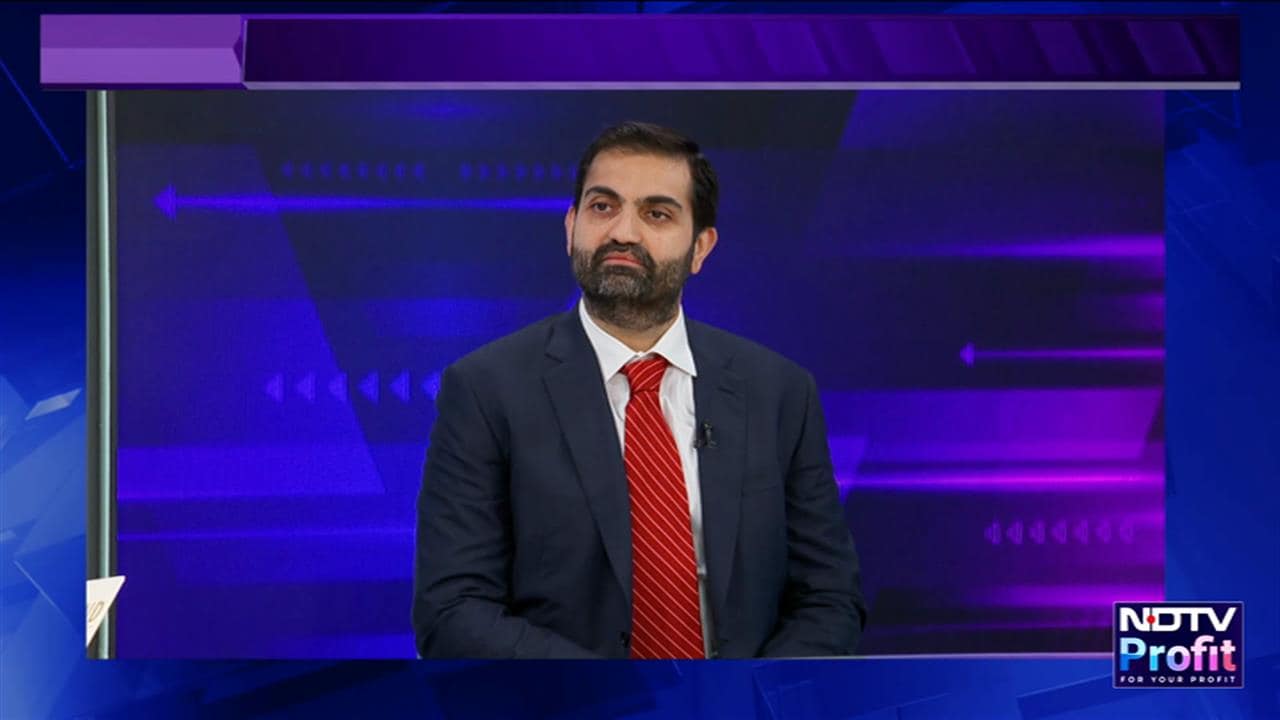
The "template" seems to have changed with central banks around the globe opting to tighten rates, aided by political will, Dangi, macro investor and former chief investment officer-debt at Aditya Birla Asset Management Co., told BloombergQuint's Niraj Shah. "Given that the global central banks have kept the rates too loose over the last 15 years, the path of least resistance may be to err on the other side."
Dangi suggests that the upcoming tightening when “the delta growth (risk sensitivity) is turning for the worse” is a sign of caution for investments in equities and bonds.
The markets need to factor that there is not going to be “a meaningful quantitative easing” for a long time, and the direct impact of it would be on the elevated risk premiums, which may have to be whittled down, said Dangi.
According to him, the U.S. Fed is “extremely academic” and will focus on financial and inflation stability over equity markets. Therefore, the Fed “would not come to the rescue of equity markets but will stick to its guns on inflation management”.
For emerging markets, Dangi considers oil prices to be a major issue. While some countries spend a sizeable amount of monthly income on oil, countries like India borrow from the world to import oil from the Middle East. Hence, “a shallow post-Covid recovery coupled with higher oil prices has the potential to prick the economic growth balloon in its nascency,” he said.
While forecasts suggest 8-9% economic growth for India in 2022, Dangi expects India to be “one of the worst affected G20 economies relative to the pre-Covid trajectory". It is likely that by FY23, India would still be 7% below the pre-Covid trajectory, he added.
Compared to this, growth in economies like the U.S. is on the pre-Covid trajectory. “India's recovery is incomplete relative to most of the West, and global tightening happening at a time when India is not fully recovered becomes a problem for sustainable growth.”
According to Dangi, India might be on a path where it disappoints both the overly optimistic and the overly pessimistic investors. While Dangi is cautious, he terms India to be “a fairly resilient economy”.
According to Dangi, positives for India include risk-adjusted capital for banks at a good level, corporate balance sheets in good shape, inflation being moderate relative to the West, no excess of indebtedness, and no property bubbles.
Watch the full conversation here:
Essential Business Intelligence, Continuous LIVE TV, Sharp Market Insights, Practical Personal Finance Advice and Latest Stories — On NDTV Profit.