India's rubber manufacturing sector is facing a sharp cost shock, with key synthetic rubber prices jumping nearly 80% from about Rs 200/kg to Rs 360-370/kg, triggering a working capital squeeze, supply shortages and margin pressure across the value chain.
The stress is now beginning to transmit downstream, raising the likelihood of price increases across tyres, auto components and consumer goods.
Speaking to NDTV Profit, Vinod Bansal, vice president of the All Indian Rubber Industries Association, said the current disruption is broader than a typical commodity cycle. "The increase is not just in synthetic rubber. Carbon, oil, chemicals, almost everything is linked to crude. This time the rise has been disproportionate because supply chains have been disrupted," Bansal said.
The surge is driven by crude-linked inputs such as styrene and butadiene. Even domestically produced rubber is exposed to global pricing. India manufactures SBR through players like Reliance Industries and Indian Oil Corp. but remains benchmarked to international markets.
Import dependence adds to the pressure. In nitrile rubber, domestic output is just 17,000-18,000 tonnes versus demand of around 60,000 tonnes, leaving over 70% reliant on imports. "It is not only about price. Availability is also an issue. Material is being rationed and traders are hesitant to stock," Bansal said.
Cost Pass-Through Begins, Inflation Pipeline Building
The sharp increase in input costs is now feeding into downstream pricing, but unevenly across the value chain. A key distinction lies between tyre manufacturers and rubber product manufacturers, which operate at different stages.
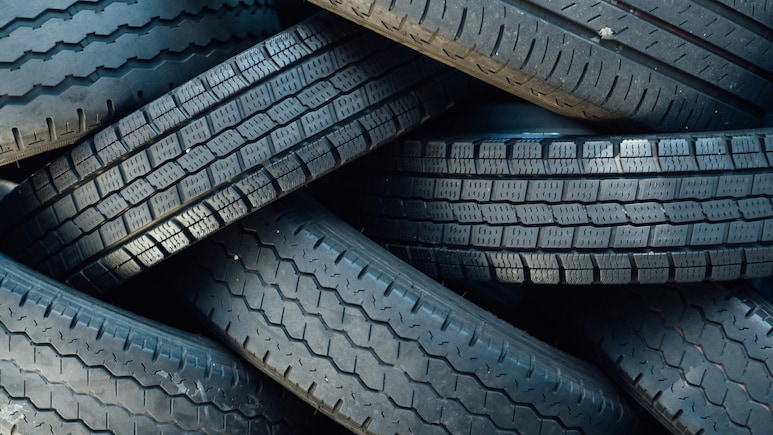
Tyre companies, which account for nearly 70% of rubber consumption, have structured pricing mechanisms, particularly in OEM contracts. These allow them to pass on rising input costs over time.
But crucially, this mechanism does not shield them from cost shocks. Tyre makers have implemented 1-4% price hikes in phases to offset rising rubber costs, and analysts expect further calibrated increases if input prices remain elevated.
At the same time, raw material costs have already risen 15-20% for tyre companies, putting pressure on margins despite price hikes. Industry estimates suggest 60-70% of tyre production costs are commodity-linked, meaning sustained input inflation will inevitably flow through to vehicle and replacement tyre prices.
For rubber manufacturers, however, the situation is far more constrained. "For many MSMEs, passing on the cost is extremely difficult, particularly in the open market. That is where the real stress is," Bansal said.
Unlike tyre companies, these firms operate in fragmented, price-sensitive markets with limited contractual protection. As a result, pass-through is partial or delayed, margins are compressed, and production is being cut selectively.
"Those supplying to OEMs will continue, but in the open market many are stopping products where they are losing money," Bansal added.
The result is a two-speed transmission of inflation: Gradual price hikes where pass-through is possible. Supply constraints where it is not. Together, this creates a broader pipeline inflation effect, moving from crude to chemicals, to rubber, to components, and eventually to consumers.
Working Capital Stress Deepens, Industry Flags Policy Gap
The cost surge has sharply increased working capital requirements, especially for MSMEs. With input costs up nearly 80%, firms need significantly more capital to sustain production, even as revenue adjustments lag. "In OEM supplies, pricing is based on a six-month average. Costs have increased immediately, but revenues adjust later. That creates a gap," Bansal said.
AIRIA has formally written to government ministries, seeking intervention. "We have written to the concerned ministries highlighting the challenges and the need for support," Bansal said.
A major concern is the uneven transmission of RBI-linked relief measures. "Some sectors have received relaxations, but the rubber industry has not benefited equally," Bansal said.
The industry is seeking:
- Higher working capital limits
- Faster restructuring mechanisms
- Temporary forbearance similar to COVID-era support
"This is an exceptional situation and needs to be treated differently," he said.
ALSO READ: Baba Kalyani Family Dispute Remains Unresolved As Bombay High Court Urges Fresh Talks
Outlook: Short-Term Easing Possible, Risks Remain
While the industry expects some easing in the next two-three weeks if geopolitical tensions cool, structural risks persist. Natural rubber prices are also rising, with demand expected to exceed supply, and 80-85% of domestic production concentrated in Kerala, raising monsoon-related risks.
"If the situation continues, natural rubber prices could also rise sharply," Bansal warned.
With 10-12 key synthetic rubber variants fully import-dependent, the sector remains exposed to global disruptions.
"Companies are managing by cutting production and conserving liquidity, but without timely support MSMEs will face serious stress," Bansal said.
ALSO READ: IPO Rules Tweaked: Companies Can Now Change Size By Up To 50% Without Fresh DRHP
Essential Business Intelligence, Sharp Market Insights, Practical Personal Finance Advice, Daily Fuel, Gold and Silver Prices and Latest Stories — On NDTV Profit.