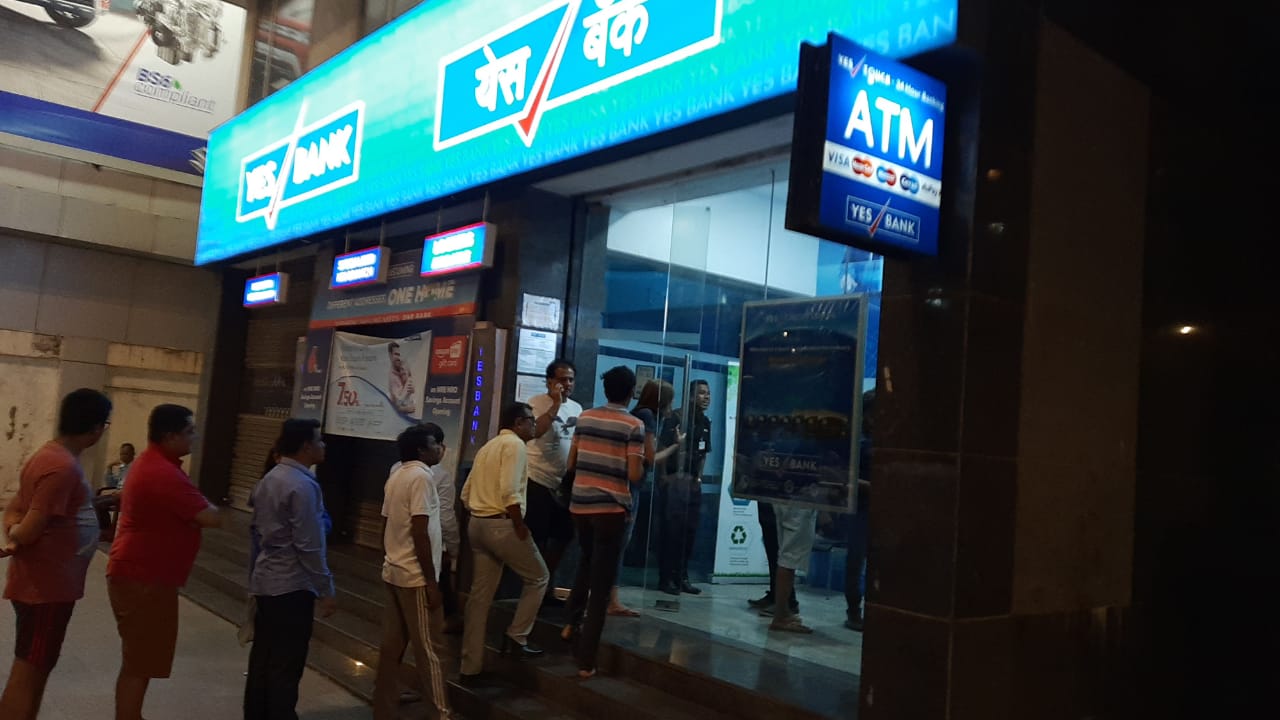
Schemes of Nippon India Mutual Fund have the highest exposure to the debt of struggling Yes Bank Ltd. placed under moratorium by the government.
The asset manager owned the bank's bonds worth Rs 1,806 crore as of Jan. 31, 2020, according to RupeeVest—an online investment and research platform for mutual funds and corporate fixed deposits.
Nippon Life Asset Management Co. Ltd. was part of Anil Ambani's Reliance Group till he sold his stake to the Japanese partner.
In all, 32 debt schemes across mutual funds had an exposure of Rs 2,848 crore towards Yes Bank, as of Jan. 31, 2020. Of these, 28 schemes have exposure to the tune of Rs 2,779 crore towards Yes Bank's perpetual bonds—a bond with no maturity date—while the remaining have exposure to the tune of Rs 68.3 crore towards the lender's bonds with maturity date.
The government on Thursday night placed Yes Bank under moratorium and capped withdrawals for a month, while the Reserve Bank of India superseded its board citing deteriorating financial position.
Also Read: Yes Bank Shares Fall 30% After RBI Takes Over Board, SBI Declines 12%
Investors with risk-off sentiment could look at exiting debt funds with credit exposure including that of Yes Bank, said Amol Joshi, founder at Plan Rupee Investment Services. He, however, said it would be immaterial if the exit happens today or tomorrow since the debt has already been marked down by the respective Asset Management Companies.
According to Vijay Mantri, co-founder and chief investment officer at JRL Money, perpetual bonds of Yes Bank in various mutual fund schemes were already marked down to Rs 73.9 as against the face value of Rs 100. “Now it will be further marked down to 47. Some AMCs like Nippon have completely written down exposure to zero. Wherever the mark down is carried to zero, investors should stay put.”
Related Coverage
- SBI Gets Board Approval To Explore Investment In Yes Bank
- What Government Curbs Mean For Yes Bank Depositors
- Mutual Funds With Exposure To Yes Bank
- What Experts Made Of Moratorium On Yes Bank
- Yes Bank's Bonfire of Insanity Was Left to Burn
Essential Business Intelligence, Continuous LIVE TV, Sharp Market Insights, Practical Personal Finance Advice and Latest Stories — On NDTV Profit.