Spot Gold Steadies Near 9-Year Higher On US-China Row, Stimulus Bets
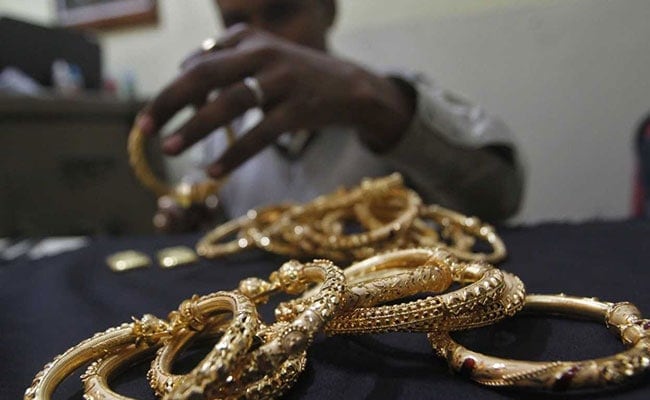
Gold steadied near a nine-year peak on Thursday as an escalation in US-China tensions bolstered its safe-haven appeal, with investors also looking for a hedge against possible inflation as more stimulus is rolled out to support pandemic-hit economies. Spot gold was up 0.1 per cent at $1,874.21 per ounce by 0646 GMT (12:16 pm in India), having declined earlier in the session on mild profit-booking after prices hit their highest since September 2011 at $1,876.16 per ounce. US gold futures rose 0.6 per cent to $1,875.50 per ounce.
"With tension between the United States and China rising, US bond yields continuing to edge lower, and a weaker dollar very much in evidence, the case for higher gold prices remains strong," said Jeffrey Halley, a senior market analyst at OANDA.
Hopes for another round of US stimulus measures also helped gold, considered a hedge against inflation and fears of currency debasement.
Hitting risk sentiment, the US gave China until Friday to close its consulate in Houston amid accusations of spying.
The resultant boost to demand for safety may help both gold and the dollar, said DailyFx strategist Margaret Yang, adding technical corrections were unlikely to change the metal's uptrend "in the mid- to long-term".
The US-China spat also lifted rival safe haven dollar off milestone lows, capping gold's upside.
Coronavirus cases continued to surge in the US, while more than 15.01 million people have been infected globally.
Elsewhere, silver retreated 1.1 per cent to $22.79 per ounce, after having rallied to a near seven-year high, helped by hopes for a revival in industrial activity.
Platinum eased 0.1 per cent to $920.40, while palladium rose 0.2% to $2,150.68.
"We see demand contracting for both palladium and platinum, flipping the platinum market balance to positive, while narrowing the palladium deficit," ANZ analysts said in a note, adding weaker auto sales would be a drag this year.

-
Ten Things I Learnt This Samvat

Patience can be a trap. Cheap stocks can stay cheap. Leverage can wipe you out. What did Samvat 2082 teach us? Niraj Shah writes on 10 lessons from the year gone by.
-
Talking Points This Week: Tech Nerves, FII Buying, And A Faraway Banking Shock
The global markets are not shining this Diwali. The exception in the large markets is, India.
-
Midterm Rally Lasted A Day. The Hard Reality Of A Divided US May Last Two Years | Opinion
Between a contested AI boom, a debt ceiling that arrives in 2027 and a president with every incentive to act alone, the next two years may prove more volatile than the first day's rally suggests.
-
Blue Wave Will Derail the AI Trade but Won't Dismantle the AI Era | Unhedged Position
The Democrats' sweep of the US Congress will see politics collide with economic forces both over the long and short term.
-
It's Time To Take The GST Council's Bet On Trust Global
Payment records can prove India's services exports, and clear, proportionate rules can bring foreign digital sellers into the tax net.
-
Opinion | India at 38: From Innovation Overperformer to Innovation Powerhouse
India now has 453 VC-backed deep science startups, 18 of them late-stage, after 117 percent growth since 2020. Laurus Labs, at USD 9.3 billion, is the most valuable deep science company in any middle-income economy outside China.
-
Navigating Energy Crossroads: S Jaishankar's Call For Diversified Supply Chains At G20 Ministerial Meeting
As geopolitical fault lines continue to test maritime trade routes and commodity flows, Jaishankar's message remains pertinent: true economic resilience requires open markets, protected transit lines, and a genuine commitment to multilateral cooperation rather than coercion.
-
Indians Are Travelling, But Not Every Journey Is A Holiday | The Week In Whys
Pilgrims, patients and working women are the real travellers, and the system hasn't quite caught up with them.
-
Getting To Work Costs Women More | The Reason Why
It is not just about women paying more than men. It is about women paying much more in cities than in villages.









