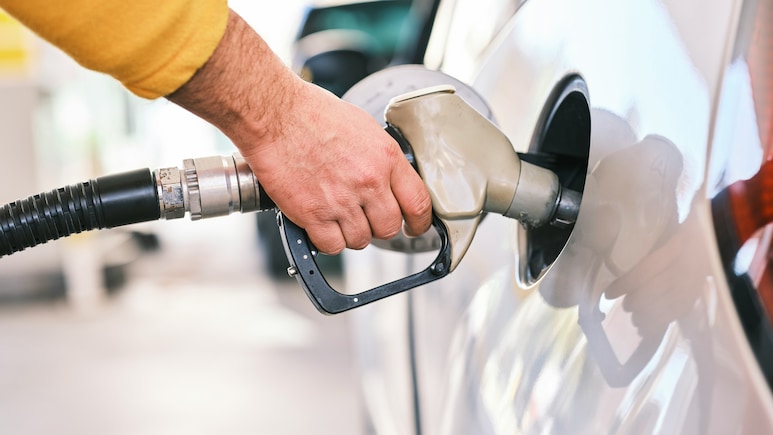
- Concerns over E20 petrol's mileage and engine impact boost premium fuel demand sharply
- Premium petrol sales rise to 12-20% at outlets, up from around 4% in March
- Higher-octane petrol still contains 20% ethanol but is perceived to improve performance
Concerns over the impact of ethanol-blended E20 petrol on mileage and engine life are driving consumers towards premium, high-octane fuels, sharply changing the mix of petrol sales at several fuel stations.
Premium petrol now accounts for 12-15% of sales at some outlets, up from around 4% in March, according to petrol pump dealers and industry executives. Some dealers, however, report the share touching as high as 20%.
The shift is notable because 95-octane petrol is also blended with 20% ethanol. Consumers are nevertheless willing to pay more for higher-octane fuel, which they perceive as offering better engine performance and reducing the mileage impact of ethanol.
Also Read | Layoffs Are Rising In Tech, But These Skills Are Helping People Unlock Better Pay
ALSO READ | India's US Crude Imports On Track For 20-Month Low As Refiners Pivot To Russian Supplies
"We are seeing a 4-5x jump in sales," said Ajay Bansal, president of the All India Petroleum Dealers Association, which represents about 92,000 fuel stations. "Both fuels contain 20% ethanol, but due to the higher-octane rating, consumers believe the impact on mileage is negligible."
Higher-octane variants such as Indian Oil Corp.'s XP95, Bharat Petroleum Corp.'s SPEED and Hindustan Petroleum Corp.'s poWer95 are priced at around Rs 109-115 a litre, compared with Rs 102 for regular petrol.
The surge has accelerated in recent weeks as concerns over E20's impact on vehicles persist, despite the government maintaining that the fuel is safe and does not have any significant adverse impact on vehicle performance.
Monty Sehgal, national spokesperson for the Federation of All India Petroleum Traders, said Octane 95 now accounts for 20% of sales at some outlets, and the increase is accompanied by a corresponding decline in regular petrol sales.
Premium does not mean ethanol-free
The rise in premium petrol demand underscores a key distinction: higher octane does not mean lower ethanol content.
The 95- and 97-octane grades sold by state-run oil marketing companies can contain E20, meaning motorists switching from regular petrol to these grades are generally not eliminating ethanol from their tanks. The higher octane rating primarily improves resistance to engine knocking and can benefit vehicles designed to use higher-octane fuel.
For motorists specifically seeking ethanol-free petrol, the choice is limited to 100-octane grades such as Indian Oil's XP100, BPCL's Speed100 and HPCL's poWer100. These fuels are significantly more expensive and have limited availability.
Enquiries for Octane 100 have also risen, although actual sales remain small. Retailers estimate the grade accounts for around 1% of overall petrol sales, with prices in the Rs 160-170-a-litre range or higher, depending on the product and outlet.
"We have seen instances where people have come up with innovative ideas and fill half the tank with Octane 95 or regular fuel, and the other half with Octane 100," Sehgal said.
ALSO READ | Festive Rush Or Global Shortfall? ISMA Explains What's Behind Record Sugar Crunch
Dealers said social media claims about vehicle damage linked to ethanol blending have further fuelled the shift, with Delhi seeing particularly strong demand.
Oil marketing companies are also sensing the change in consumer behaviour.
"There has been an increase in premium petrol demand in the last few months, but that has not led to a massive jump in overall petrol sales," an OMC executive said. Wider availability of premium fuel at retail outlets has also helped drive demand.
Queries sent to the Ministry of Petroleum and Natural Gas, IOC, BPCL and HPCL remained unanswered at the time of publication.
Government stands by E20
The rise in premium petrol demand comes even as the government has defended the E20 programme. It has acknowledged that E20 can reduce vehicle mileage by around 3-5% compared with conventional petrol, while arguing that the blend offers better anti-knock performance, faster combustion, improved pickup, smoother acceleration and cleaner engine operation.
The government has also ruled out selling pure petrol or E10 alongside E20, citing the substantial investments made in ethanol production and related infrastructure.
That policy stance has left consumers with limited choices. As concerns over compatibility, mileage and long-term vehicle health persist, some motorists are choosing to pay a premium-even when the fuel they are buying still contains 20% ethanol.
The result is a curious shift in the petrol market: consumers are paying more not necessarily to escape E20, but for the perceived benefits and reassurance that come with higher-octane fuel.
Essential Business Intelligence, Sharp Market Insights, Practical Personal Finance Advice, Daily Fuel, Gold and Silver Prices and Latest Stories — On NDTV Profit.