- Brian Niccol's strategy has revived Starbucks' customer base and boosted sales growth since 2024
- Investments in staff and store upgrades have pressured operating margins, dropping them significantly
- Starbucks plans cost-cutting and restructuring through fiscal 2027 to sustain profit growth
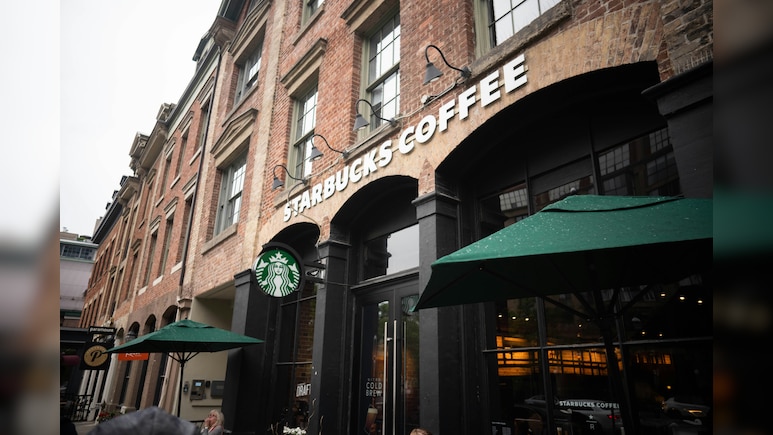
Brian Niccol's "Back to Starbucks" strategy has helped bring customers back and boost comparable sales, but the investments made during the turnaround have put pressure on the company's operating margins.
Investors are now looking for sustainable profit growth as Niccol enters a phase focused on cost-cutting and restructuring through fiscal 2027.
The first two years of Niccol's leadership at Starbucks have been a qualified success, with his focus on marketing and store improvements helping attract customers back to the world's largest coffee chain, according to a Reuters report.
Also Read | Layoffs Are Rising In Tech, But These Skills Are Helping People Unlock Better Pay
When Niccol took over in September 2024, Starbucks had reported three consecutive quarters of declining comparable sales. Customers had complained about long wait times, ineffective promotions and an overly complicated menu.
After three more quarters of declines, comparable sales began to improve, rising 7.9% in the fiscal third quarter ended June 28. It marked the fourth consecutive quarter of improvement.
Niccol has prioritised customer satisfaction over short-term profits. As part of that strategy, Starbucks has invested hundreds of millions of dollars in hiring more employees to reduce wait times and upgrading stores to restore the coffee-shop atmosphere that had helped drive the company's global success.
The approach is reminiscent of Niccol's strategy during his tenure as CEO of Chipotle Mexican Grill. There, he strengthened the brand by acknowledging its problems and driving sales growth after the chain's food-safety crisis.
Starbucks has also placed greater emphasis on marketing under Niccol's leadership, including recent product placement in the film "The Devil Wears Prada 2".
Starbucks shares surged 24% on the day Niccol's hiring was announced. Since then, the stock has gained 30%, trailing the nearly 40% rise in the broader S&P 500 index but outperforming declines at competitors such as McDonald's and Chipotle over the same period.
"You can look at all sorts of stock metrics, but if the customer's not happy, it's not relevant," said Longbow Asset Management CEO and Starbucks investor Jake Dollarhide. Dollarhide had expressed scepticism about the turnaround as recently as six months ago but has since been persuaded by improvements in service times.
However, the turnaround has come at a cost. Starbucks invested at least $500 million in labour as part of the restructuring, contributing to a decline in operating margins following Niccol's takeover.
According to LSEG data, Starbucks' operating margin was 12.9% in the fiscal third quarter, compared with 15.8% in the same period two years earlier. The decline was steeper in North America, its largest market, where the operating margin fell from 21% to 13.6% over the same period.
"We'll have to see if those investments pay off," said Brian Jacobsen, senior economic strategist at Annex Wealth Management.
A Starbucks representative said the company's investments in its workforce were "supporting sustained business momentum."
Starbucks has cut jobs at its corporate headquarters and closed hundreds of stores, including its Seattle Roastery. The company also ceded control of its China operations this year as it seeks to revive growth in a market where lower-cost competitors such as Luckin Coffee have gained market share.
According to Jim Sanderson, an analyst at Northcoast Research, Starbucks is "well positioned to convert stronger organic sales growth to profit growth" following Niccol's corporate restructuring, including the China deal.
However, significant challenges remain. The U.S. barista union, which called for a boycott in August, has yet to reach a first labour agreement with Starbucks.
Wall Street has remained supportive despite the company's labour relations challenges and its decision to drop an AI inventory-management system designed to address ongoing product availability issues.
"I'm impressed with how he takes full responsibility for his mistakes and is not afraid to pivot," Dollarhide said.
Essential Business Intelligence, Sharp Market Insights, Practical Personal Finance Advice, Daily Fuel, Gold and Silver Prices and Latest Stories — On NDTV Profit.