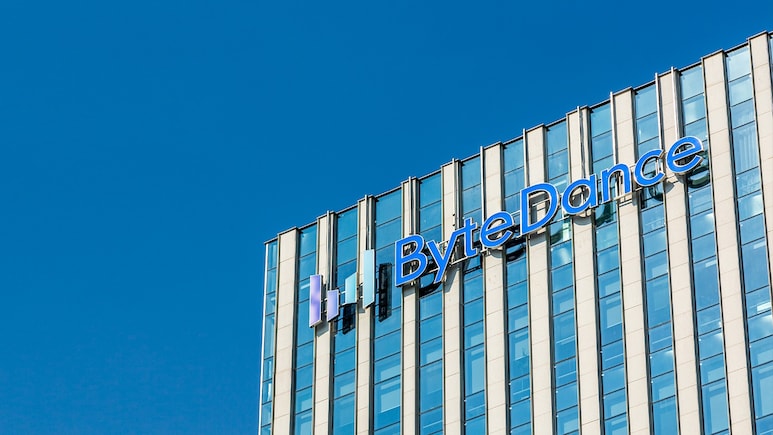
ByteDance has said it will tighten protections around its AI video tool Seedance 2.0 after receiving legal notices from some of the biggest names in the global entertainment industry over alleged misuse of copyrighted material and digital likenesses.
The Chinese technology company, which owns TikTok, told the BBC it is working on additional measures to stop users from generating unauthorised content. The company said it “respects intellectual property rights” and is reviewing the way the platform currently handles copyrighted characters and real-world identities.
The assurances follow a cease-and-desist letter from Disney, which accused the firm of allowing its system to produce videos featuring characters from major franchises such as Marvel and Star Wars. The studio alleged that the tool was effectively using protected content without permission.
Also Read | Layoffs Are Rising In Tech, But These Skills Are Helping People Unlock Better Pay
Soon after, Paramount issued a similar notice, raising objections over AI-generated clips that appeared to feature properties including Star Trek, SpongeBob SquarePants, South Park and Teenage Mutant Ninja Turtles.
The Motion Picture Association, which represents several major studios and streaming platforms, also criticised the service and called for an immediate halt to what it described as large-scale copyright infringement.
Performers' union SAG-AFTRA said the technology had been used to replicate actors' voices and faces without consent, warning that such practices could affect livelihoods. The Human Artistry Campaign, a coalition of creative organisations, described the issue as a direct threat to creators.
Seedance 2.0 was launched on Feb. 12 and allows users to generate short 15-second videos using text prompts. The tool quickly gained attention for the realism of its output, with several viral clips circulating online.
Among them was a widely shared video showing AI-generated versions of Tom Cruise and Brad Pitt in an action sequence, as well as footage featuring characters resembling those from Star Wars and superhero films.
The controversy has extended outside the United States. Japanese authorities have started examining whether AI-generated videos of popular anime characters produced with the tool breach copyright laws.
ByteDance has not disclosed what data was used to train the model. The company had earlier suspended a feature that allowed users to upload images of real people.
The dispute highlights growing tension between AI developers and the film and television industry over how new generative tools should use existing creative works.
Essential Business Intelligence, Sharp Market Insights, Practical Personal Finance Advice, Daily Fuel, Gold and Silver Prices and Latest Stories — On NDTV Profit.