(Bloomberg Businessweek) -- When agricultural exports through the Black Sea plummeted following Russia's invasion of Ukraine, big food companies suddenly found themselves scrambling to find alternative sources of grains and oilseeds. But processed foods these days are complex mélanges of stabilizers, additives, preservatives, sweeteners, salt and flavorings in addition to basic ingredients. So a shift in one component—even changing the provenance of the sunflower oil—can require tweaking the entire recipe to maintain the precise taste and texture consumers expect.
For Bunge Ltd., a 205-year-old agricultural trading house, that presented an opportunity. In the past five years, the company has quintupled spending on research aimed at helping fast-food chains and packaged-goods purveyors such as Unilever Plc and Lotte Corp. develop new recipes and quickly adapt old ones if they need to pivot to a different source or change ingredients.
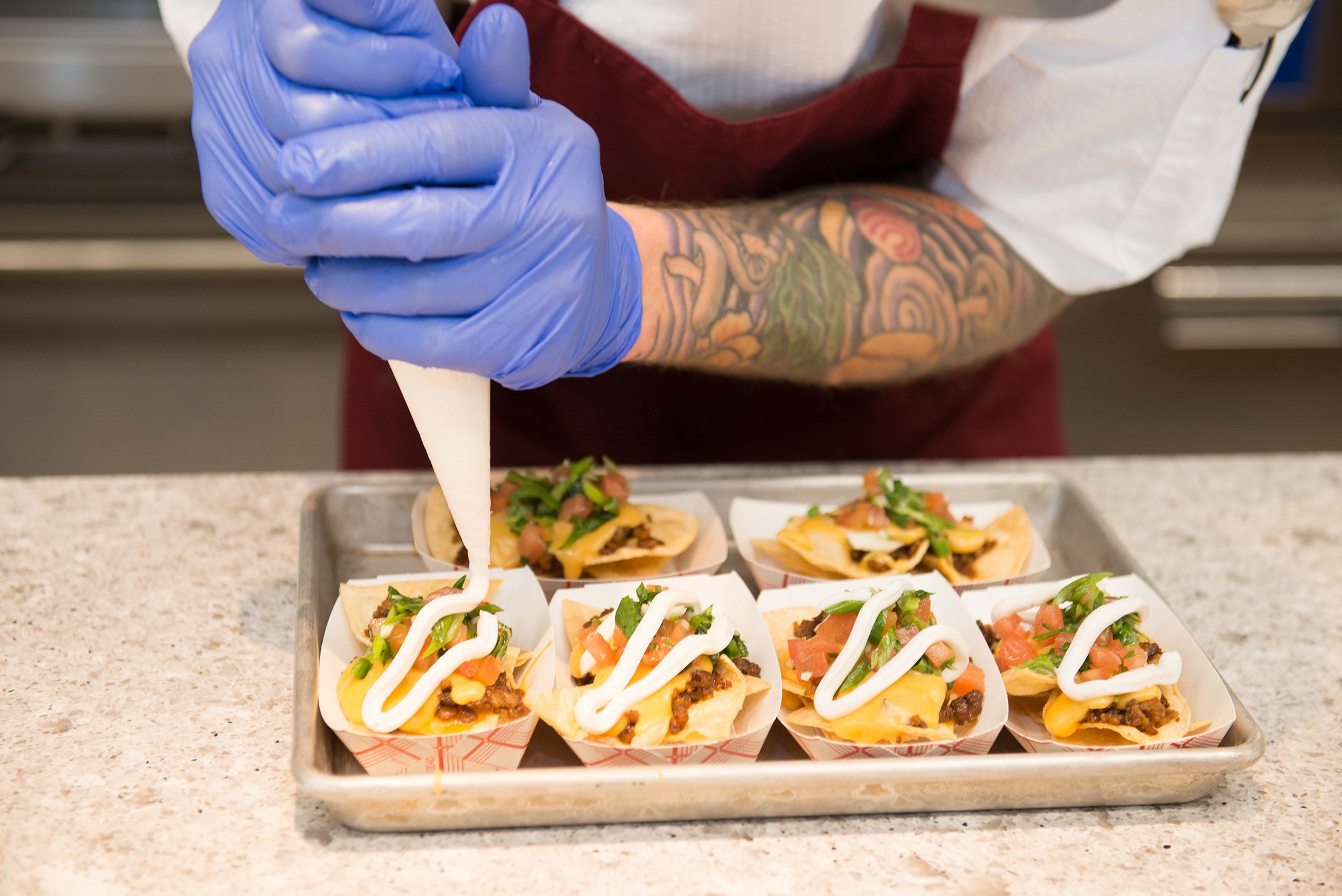
Today, Bunge (BUN-ghee) has 15 “innovation centers” in nine countries, with more than 200 food scientists working on such initiatives. “We had a big customer base reliant upon those commodities that we had planned to bring in from the Black Sea,” Aaron Buettner, Bunge's president of food solutions, says while sampling the company's vegan meatballs and nachos at its headquarters in St. Louis. “Our European team was working on conversions and tests seven days a week.”
It was the near-halt in exports of sunflower oil from Ukraine and Russia that did the most damage, because the oil's high smoke point and neutral taste and color are hard to replicate. Although Buettner wouldn't disclose details, he says Bunge was able to shift some customers to sunflower oil sourced from western Europe or Argentina. And Bunge's food scientists helped others—producers of breads, salad dressings, chips, cookies and more—replace sunflower with canola or palm oil. “We had to organize a response customer by customer,” Buettner says.
Bunge operates the world's largest network of crushing facilities, processing crops such as soybeans, canola and sunflower seeds for oil and animal feed. But it was its network of testing and research centers, which complement its more traditional trading assets such as port terminals and grain elevators, that helped the company weather the disruptions from the war—and win 150 new customers seeking alternatives to sunflower oil. Although Bunge has lagged behind some rivals in developing new food technologies, “it's now clear that the company is on point to catch up,” says food industry consultant Henk Hoogenkamp.
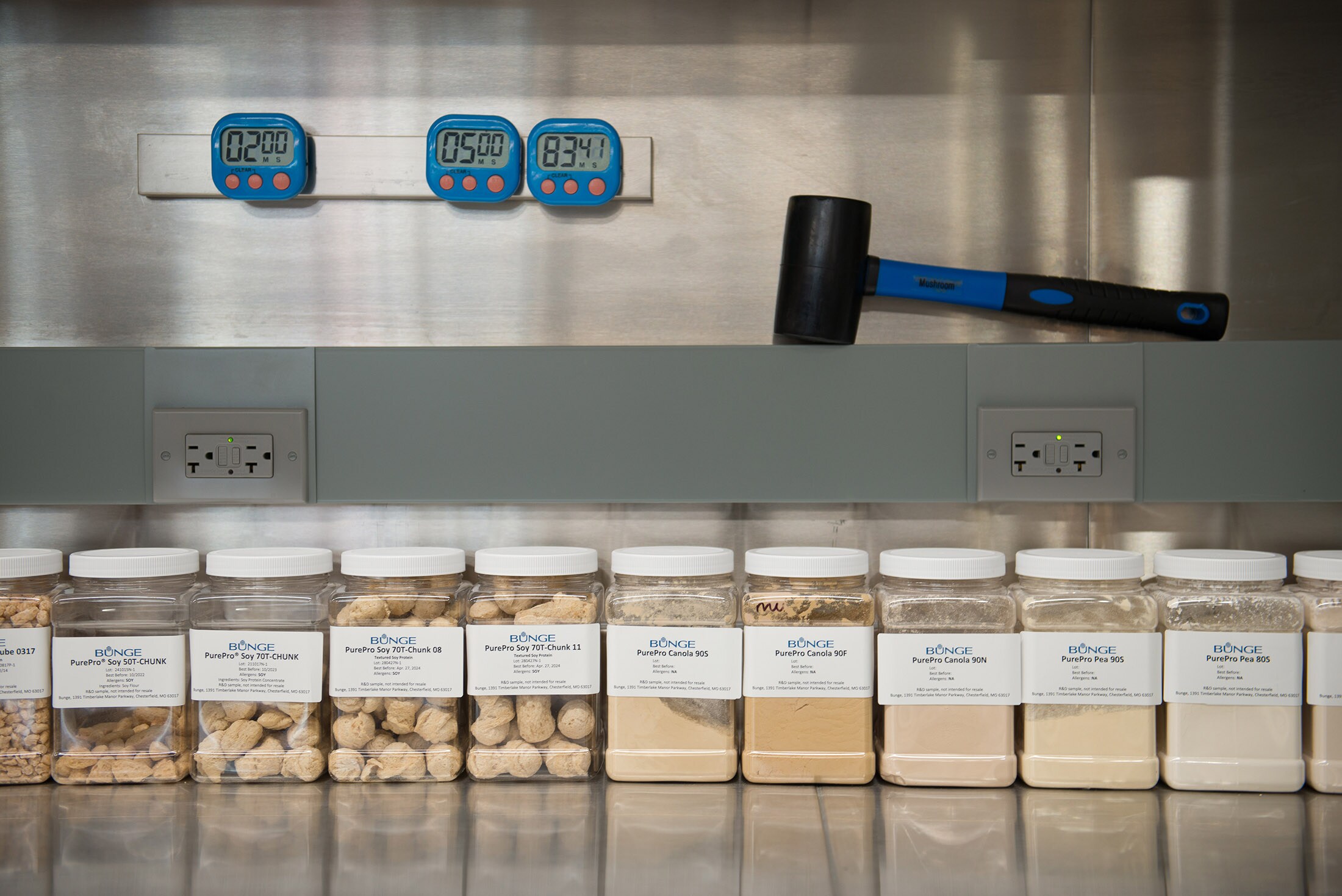
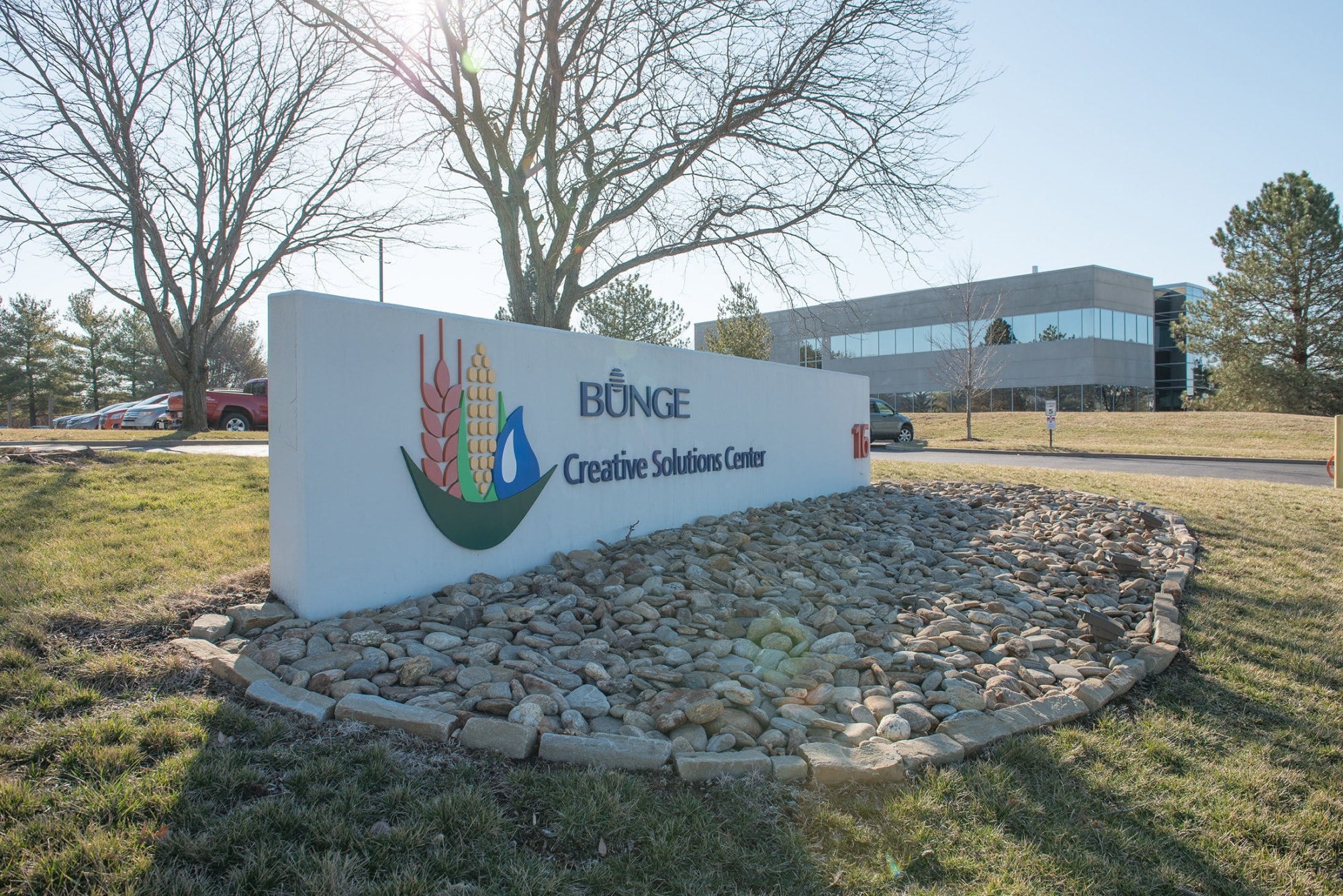
In 2017, Bunge opened a 40,000-square-foot innovation center near St. Louis with milling equipment, ovens, stovetops and fryers that mimic the facilities of fast-food chains. There's a gourmet kitchen where chefs prepare offerings such as cakes, ice cream and plant-based sausage made with ingredients Bunge has developed to mimic the texture and flavor of butter and other animal fats. And in a suite of about a dozen cubicles, morsels of new concoctions are passed through small hatches to tasting specialists while the lights shift through a palette of greens, blues, reds and yellows to reduce any bias that appearance might have on the perception of flavor.
For most of its existence, Bunge was primarily a grain merchant, competing with the likes of Archer-Daniels-Midland, Cargill and Louis Dreyfus. The company was founded in 1818 by Amsterdam importer Johann Bunge, and seven decades later it allied with another family to start trading grains. It expanded to Latin America in 1884 and the US in 1923. The company has since repeatedly shifted its headquarters—to Argentina, Brazil, New York and, three years ago, St. Louis.
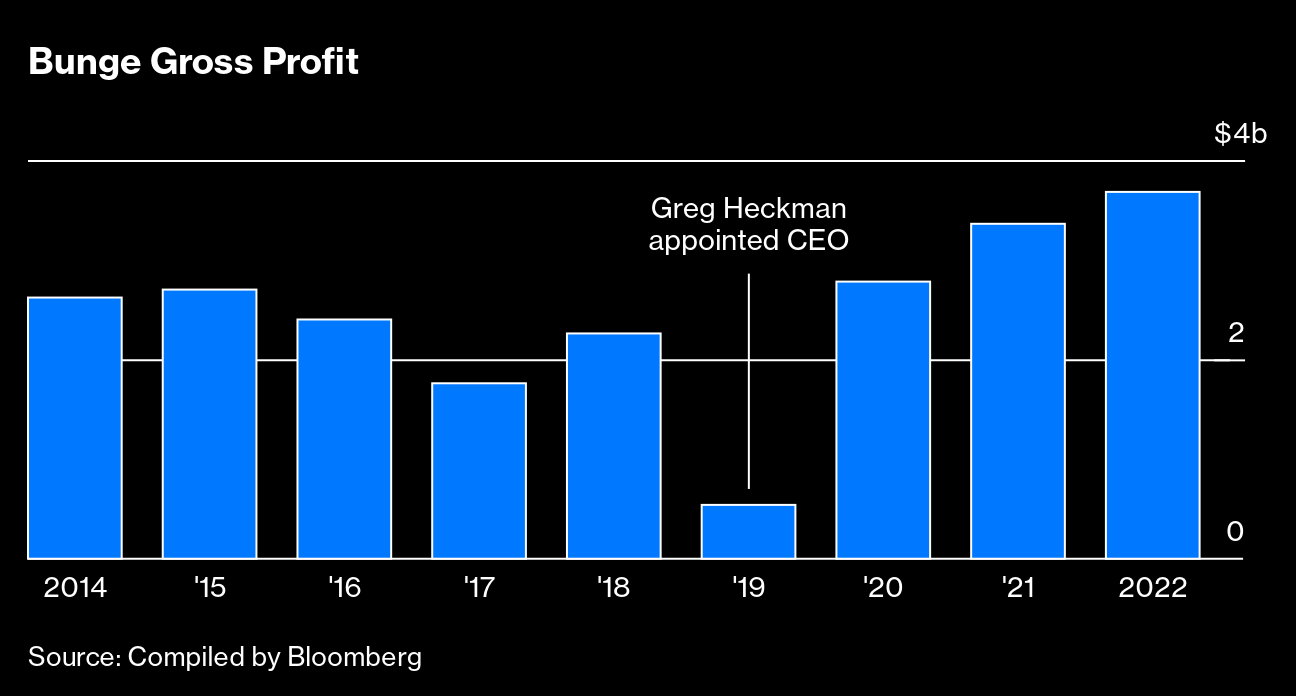
But trading is a tough business with thin margins and high risks. In 2018 a bet on soybeans that went bad because of the US trade war with China led to a surprise quarterly loss, fueling a 20% drop in Bunge's stock and a push by activist investors at D.E. Shaw & Co. and Continental Grain Co. to force change. The board soon ousted Chief Executive Officer Soren Schroder and replaced him with Greg Heckman, who has cut costs, sold underperforming businesses, focused on risk management and kick-started growth. “This team came in with a pretty clear vision of wanting to shed noncore or unproductive assets,” says Stephens Inc. analyst Ben Bienvenu.
Bunge's sales of renewable diesel, which it makes from cooking oils in partnership with Chevron Corp., have surged, helping push revenue of its refined and specialty oils business from $9.1 billion in 2019 to $16.8 billion last year. With rising profits, Bunge's stock price has almost doubled under Heckman, and in March its shares were added to the S&P 500. The CEO is now sitting on a pile of cash he says he'll use for acquisitions that “fill in any weaknesses that we have and continue to build on our strengths.” And he says he aims to expand into sustainable aviation fuel, a market that could approach $15 billion annually by 2030, according to researcher Brainy Insights, though the technology is far from mature. “It's too big to be ignored,” Heckman says.

Although demand for ersatz meat is starting to slow, its popularity has been a boon for Bunge, helped by its 2018 acquisition of 70% of vegetable oil producer Loders Croklaan for $946 million. The company, which has invested heavily in alternative proteins and plant-based replacements for animal fats, dramatically boosted Bunge's capabilities in those areas and lifted its ability to help customers reformulate recipes in response to the shifting availability of ingredients.
With Russia's war in Ukraine dragging on, global supplies of cooking oils remain tight, and Bunge aims to continue helping buyers find the sources they need. Although the rate of growth will likely slow from the past few years, food-solutions boss Buettner says the business will continue to expand faster than the overall industry. “Obviously this connects to our core value chain in terms of our presence in oilseeds,” he says. “There are a lot of interesting product-development problems to solve.”
More stories like this are available on bloomberg.com
©2023 Bloomberg L.P.
Essential Business Intelligence, Sharp Market Insights, Practical Personal Finance Advice, Daily Fuel, Gold and Silver Prices and Latest Stories — On NDTV Profit.