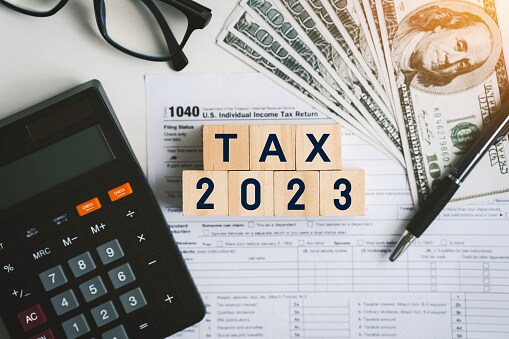
Finance Minister Nirmala Sitharaman announced a reduction in personal tax rates for high net-worth individuals. But, in contrast has plugged in certain tax avoidance options.
By reducing the highest surcharge rate from 37% to 25% in the new tax regime, the highest tax rate for all individuals with an income of Rs 5 crore or more-HNIs-has been reduced from current 42.74% levels to 39%.
Thus, for an individual earning an income of Rs 10 crore, the tax outgo would now be Rs 3.9 crore instead of Rs 4.27 crore earlier, resulting in a tax saving of Rs 37 lakh.
Also Read | Layoffs Are Rising In Tech, But These Skills Are Helping People Unlock Better Pay
However, the government on the flip side, has plugged in the tax avoidance options available with the HNIs in this Union Budget.
Market-linked debentures
High-value insurance policies
were the two devices predominantly used by those in the highest tax bracket. These are now being rationalised.
In case of market-linked debentures, the taxation changes announced today eliminate the tax arbitrage enjoyed by uber-rich investors holding them. The income from sale of such debentures will now be taxed under short-term capital gains as opposed to lower long-term capital gain taxes.
For high-value insurance policies or a cumulative policy premium outgo exceeding Rs 5 lakh, the government has proposed to tax the payout on such policies except in case of death of the policyholder.
So, on an overall basis, there may not be a net reduction in the tax outgo of HNIs, it may just be a reduction from a high marginal rate inducing certain avoidance devices with now fewer opportunities to avoid.
Essential Business Intelligence, Sharp Market Insights, Practical Personal Finance Advice, Daily Fuel, Gold and Silver Prices and Latest Stories — On NDTV Profit.