Amid Cryptocurrency Surge, Frontrunning Continues To Be Major Menace
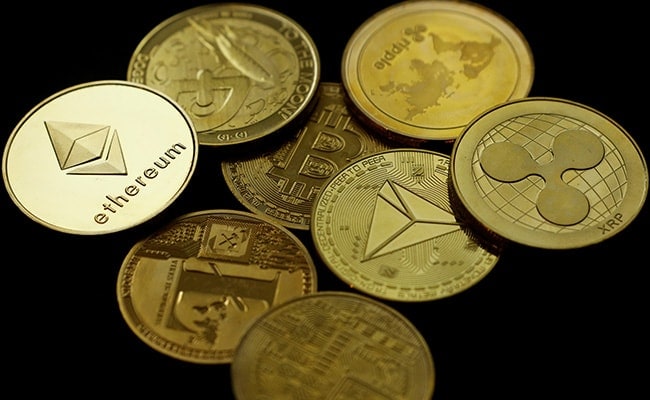
The global cryptocurrency juggernaut rolls on - attracting millions in India too. A Chainalysis recent report pegged India at the second place in cryptocurrency adoption. But while India is seeing a spurt in cryptocurrency trading and usage, the threat of frontrunning cannot be discounted. Frontrunning, simply put, is trading of cryptocurrencies based on publicly unavailable information about a future transaction. While the statement may sound innocuous, frontrunning has caused a loss of $280 million to unsuspecting traders each month worldwide, reports Cybernews.
"I like to compare front running to insider trading in financial markets. In frontrunning, traders make use of non-public information like pending transactions to maximise profits before a transaction can be confirmed," explains Aliasgar Merchant, Developer Relations Engineer, Tendermint.
Raj Kapoor, a global blockchain expert based out of Mumbai, lists down several factors that contribute to frontrunning: "Information asymmetry, where common traders have no inside information but miners have prior information about future transactions, play a major role in frontrunning. There is always some time delay in completing a transaction in blockchain. Miners sometimes exploit the time lag to book a transaction and earn undue profits".
In a Medium blog, Mr Merchant notes how block producers (called leaders) wait for information on exchanges in the mempool and try to broadcast their own exchanges before traders. Mempool is a place which keeps the data on all the unconfirmed crypto transactions. He also notes two possible frontrunning attackers. Miners, Mr Merchant writes, are in the best position to attack since they are the ones who build the blocks in transactions, while "full nodes" - users monitoring transactions - can front-run pending transactions by quoting a higher gas fee.
For the uninitiated, gas fee is the charge paid to successfully conduct a blockchain transaction. Higher the gas fee, higher the chances of a successful transaction.
Mr Kapoor, the Founder of India Blockchain Alliance, also blames seemingly inconsequential, but factual factors such as network issues and personal prejudices for the rampant frontrunning in the cryptocurrency space. "Someone with a better network can break the queue and place his order ahead of everyone. Sometimes, miners with personal prejudices can also block the transactions too," he shares.
Apart from the obvious monetary loss, frontrunning can also break the trust of many existing and potential investors. To fight frontrunning, several blockchain platforms have devised methods to mitigate it.
Recently, blockchain platform Telos announced the launch of EVM Mainnet, which aims to not only mitigate frontrunning but also high gas fee and slow transaction speeds. Noting that frontrunning has been turning depressing and complex, Douglas Horn, Telos chief architect, says, "Telos EVM is faster, better and cheaper. The simplicity of integrating with Metamask (a cryptocurrency wallet) allows investors to trade safely."
"Telos is making use of hierarchy to execute transactions. This means they give execution of orders a priority on the basis of when they arrive. It's a good approach and can prevent frontrunning to an extent," opines Mr Merchant. Mr Kapoor prefers a more wait-and-watch approach for a viable solution. "There are a few, but not really tested. Telos EVM seems like a good idea, but we need to see how it pans out in real scenarios."
While Telos, according to Mr Merchant, uses the "hierarchy" to execute orders, there are other reported ways to fight frontrunning. Gas fees limiting, where the gas fee is limited to be less than or equal to the maximum gas fee defined by the owner of smart contract, and off-chain ordering where the ordering is done on a traditional system and settlement is done on blockchain.
Given that decentralisation is considered the biggest USP of blockchain, can a regulatory body such as SEBI or SEC be the ultimate solution against frontrunning? Mr Kapoor believes that the establishment of a regulatory authority will be the end of the crypto sector. It will defeat the concept of decentralisation. "The solution will come from within the blockchain community. It is all within the family," he adds.

-
We May Need Another Tukaram Mundhe To Fight Air Pollution | The Reason Why

Developers may install basic measures such as sprinklers and green nets, resume work, and continue violating rules when this equipment stops working.
-
Extracting Value From Battery Scrap Could Be Challenging For India | The Reason Why
A discarded lithium-ion battery still contains valuable materials such as lithium, nickel and cobalt. These can be recovered and reused. When such batteries are crushed and shredded, they produce a dark powder called black mass.
-
One El Nino, India Can Handle. Two Could Break The Granary
India's grain stocks can absorb one bad year, but a second El Nino could drain the buffer in two to three years, economists say.
-
India's Troika Of Good Luck | Joining The Dots
As Jensen Huang's exit drags Nvidia down, a cooling AI trade and resilient earnings have revived investor interest in India. A likely RBI rate hike looms.
-
Talking Points This Week: Leadership Shock At Nvidia, Earnings Strength, And The Fog Over Hormuz
The Anthropic IPO pricing and first trading day, Nvidia's upcoming earnings, and any fresh signals from Iran will set the tone for the following week.
-
Signature Play: The Classic Cocktail Is Dead. Or Is It?
Classic cocktails are disappearing from India's cocktail menus. But they're still being ordered, taught to bartenders and borrowed from. So, who's really having the last drink?
-
A New Samvat Wishlist: Inclusive Prosperity And Human Development
India has strengthened its economic foundations through infrastructure, digital access and enterprise. Its next growth chapter must deepen productivity, create better livelihoods and widen participation in prosperity.
-
Love, Sex Aur Dhokha: The Audacious Plot To Spy On Jensen Huang
A Taipei dinner, a Singapore chip buyer and a suspected Chinese asset: inside the alleged spy operation that got close to NVIDIA's Jensen Huang.
-
Ten Things I Learnt This Samvat
Patience can be a trap. Cheap stocks can stay cheap. Leverage can wipe you out. What did Samvat 2082 teach us? Niraj Shah writes on 10 lessons from the year gone by.
-
Talking Points This Week: Tech Nerves, FII Buying, And A Faraway Banking Shock
The global markets are not shining this Diwali. The exception in the large markets is, India.









