India allowed private companies to commercially mine coal but that's unlikely to threaten the dominance of Coal India Ltd. If anything, the world's biggest miner of the fossil fuel could become even bigger.
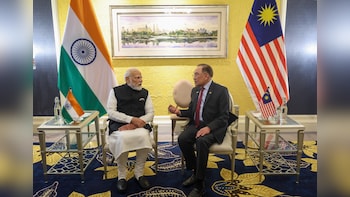
Prime Minister Narendra Modi kicked off the auction for 41 mines with a potential production capacity of 15% of India's output. It allows winning private bidders to extract coal without end-use restrictions. Earlier, metals to cement producers could mine the fuel for captive use.
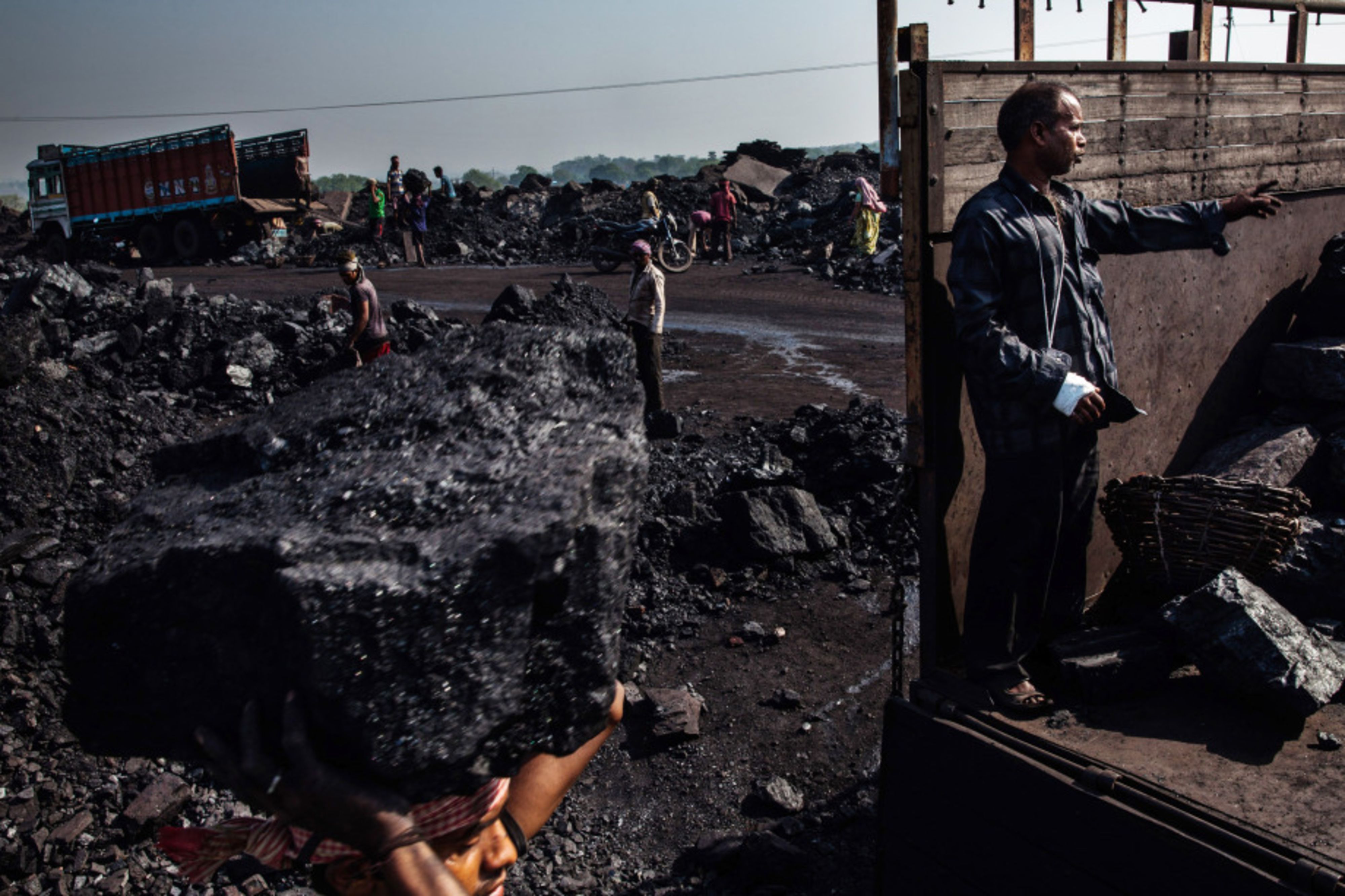
The move will end Coal India's monopoly in commercial mining. Yet shares of the state-controlled miner have surged as both analysts and the company don't see the auction impacting the company. That's because Coal India, supplier of more than 80% of the fuel to India's power plants, has been falling short of targets. The nation imports to meet the shortfall even as demand, according to the Coal Ministry, is expected to grow at 5%. The auction is aimed at curbing inbound shipments.
The Auctions
The process is underway and interested private companies have till Aug. 18 to submit bids.
The highest number of mines on the block are located in Madhya Pradesh. But nine mines in Odisha contribute the highest 8% of the output on the block, followed by Chhattisgarh at 4%.
Increase in output, ICICI Securities said in a note, means that while Coal India will remain India's biggest supplier, it can possibly become an exporter as well in the foreseeable future.
State-Run Miner Offers Cheaper Coal
The government's share in the revenue of new mines being auctioned will be ad valorem, not fixed. The calculation will be based on the National Coal Index. The floor price for a mine will be 4% of the revenue share. And bids will be allowed in the multiples of 0.5% till the share reaches 10% of the total revenue, and then in multiples of 0.25%.
The key factor to track will be the bid price in the auction and the capex that needs to be incurred by the bidders, Macquarie said in a note.
The brokerage said Coal India's notified prices are about 40% lower than the National Coal Index and e-auction realisations are lower than imported coal. “Hence, we do not see downside risk to Coal India's realisation.”
Of the analysts tracked by Bloomberg, 25 recommend ‘Buy' for Coal India, while two suggest ‘Hold'. None recommends a ‘Sell'. The average of 12-month targets implies an upside potential of more than 40%.
States Oppose Auctions
The government's plan to auction mines is already facing opposition from states.
While Jharkhand moved the Supreme Court, Chhattisgarh and Maharashtra wrote to the union environment minister, opposing the auction to protect their forests, tiger reserve and a proposed elephant reserve, according to a report by rural media platform Goan Connection.
Aaditya Thackeray, environment minister for Maharashtra, tweeted that he has written to Prakash Javadekar, union minister for environment, forest and climate change, opposing the proposed auction of a mine site near Tadoba-Andhari Tiger Reserve.
I have written to the Union Minister for @moefcc Prakash Javadekar ji on the issue of the proposed auction of a mine site near Tadoba- Andhari Tiger Reserve, opposing the auction. We cannot have such destruction of our wildlife corridors. (1/n)
June 22, 2020Essential Business Intelligence, Continuous LIVE TV, Sharp Market Insights, Practical Personal Finance Advice and Latest Stories — On NDTV Profit.