- US labor productivity rose 4.9% annualized in Q3, the fastest in two years
- Unit labor costs fell 1.9%, marking the first back-to-back decline since 2019
- Job market softened despite strong economic growth and rising productivity
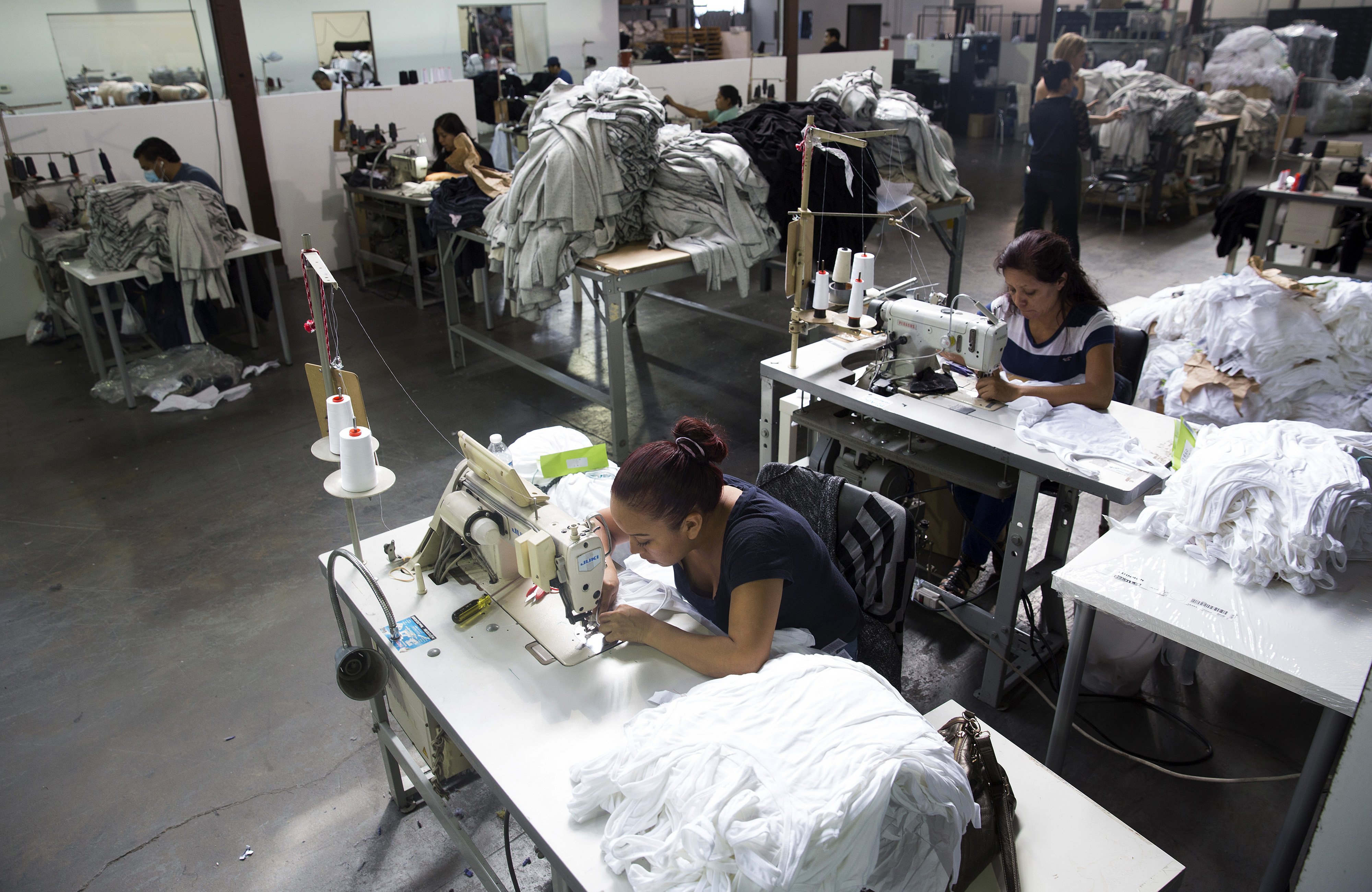
US labor productivity accelerated in the third quarter to the strongest pace in two years, adding to evidence that efficiency gains are suppressing inflationary pressures from wages.
Productivity, or nonfarm employee output per hour, soared at a 4.9% annualized rate after an upwardly revised 4.1% advance in the second quarter, data from the Bureau of Labor Statistics showed Thursday.
US economic growth powered ahead in the third quarter at the fastest pace in two years, despite a slowing labor market. Unit labor costs — what businesses pay employees to produce one unit of output — dropped 1.9%, following a decrease in the prior quarter. That marked the first back-to-back declines since 2019.
The drop in employment costs illustrates a bifurcation in the economy, whereby the labor market has softened despite solid economic growth.
Separate data out Thursday showed initial applications for unemployment insurance rose 8,000 to 208,000 in the week ended Jan. 3, which included New Year's Day. Continuing claims, a proxy for the number of people receiving benefits, increased to 1.91 million in the previous week.
The figures have been volatile in recent weeks, as is typical this time of year.
Productivity Outlook
In addition to helping contain labor costs, the resurgence in productivity in mid-2025 suggests companies are attempting to mitigate the impact of higher duties on imported goods. It also highlights how companies can use technology to get by with lean staffing.
The latest figures may foreshadow future productivity gains, with the flood of investment in artificial intelligence and various incentives for capital spending in President Donald Trump's One Big Beautiful Bill Act.
Federal Reserve officials can take comfort in continued efficiency gains because they limit wage-driven inflationary pressures. Labor costs are the biggest expense for many businesses, so companies turn to new technology and equipment to improve worker efficiency.
With the job market having shifted into a lower gear, economists largely anticipate wage gains to cool. But separate data out this week suggests the job market may have gained some momentum at year-end. Hiring at US companies rose 41,000 in December after declining in the prior month, according to ADP Research. And a gauge of hiring in the services sector expanded last month at the fastest rate since February.
Figures from Challenger, Gray & Christmas showed announced job cuts were the lowest since July 2024. Hiring intentions, meanwhile, were the highest for any December since 2022. The government's monthly jobs report is due Friday.
Trump Withdraws US From UN Bodies And Over 60 'Anti-American' Global InstitutionsEssential Business Intelligence, Sharp Market Insights, Practical Personal Finance Advice, Daily Fuel, Gold and Silver Prices and Latest Stories — On NDTV Profit.