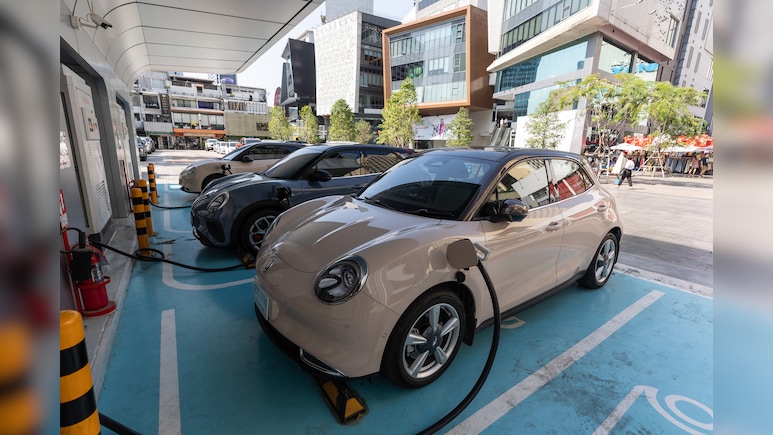
Thailand is considering higher taxes on imported electric vehicles after a surge of low-priced Chinese models intensified competition and put pressure on the country's vast domestic auto-manufacturing industry.
The national EV policy board agreed in principle Thursday to introduce a three-tier excise-tax structure that would impose the lowest rate on EVs made in Thailand and the highest on fully imported models, Pornchai Thiraveja, excise department chief, said Thursday after a meeting at the Finance Ministry. An intermediate rate would apply to vehicles relying partly on imported components.
The exact rates for each category have yet to be decided. The board plans to use excise taxes as its sole tool to encourage automakers and suppliers to manufacture in Thailand and increase their use of locally made parts, rewarding companies with deeper domestic production. The proposal will next be submitted to the cabinet for approval.
The shift marks an effort to rebalance a policy that initially used low import barriers to accelerate EV adoption and attract Chinese manufacturers. The influx of imported models has since fueled aggressive price competition, putting pressure on locally produced vehicles and Japanese automakers that have dominated Thailand's car industry for decades.
Also Read | Layoffs Are Rising In Tech, But These Skills Are Helping People Unlock Better Pay
ALSO READ: EV Retail Sales Rise 53% In August To 2.98 Lakh Units, Says FADA
Thailand is Southeast Asia's largest auto-production hub, built on decades of Japanese investment and an extensive network of parts suppliers. The industry accounts for about 3% of gross domestic product, employs more than half a million people and is a major source of exports.
The country is now trying to preserve that manufacturing base through the transition from combustion engines to EVs. Chinese automakers have committed billions of dollars to local factories, but policymakers increasingly want incentives to favor companies that manufacture in the country rather than those relying on imports.
Thailand is also facing growing competition for automotive investment from elsewhere in Southeast Asia. Indonesia and Vietnam are offering incentives to attract new models and factories.
ALSO READ: Konarc To Drive More Upside For Ather Energy, Says Nomura; Raises Target, Maintains 'Buy'
(This story has not been edited by NDTV staff and is auto-generated from a syndicated feed.)
Essential Business Intelligence, Sharp Market Insights, Practical Personal Finance Advice, Daily Fuel, Gold and Silver Prices and Latest Stories — On NDTV Profit.