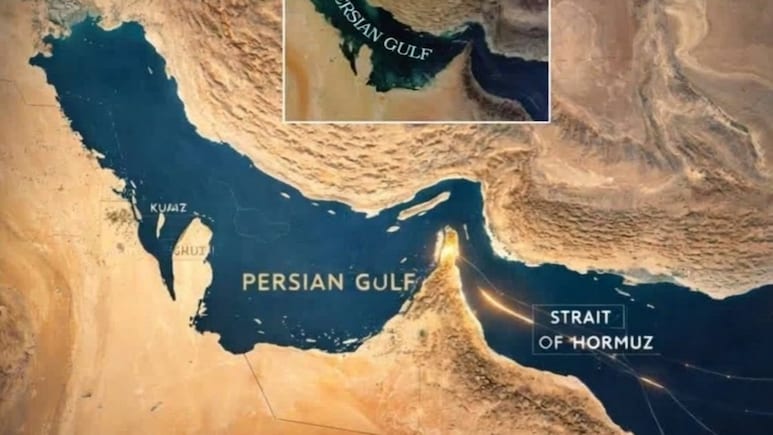
Traffic through the Strait of Hormuz saw only limited disruption on the first full day of the US blockade on ships calling at Iranian ports, with at least eight vessels, including three Iran-linked tankers, crossing the strategic waterway on Tuesday, according to shipping data.
US President Donald Trump announced the blockade on Sunday after weekend peace talks between the US and Iran in Islamabad failed to produce an agreement.
However, vessel traffic through the strait remains significantly below the 130-plus daily crossings recorded before the US and Israel's war on Iran began on Feb. 28, industry sources told Reuters.
Also Read | Layoffs Are Rising In Tech, But These Skills Are Helping People Unlock Better Pay
“During the first 24 hours, no ships made it past the US blockade,” the US Central Command said in a post on X, adding that six vessels complied with instructions from US forces to turn around and return to Iranian ports.
Also Read | Iran War: US Navy Confirms Loss Of A Drone Worth Rs 2,222 Crore In Strait Of Hormuz
The three Iran-linked vessels that transited the strait were not headed to Iranian ports and therefore were not subject to the blockade.
One of them, the Panama-flagged medium-range tanker Peace Gulf, is bound for Hamriyah port in the United Arab Emirates, according to LSEG data. Kpler data showed the vessel typically transports Iranian naphtha, a petrochemical feedstock, to non-Iranian ports in the Middle East for onward export to Asia.
Before that, two US-sanctioned tankers had also crossed the narrow waterway.
The handy tanker Murlikishan is headed to Iraq to load fuel oil on April 16, Kpler data showed. Formerly known as MKA, the vessel has previously transported Russian and Iranian oil.
Another sanctioned tanker, Rich Starry, is expected to become the first vessel to pass through the strait and exit the Gulf since the blockade began, according to LSEG and Kpler data.
Rich Starry is carrying around 250,000 barrels of methanol, the data showed. The cargo was loaded at Hamriyah in the UAE, while the tanker is Chinese-owned and has a Chinese crew on board.
China's foreign ministry on Tuesday described the US blockade of Iranian ports as “dangerous and irresponsible”, warning that it would further heighten tensions in the region.
Also Read | Malacca To Be Next Flashpoint After Hormuz? What US Pivot To This Vital Strait Means For India
Five other vessels also transited the strait after the blockade came into effect at 14:00 GMT on Monday. These included two chemical and gas tankers, two dry bulk vessels, and the cargo ship Ocean Energy, which later docked at Iran's Bandar Abbas port.
A US military advisory seen by Reuters said humanitarian shipments would be exempt from the blockade.
“The United States does not need to block every type of ship or enter the Strait of Hormuz; it can carry out an intermittent blockade,” said Fabrizio Coticchia, professor of political science at Italy's University of Genoa.
“Ships will not be attacked, but rather diverted,” he said, adding that US warships would likely remain outside the strait in the Gulf of Oman.
Essential Business Intelligence, Sharp Market Insights, Practical Personal Finance Advice, Daily Fuel, Gold and Silver Prices and Latest Stories — On NDTV Profit.