Thai and Cambodian troops exchanged artillery fire overnight, with Bangkok accusing its neighbor of firing rockets into civilian areas as the long-simmering border dispute flared into its most serious violence in months.
Clashes raged for a third day along the roughly 800-kilometer (500-mile) border, with the Cambodian Defense Ministry claiming that Thai shells killed two civilians overnight, raising the death toll to six. The Thai army said rockets fired by Cambodian troops struck two houses near the border, after previously stating that a soldier was killed and nearly 30 others were injured in the latest fighting.
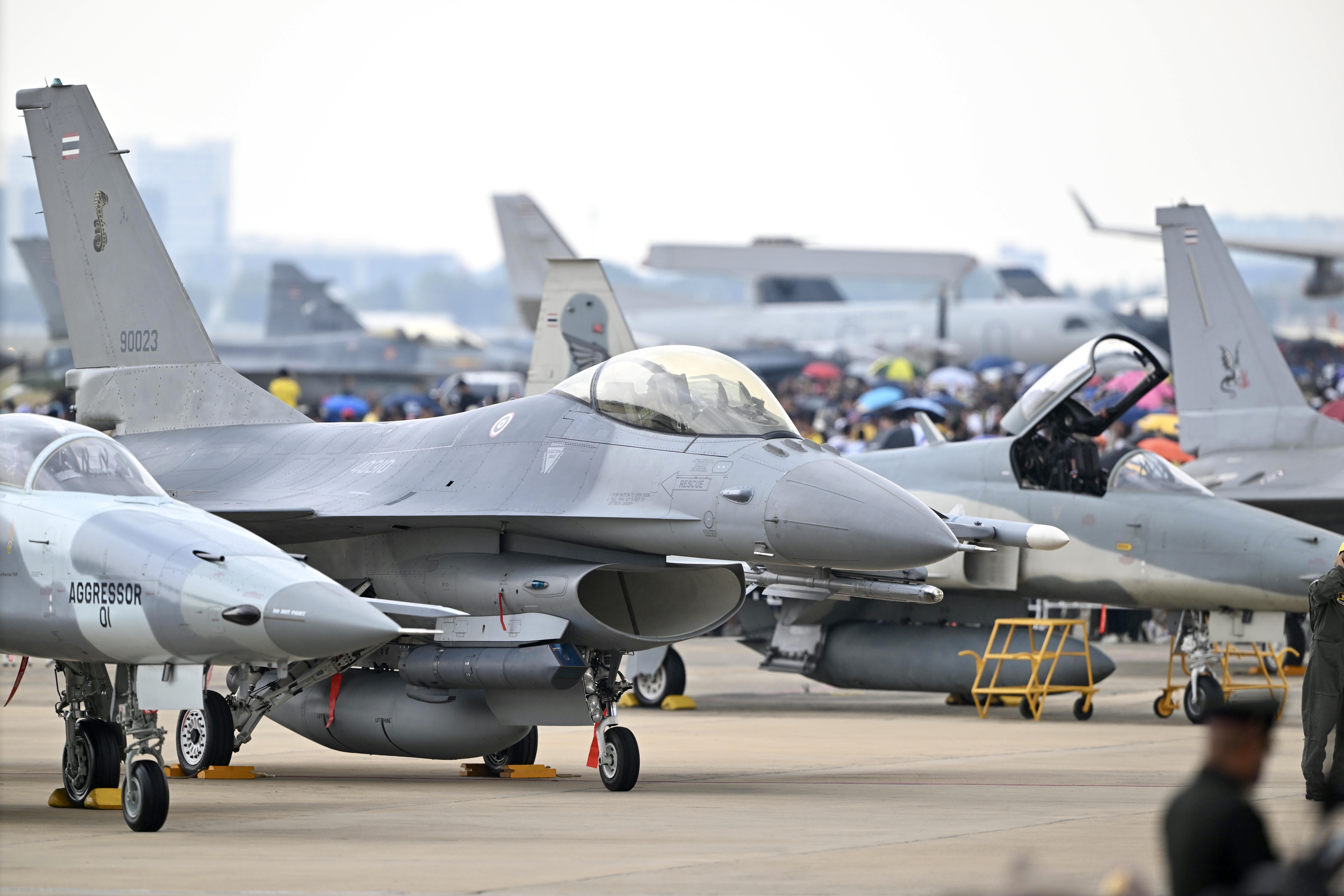
Overnight clashes followed Thailand's use of airstrikes on Monday — its first since July — raising fears that the conflict is expanding just as the two sides struggle to uphold a US-led peace framework. The escalation also poses a challenge for Thai Prime Minister Anutin Charnvirakul, whose political calculus, trade negotiations and domestic standing are at stake.
Thai army spokesman Winthai Suvaree condemned Cambodia for firing rockets across the border, calling it a “violation of sovereignty and a serious threat to public safety.” He said Thailand's military actions comply with international law.
Thailand said its air force and navy will continue to support the army in countering Cambodian attacks. Anutin has vowed to press on with the offensive to protect Thailand's sovereignty and has ruled out talks until Cambodia fully halts its attacks.
The latest bout of violence followed five days of military clashes in July, the deadliest in recent history that left nearly four dozen people dead and displacing more than 300,000. A ceasefire agreement was reached days later during talks in Malaysia and a peace accord was signed in October in a ceremony presided over by US President Donald Trump.
The agreement included deploying observers from the Association of Southeast Asian Nations to help maintain peace.
Essential Business Intelligence, Continuous LIVE TV, Sharp Market Insights, Practical Personal Finance Advice and Latest Stories — On NDTV Profit.