(Bloomberg) -- Inflation in UK stores fell to the lowest level in more than 18 months in another sign that the cost-of-living crisis is starting to ease.
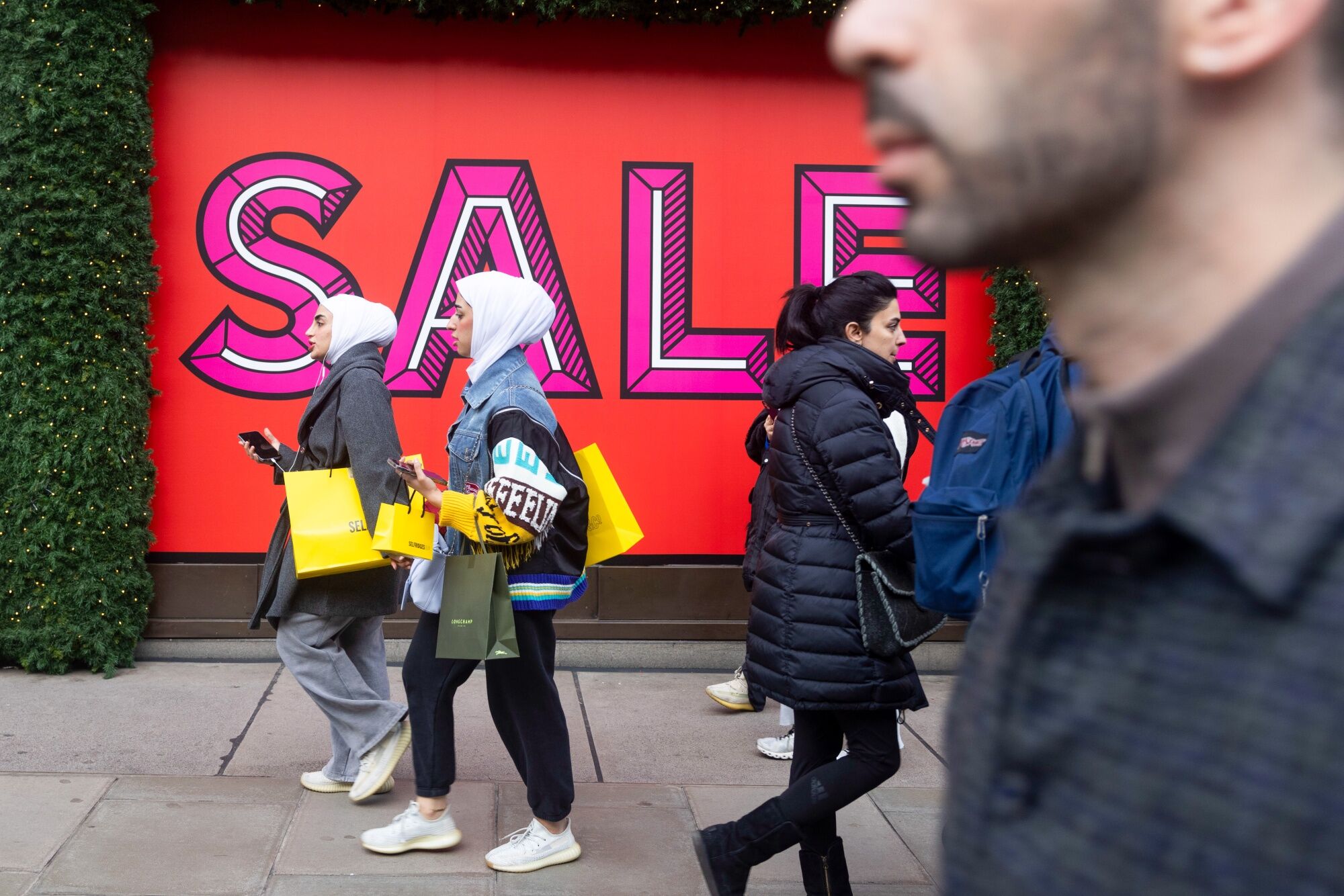
Shop prices were 2.9% higher year-on-year in January compared with a 4.3% annual increase in December, the British Retail Consortium said Tuesday. That's the lowest since May 2022 as retailers offered heavy discounts to attract shoppers.
The data is encouraging after a surprise from the Office for National Statistics earlier this month showing UK inflation had picked up unexpectedly for the first time in 10 months. Investors have priced in a rapid series of rate cuts starting in the middle of this year, based on economist forecasts that inflation may fall back to the Bank of England's 2% goal in the next few months. The BOE will make its next interest rate decision on Thursday.
Food inflation eased for the ninth consecutive month, with price increases up 6.1% in January, compared with 6.7% in December.
“Shoppers are seeing savings at the checkout with non-food retailers on promotion and food retailers continuing to reduce prices when the costs of goods fall,” said Mike Watkins, head of retailer and business insight at NielsenIQ, which produces the data for the BRC. “However, consumer demand remains fragile as most households are yet to feel better off after nearly two years of inflation.”
British supermarkets reported strong growth in sales over the Christmas period with consumers hosting friends and family at home. Major high street clothing retailers Next Plc, Marks & Spencer Group Plc and Primark also fared well, with the former raising its profit forecast for the fifth time since June.
Still, beyond the big-name stores, the crucial Christmas shopping period was weaker than expected as consumers burdened by higher inflation carefully watched their spending. Total sales grew 1.7% last month compared with almost 7% growth a year earlier, as shoppers particularly avoided big-ticket items like furniture and homeware along with clothing, jewelery and technology.
Fashion brand Superdry Plc has proved to be one victim, with the retailer working with advisers on cost-saving options as losses ballooned in the first half.
In the coming months, the rise in the national living wage and higher business rates from April may pose obstacles for a further easing in inflation. Recycling proposals may also increase costs for retailers, while unrest in the Red Sea is creating shipping delays and higher freight costs.
Read more: Currys CEO Lashes Out at UK Government on Taxes, Minimum Wage
“Retailers have spent the last eight months working to bring down inflation, but progress will likely be hampered by new cost pressures coming direct from government,” said Helen Dickinson, chief executive officer of the BRC.
More stories like this are available on bloomberg.com
©2024 Bloomberg L.P.
Essential Business Intelligence, Sharp Market Insights, Practical Personal Finance Advice, Daily Fuel, Gold and Silver Prices and Latest Stories — On NDTV Profit.