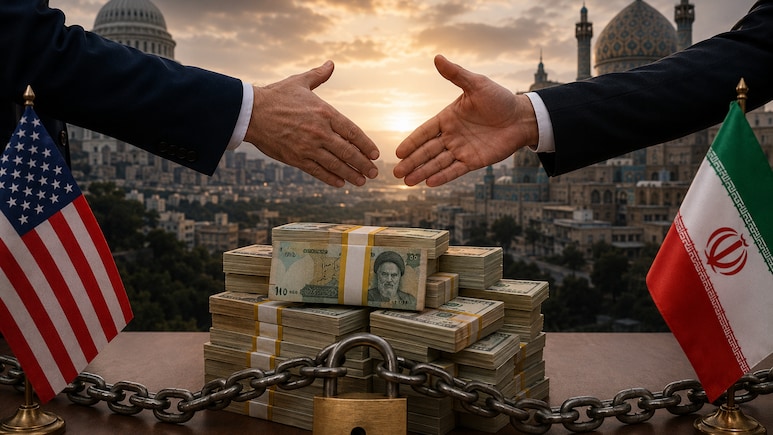
Iranian President Masoud Pezeshkian on Thursday published what he described as the text of a memorandum of understanding (MoU) between Tehran and Washington, outlining a roadmap for ending hostilities, lifting sanctions, reviving maritime trade and supporting Iran's economic reconstruction.
Sharing the document on X, Pezeshkian said, "This is a historical document and a message from a powerful Iran: Peace will be realized in the shadow of mutual respect. The Islamic Republic of Iran has always been committed and steadfast to global peace while preserving its dignity and independence, as well as to progress and regional cooperation."
The document, titled "Islamabad Memorandum of Understanding Between the Islamic Republic of Iran and the United States of America", proposes an immediate and permanent cessation of military operations by both sides and their allies, alongside commitments to respect sovereignty, territorial integrity and non-interference.
Also Read | Layoffs Are Rising In Tech, But These Skills Are Helping People Unlock Better Pay
این یک سند تاریخی و پیامی از ایران مقتدر است: صلح در سایه احترام متقابل تحقق خواهد یافت.
— Masoud Pezeshkian (@drpezeshkian) June 18, 2026
جمهوری اسلامی ایران به صلح جهانی با حفظ عزت و استقلال، پیشرفت و همکاری منطقهای همواره متعهد و پایبند است. pic.twitter.com/FgbeHSioKX
Under the proposed framework, Tehran and Washington would have up to 60 days, extendable by mutual consent, to negotiate a final agreement. The United States would begin dismantling its naval blockade immediately and complete the process within 30 days, while also pledging to withdraw forces from the vicinity of Iran after a final deal is reached.
ALSO READ: 'This Was Not Easy': Watch The Moment Trump Signed US-Iran MoU To End War At Versailles
One of the most notable provisions concerns the Strait of Hormuz. Iran says it would facilitate the safe passage of commercial vessels free of charge for 60 days following the MoU's signing. The document also envisages discussions with Oman and other Gulf littoral states on the future administration and maritime services of the strategic waterway, suggesting a potential framework for charges or service fees beyond the initial period.
The MoU further outlines a commitment by the US and regional partners to develop a reconstruction and economic development package worth at least $300 billion for Iran. Details of the funding mechanism would be negotiated as part of a final agreement.
On sanctions, Washington would commit to a phased termination of sanctions against Iran, including US primary and secondary sanctions, while issuing waivers for Iranian crude oil exports and associated banking, insurance and transportation services during the transition period.
ALSO READ: Israel In Tough Talks With US Over Keeping Troops In Lebanon After Iran Deal: Report
The document also addresses Iran's nuclear programme. Tehran reiterates that it will not pursue nuclear weapons and agrees to negotiate the future of its stockpiled enriched material under a mutually agreed mechanism. Pending a final deal, Iran would maintain the current status of its nuclear programme, while the US would refrain from imposing new sanctions or deploying additional forces in the region.
The MoU also calls for the release and unrestricted use of frozen Iranian assets and the establishment of a joint mechanism to oversee implementation and compliance with any future agreement.
Essential Business Intelligence, Sharp Market Insights, Practical Personal Finance Advice, Daily Fuel, Gold and Silver Prices and Latest Stories — On NDTV Profit.