(Bloomberg Opinion) -- With all the mushrooming battery technologies, it isn't easy picking winners. However, the latest bold bet on the next new powerpack looks to have gone awry.
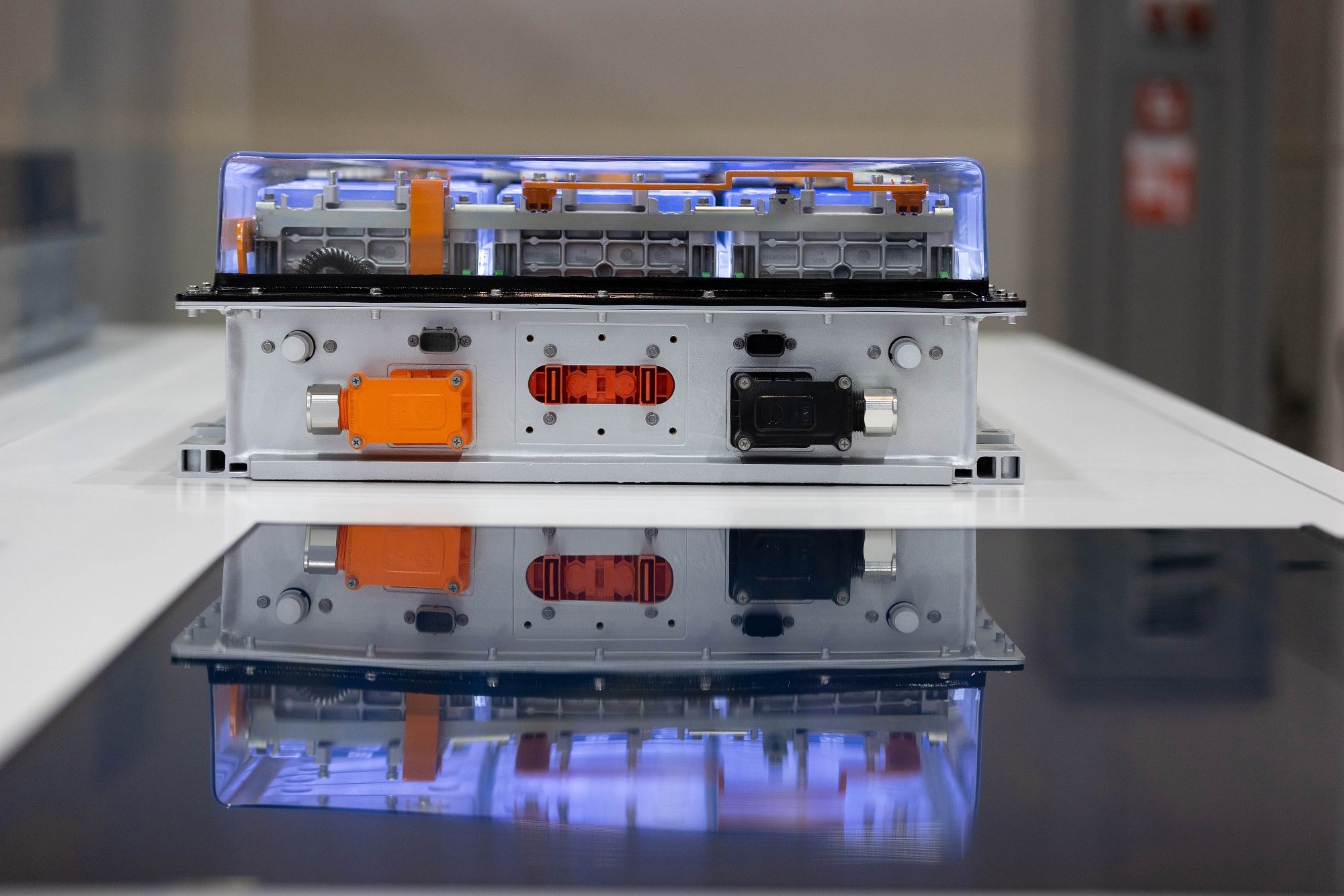
The world's biggest battery maker, Contemporary Amperex Technology Co., or CATL, unveiled the sodium-ion powerpack last year with much fanfare. It had broken past a key hurdle for this variety and said it was building out a supply chain and in talks with carmakers.
The battery held promise. At the time, CATL's deputy head of research said that while the energy density of its new sodium-ion powerpacks was lower than the reigning lithium-ion, these had other advantages like maintaining their performance in cold weather and charging quickly. Late last month, the company said it planned to start mass producing them next year.
Also Read | Layoffs Are Rising In Tech, But These Skills Are Helping People Unlock Better Pay
On paper, the cost of materials for these batteries is about 30% lower than the lithium-ion variety. There's no risk of fire, either. They charge fast and have longer life cycles. After CATL made the big announcement, other companies followed with their versions along with big-name investors.
Turns out, the reality is a bit different. Sodium-ion powerpacks, having gained traction as a cheaper alternative, aren't as effective for EVs as previously believed, recent research shows. They have all the trappings of a good EV battery, but they are best used just for backup power or two-wheelers in most cases. In certain formulations, for instance, they can provide high power for short periods, ranging from one minute to 10 minutes. That's hardly enough for a car.
What's more, if this battery was to be adapted for electric vehicles, the energy density of its cells would have to increase by at least eight times to get anywhere near what EVs need. To do that would require adding metals like nickel. The sodium-ion type also needs more components and manufacturing to deliver the same energy, as one battery startup founder told me. A CATL executive has also acknowledged that while raw materials like sodium are cheap at the get-go, the final product doesn't end up costing less than lithium-ion. That brings us back to the same problem: expensive powerpacks.
Some manufacturers are starting to call out shortcomings, too. Recently, Guangzhou Tinci Materials Technology Co., the world's largest maker of electrolytes — the part that allows ions to flow — called these batteries “worthless.” It pointed to CATL and how the firm hasn't been able to use these for EVs or large-scale energy storage systems yet. This is just one example of a promising and hyped battery technology that's not delivering what firms had committed to at the get-go. Sodium-ion batteries may well improve in the long-run and be ready for use in green cars to replace lithium-ion, but they aren't there yet.
With all the incentives and funding now sloshing around, it's hard to imagine companies and startups holding back from saying too much, too soon to please investors. So it's increasingly important for firms and backers to read between the lines and get their head around the science, before making big bets and promises, regardless of how complex the chemistry is. That's the only way they can determine what's going to make a substantial impact, what's incremental and what's too far from reality to ever be truly commercially viable.
Without that hard work, we're not going to see cheaper batteries or EVs, but a heap of fantastical ideas and a lot of money gone to waste.
More From Bloomberg Opinion:
This column does not necessarily reflect the opinion of the editorial board or Bloomberg LP and its owners.
Anjani Trivedi is a Bloomberg Opinion columnist covering industrial companies in Asia. Previously, she was a reporter for the Wall Street Journal.
More stories like this are available on bloomberg.com/opinion
©2022 Bloomberg L.P.
Essential Business Intelligence, Sharp Market Insights, Practical Personal Finance Advice, Daily Fuel, Gold and Silver Prices and Latest Stories — On NDTV Profit.