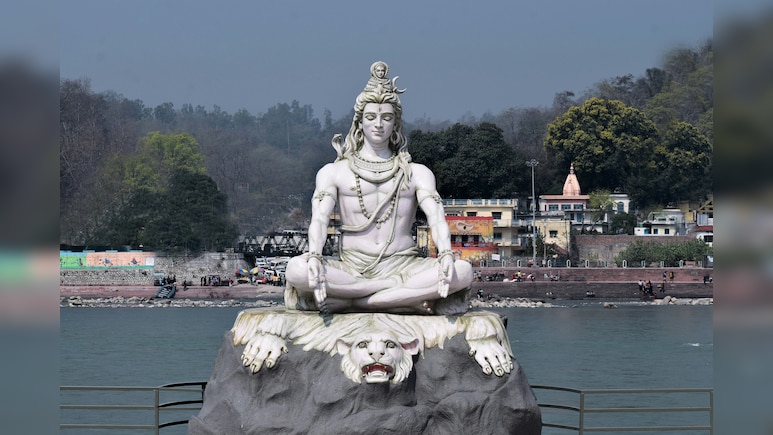
Mahashivratri, among the most revered festivals in the Hindu calendar, will be observed on Feb. 15 with prayers and special rituals at Shiva temples across India. The occasion marks the sacred union of Lord Shiva and Goddess Parvati and is widely regarded as a night of profound spiritual significance. Celebrated on the Chaturdashi Tithi during the Krishna Paksha of Phalguna, it is often referred to as the 'Great Night of Shiva', and symbolises introspection, self-realisation and the pursuit of inner calm.
Maha Shivratri 2026: Date And Puja Time
According to Drik Panchang, here are the timings for the occasion:
- Chaturdashi Tithi Begins - 5:04 p.m. on Feb. 15.
- Chaturdashi Tithi Ends - 5:34 p.m. on Feb. 16.
- Ratri First Prahar Puja Time - 6:11 p.m. to 09:23 p.m. on Feb. 15.
- Ratri Second Prahar Puja Time - 9:23 p.m. to 12:35 a.m., Feb. 16.
- Ratri Third Prahar Puja Time - 12:35 a.m. to 03:47 a.m., Feb. 16.
- Ratri Fourth Prahar Puja Time - 3:47 a.m. to 06:59 a.m., Feb. 16.
- Nishita Kaal Puja Time - 12:09 a.m. to 1:01 a.m., Feb. 16
- Shivaratri Parana Time - 6:59 a.m. to 3:24 p.m. on Feb. 16.
Maha Shivratri 2026: Puja Vidhi And Rituals
Devotees celebrate the occasion by waking early, performing a ritual bath and wearing fresh garments. It is usually a day when devotees keep a fast. Abhishekam, the ceremonial bathing of the Shiva Linga, forms one of the key elements of the worship.
Also Read | Layoffs Are Rising In Tech, But These Skills Are Helping People Unlock Better Pay
Bilva leaves and flowers are placed at the shrine, while incense fills the air. Continuous chanting of Shiva mantras, particularly 'Om Namah Shivaya', marks the spiritual rhythm of the night, as many choose to remain awake in contemplation. The fast is traditionally ended after sunrise the following morning, on Feb. 16.
Maha Shivratri 2026: Significance
Maha Shivratri is widely regarded as a celebration of light prevailing over darkness and wisdom dispelling ignorance. The festival serves as a reminder of the importance of introspection and spiritual renewal.
Hindu mythology offers several narratives linked to the occasion. One recounts how Lord Shiva consumed a deadly poison to save the universe from destruction. Another describes the night as the moment of his cosmic dance, the Tandava, symbolising creation, preservation and dissolution. Many devotees also believe the festival commemorates the sacred union of Shiva and Goddess Parvati.
Essential Business Intelligence, Sharp Market Insights, Practical Personal Finance Advice, Daily Fuel, Gold and Silver Prices and Latest Stories — On NDTV Profit.