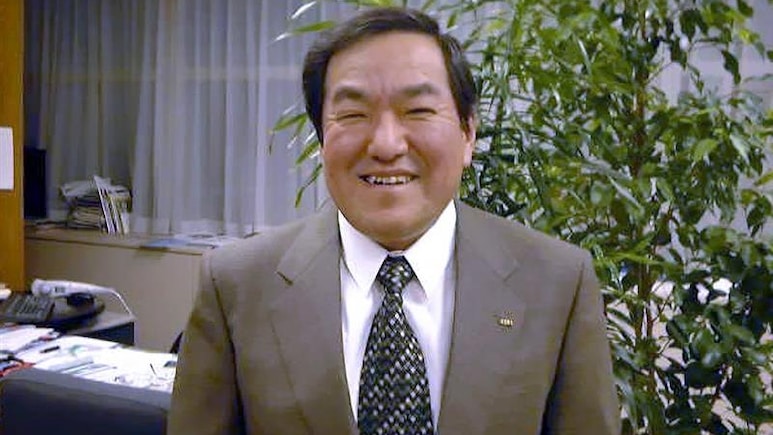
Hideki Sato, often described as the architect of Sega's hardware legacy, has died aged 77, according to a report from Japanese gaming outlet Beep21. His passing on Feb. 13, 2026 has prompted tributes across the industry to one of console gaming's most influential figures.
Born on Nov. 5, 1950, Hideki Sato joined Sega in 1971 and went on to play a central role in the company's rise as a console powerhouse. Over more than 30 years, he oversaw the engineering of every Sega home system, from the launch of the SG-1000 in 1983 through to the Dreamcast, before the firm withdrew from the console market in 2001.
“Mr. Hideki Sato, known as the father of Sega hardware, passed away yesterday. His passion and bold spirit defined an era and inspired Sega fans around the world. Rest in peace,” posted Beep21.
Mr. Hideki Sato, known as the father of Sega hardware, passed away yesterday.
— Beep21 (@Beep2021) February 14, 2026
His passion and bold spirit defined an era and inspired Sega fans around the world.
Rest in peace.
Beep21
According to PC Gamer, after the death of Isao Okawa in 2001, Sato assumed the role of president at Sega, guiding the firm through a turbulent period as it withdrew from the console market. He stepped aside in 2003, ahead of Sega's crucial merger with Sammy, and later departed the company entirely in 2008.
How Sato Challenged Nintendo
Having already played a role in the SG line and the Master System, Sato rose to greater prominence in 1989 after being appointed head of research and development at Sega. The brief handed to him and his engineers was stark: challenge the market dominance of Nintendo.
As per Kotaku, Sega was left reeling after the Nintendo Entertainment System overwhelmed the Master System, establishing near-
The strategy was to fuse Sega's arcade heritage with newly affordable microchip technology for the home. Hideki Sato pushed for a console that looked as refined as a premium hi-fi system: sleek, dark and finished with gold accents, a design choice Sato later described as costly in an interview with Famitsu.
That vision became the Mega Drive, marketed as the Genesis in North America. Launching two years ahead of the Super Nintendo, it gained momentum quickly, even before the arrival of Sonic the Hedgehog.
Under Sato's stewardship, Sega produced a run of machines that left a lasting imprint on gaming history. The Mega Drive propelled the company into the mainstream, fuelling its challenge to Nintendo's dominance.
The Sega Saturn offered an early glimpse of what fully 3D, CD-based gaming could become, while Sega's final console, the Dreamcast, earned cult status for its bold design and uncompromising library despite its commercial struggles.
Essential Business Intelligence, Continuous LIVE TV, Sharp Market Insights, Practical Personal Finance Advice and Latest Stories — On NDTV Profit.