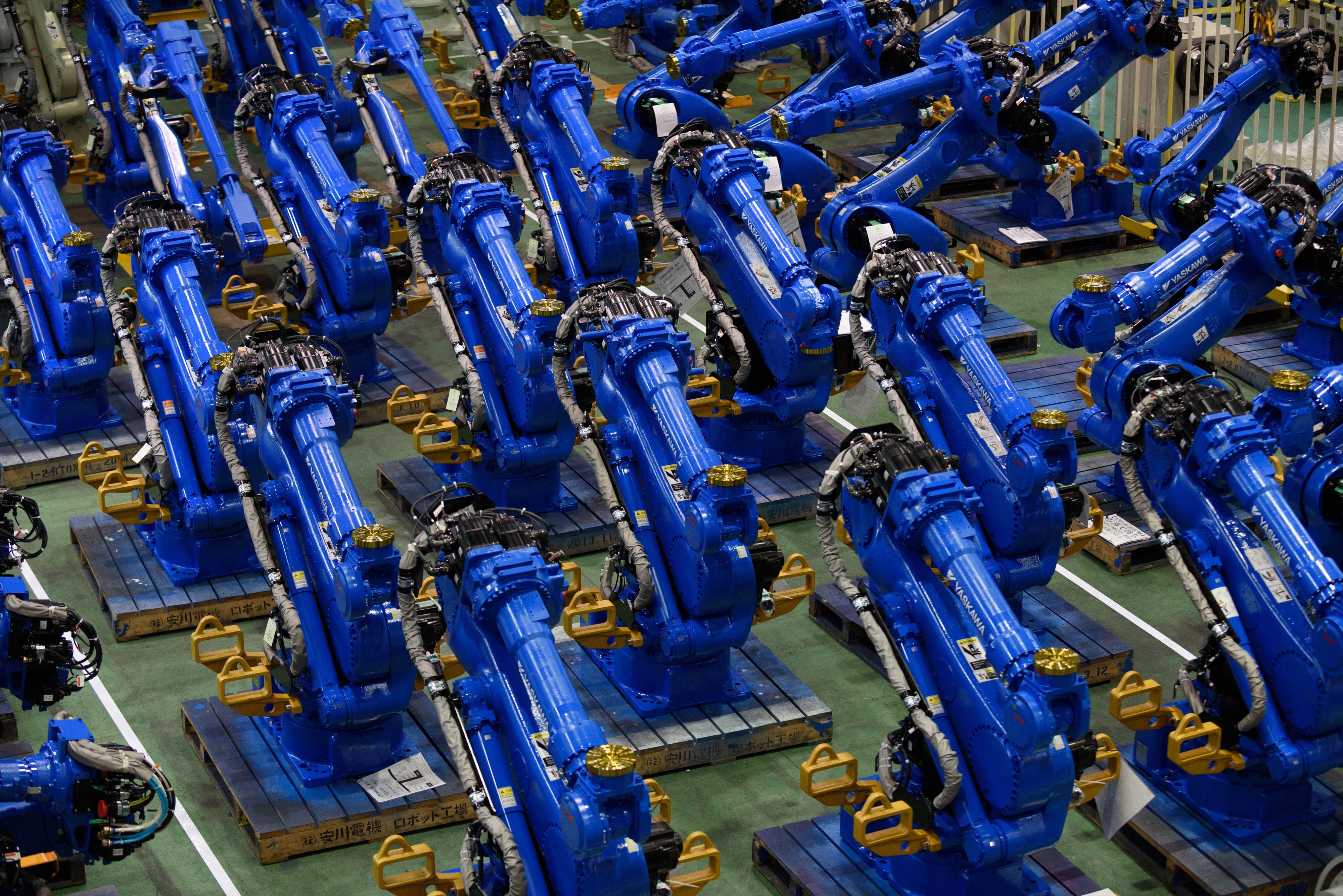
Microsoft Corp. founder Bill Gates recently suggested that robots which take away human jobs should be taxed. The funds raised could be used by governments to create new employment opportunities better suited for humans, he said in a recent interview.
It's ultimately a call for higher corporate taxes, says Jerry Kaplan, author of Artificial Intelligence: What Everyone Needs To Know.
Will that be self-defeating? According to Milan Sheth, advisory partner and technology sector leader at EY, such taxes will stop companies from investing in advanced automation, impede innovation and slow down economies.
The idea of a robot tax takes its roots from ideas of European politicians like Mary Delvaux of Luxembourg and Benoît Hamon of France. The only way to counter a mass disruption of the labour force, they say, is to introduce a universal basic income partly funded by taxing companies adopting robotics and artificial intelligence (AI).
That's a social decision, Kaplan says, and “has nothing to do with robots harming us or the need to tax them”.
Essential Business Intelligence, Continuous LIVE TV, Sharp Market Insights, Practical Personal Finance Advice and Latest Stories — On NDTV Profit.