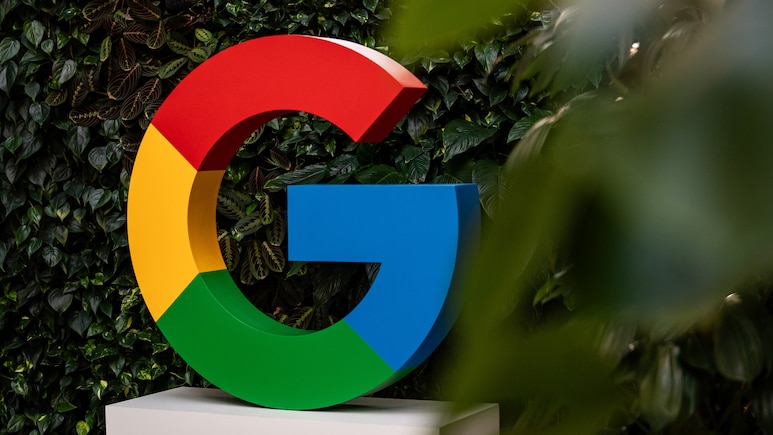
Two leading artificial intelligence researchers at Alphabet Inc.'s Google are planning to leave for rival Anthropic PBC, according to people familiar with the matter, adding to a series of high-profile departures that risk undercutting the search giant's position in AI.
Jonas Adler and Alexander Pritzel, both viewed internally as key contributors to Google's Gemini AI model, are set to move to the Claude maker, said the people, who spoke on condition of anonymity as the information is not public. Adler worked on the company's AI coding effort and Pritzel was involved in the process of training artificial intelligence systems.
Google, an early pioneer in artificial intelligence, spent much of the current AI boom playing catch-up with the likes of OpenAI and Anthropic before hitting its stride late last year with more capable models and chips. In recent days, however, the company had already lost two prominent staffers, with Nobel laureate John Jumper heading to Anthropic and star researcher Noam Shazeer going to OpenAI. Their moves rattled investors and cast new doubt on Google's ability to compete in the fierce race to build better models.
Shares of Alphabet closed down slightly after falling as much as 1.2% during the trading day Wednesday.
The exits highlight the pressure Google faces from two startups that are on the cusp of going public, offering even well-heeled employees at Big Tech firms the chance at a rare payday by signing on before an IPO. In at least one case, a Google departure also appeared to be preceded by shifting priorities over how to allocate precious computing resources, an issue that has prompted other employees to leave the company entirely.
Shortly before Shazeer announced his plans to join OpenAI, computing power dedicated to one of his projects was reassigned to a London-based team at Google DeepMind, according to two people familiar with the matter. The move was made in an attempt to boost collaboration across teams and streamline Google's work on pre-training, the initial phase of AI development in which models learn from massive datasets, the people said.
Adler, Pritzel, Jumper and Shazeer did not respond to requests for comment. Anthropic declined to comment. A spokesperson for Google said the company remains confident in its position in the market for AI talent and pointed to Google DeepMind CEO Demis Hassabis's remarks earlier this week.
"There's a lot of talent movement between all the leading labs and we win our fair share of the top talent. We have by far the biggest and broadest research bench of any of the labs out there," Hassabis said at an event in Cannes. "It's a ferociously competitive market right now, the most ferociously competitive it's ever been in the tech industry."
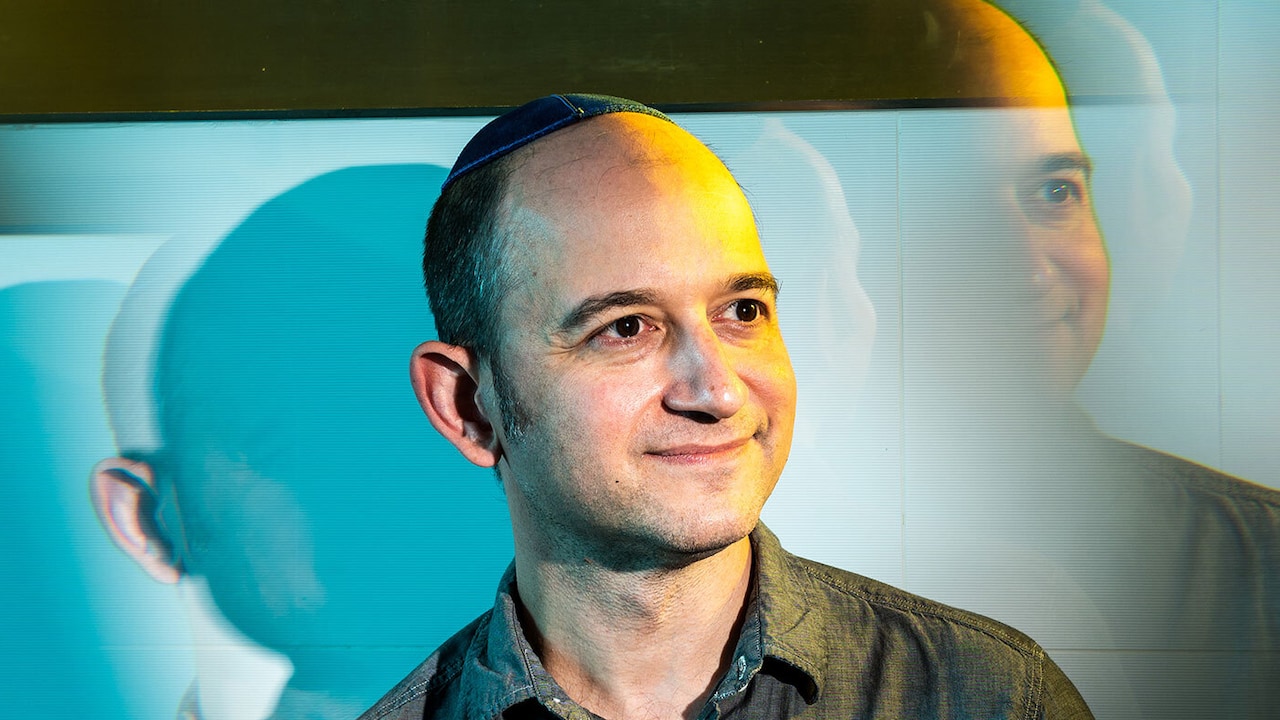
Noam Shazeer. Photographer: Stephen Brashear/Getty Images
Photo Credit: (Photo: Bloomberg)
Shazeer's career trajectory is emblematic of the intense talent wars that have defined the AI landscape. After co-authoring a seminal paper that helped catalyze the AI boom, he left Google in 2021 to found Character.AI, a chatbot startup, only to rejoin the firm in 2024 as part of an unusual licensing deal that valued his company at $2.5 billion.
Once back at Google, Shazeer co-led development of the company's flagship Gemini AI model. Prior to his departure, he had also been working on a new AI architecture, two people said. The architecture was still based on the transformer, a technique that Shazeer and his colleagues introduced in 2017 that has become a staple of AI development in the years since, but it had been achieving promising results, one of the people said.
Shazeer was at once an admired and divisive figure within Google, current and former employees say. His comments within Google about transgender identity and the Gaza conflict stirred controversy among some employees, two people said.
Jumper, meanwhile, had emerged as a face of Google's most ambitious AI efforts after winning the Nobel Prize for landmark research using AI to predict protein folding. Adler and Pritzel, both of whom are set to join Jumper at Anthropic, worked with him on that research.
Key members of Jumper's team on the protein-folding research have exited Google DeepMind in recent months. Some have shifted to Isomorphic Labs, an Alphabet spinout company working on AI-designed drugs, according to a person familiar with the matter.
Anthropic, which both competes with Google and partners with it, has aggressively siphoned talent from the tech giant. DeepMind engineers are nearly 11 times more likely to leave for Anthropic than the reverse, according to a 2025 industry analysis from the venture capital firm SignalFire.
Like Google, the Claude maker is exploring life sciences and healthcare applications in a bid to broaden the uses of its technology. Anthropic recently raised a new round of funding at a $965 billion valuation, overtaking OpenAI, and is considering going public as soon as this fall.
AI researchers in the UK, where DeepMind's leadership is based, are often subject to lengthy non-compete agreements, which are enforceable under British law. Jumper would likely not begin work at Anthropic until next year, according to a person familiar with the matter.
Another researcher, Arthur Conmy, wrote on X Wednesday that he was set to join Anthropic to work on AI safety. During his time at DeepMind, Conmy was a senior research engineer who contributed to the Gemini 2.5 model as well as AI coding, according to his LinkedIn profile.
(This story has not been edited by NDTV staff and is auto-generated from a syndicated feed.)
Essential Business Intelligence, Sharp Market Insights, Practical Personal Finance Advice, Daily Fuel, Gold and Silver Prices and Latest Stories — On NDTV Profit.