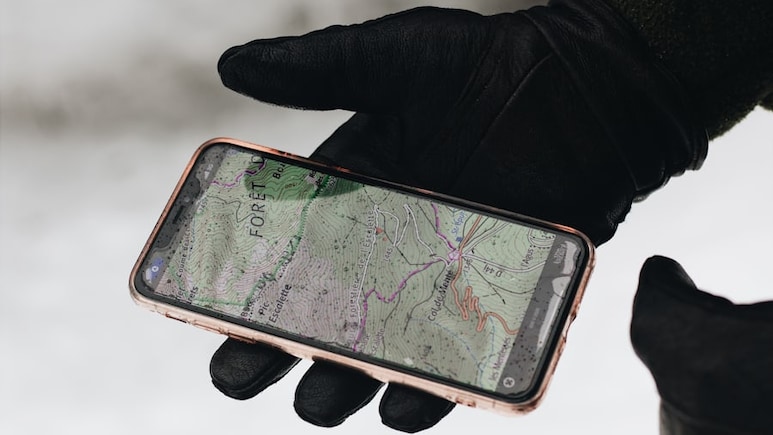
Artificial intelligence (AI) can now identify the location where a travel photograph was taken with high accuracy, even when the image contains no GPS data, location tags, captions or metadata. A McAfee Labs study has highlighted the growing privacy and cybersecurity risks associated with sharing travel photographs online.
AI Can Identify Locations From Visual Clues
McAfee researchers tested publicly available vision-language models, including Google's Gemma 3 27B and Alibaba's Qwen 3 VL 30B, on 21,236 travel images. Gemma 3 correctly identified the city and country in 87% of cases, while Qwen 3 achieved 91% accuracy.
ALSO READ | Anthropic Reveals More About How Claude's AI Text Watermarks Will Work
Also Read | Layoffs Are Rising In Tech, But These Skills Are Helping People Unlock Better Pay
The models did not rely on GPS or EXIF information. Instead, they analysed visual clues such as architecture, landmarks, road markings, signage, skylines, vehicles, lighting, food stalls, local infrastructure and other cultural details. Generic beaches, rural roads and hotel rooms were more difficult to pinpoint, although AI could often still identify the country.
McAfee also tested 102 private personal images that had never been publicly posted. Employees used AI tools including ChatGPT, Claude and Copilot, demonstrating that even ordinary photographs can potentially reveal location information.
AI Geolocation Could Aid Scammers
The ability to identify locations from photographs could provide cybercriminals with another tool for creating personalised scams. Attackers could collect publicly available travel photographs from social media platforms, use AI to determine the likely location and then craft convincing phishing messages based on that information.
For example, scammers could send fake banking alerts referring to suspicious transactions, login attempts or card activity in the specific city or country where a person is travelling.
How Users Can Stay Safe
McAfee recommends avoiding real-time travel posts and sharing photographs after returning home. Users should also review social-media privacy settings and carefully check backgrounds for distinctive landmarks, signs or other identifying details.
ALSO READ | No More Hidden Bans? Elon Musk Vows To Unveil Government Censorship Requests On 'X'
The study does not suggest that every photograph can be accurately geolocated. Accuracy depends on the visual information available. However, the findings show that a photograph does not need a location tag to reveal where it was taken, potentially giving scammers valuable information for highly targeted fraud.
Essential Business Intelligence, Sharp Market Insights, Practical Personal Finance Advice, Daily Fuel, Gold and Silver Prices and Latest Stories — On NDTV Profit.