“Will India be the first team to break the 300-run mark in the T20 World Cup?” was a question often raised in the promos of the group stages of the ongoing ICC Men's T20 World Cup 2026. The question could be considered a fair one, considering the form of the Indian batters in the bilateral series against New Zealand, which was played in similar conditions in the build-up to the World Cup.
In the bilateral T20I series against New Zealand which concluded on Jan. 31, first-innings totals routinely crossed 200. However, in stark contrast, during the ongoing T20 World Cup, 170 has emerged as par.
Across 40 completed matches in the T20 World Cup's initial group stage, the average first-innings score stands at 172.7, with a collective run rate of 8.80 runs per over. In fact, only seven times have teams breached the 200-mark.
Also Read | Layoffs Are Rising In Tech, But These Skills Are Helping People Unlock Better Pay
Compare that to the five-match India-New Zealand series played in India before the tournament. There, the average first-innings score was 217, with a scoring rate of 10.85 runs per over. With four out of the five matches seeing a target of 200-plus posted on the board.
That is a difference of nearly 45 runs in the first innings and 2.05 runs per over.
This is not random fluctuation. In fact, it is a measurable change in the playing conditions from the BCCI's ‘batter-friendly' tops to the more balanced surfaces seen during ICC tournaments.
Managing Expectations Among Batters
In the bilateral series, 200 was the baseline. In this World Cup, it is turning out to be an exception. Most first-innings scores have been clustered between 165 and 185 with matches balanced on a knife's edge deeper into the second innings and the bowlers consistently threatening to influence the outcome of the game.
The shift is not just in the size of totals, but in scoring tempo. With run rates dropping from 10.85 to 8.80 per over, the slowdown serves to highlight how innings are approached.
That typically points to conditions and tactics rather than batting decline.
Tournament Oversight Vs Bilateral Incentives
Pitch preparation in ICC tournaments operates within a different framework from bilateral series.
While host boards prepare surfaces, ICC events involve tournament oversight and a broader emphasis on competitive balance. The objective is not to produce extreme batting highways but surfaces that have something for both bat and ball.
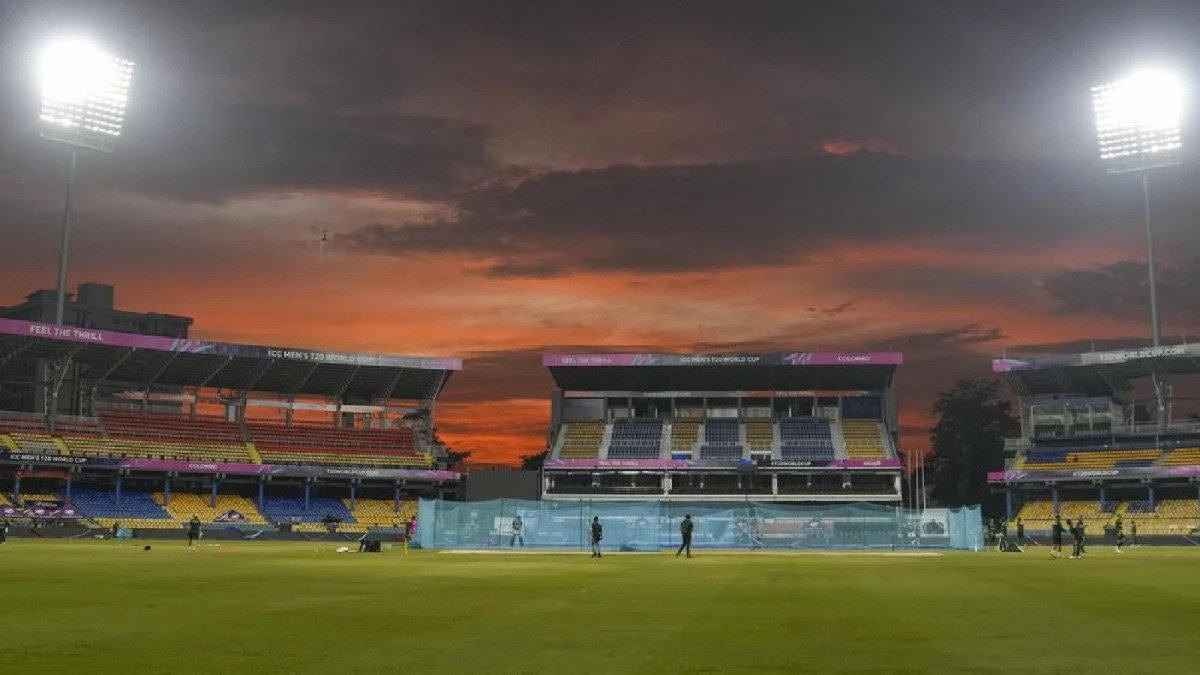
Pre-match pitch reports from venues such as Ahmedabad and Colombo have repeatedly referenced grip, underlying moisture and variable pace through the middle overs.
In contrast, bilateral series are shaped entirely by the host board's preferences. High-scoring contests make the games even more entertaining. Hence, surfaces tend to be flatter, harder and more conducive to stroke play as reflected in the 217-run average seen in the India-New Zealand series.
The difference in scoring patterns suggests a recalibration driven by surface conditions rather than batting regression.
Tactical Conservatism Plays A Role
Another factor to consider is that a big stage such as the World Cup, alters the risk appetite among teams. Teams are more conservative in the Powerplay. Also, on surfaces offering grip, early wickets expose middle orders, increasing the value of anchors who keep the scoreboard ticking at a steady pace. The emphasis shifts from explosive acceleration to securing a defendable par.
At 8.80 runs per over, the T20 World Cup 2026 scoring rate reflects calculated accumulation rather than sustained assault.
In bilateral cricket, experimentation is tolerated and even encouraged. In knock-out tournaments, the risk of elimination greatly curtails intent.
A Deliberate Balance Struck By The ICC?
There is no formal ICC statement suggesting pitches have been slowed deliberately. But the statistical evidence indicates a moderation of scoring conditions.
From an average first innings score of 217 in the bilateral series to 172.7 at the World Cup, that's a drop of nearly 55 runs per innings. That drop cannot be ignored. The World Cup has not eliminated big scores. It has simply made them harder to produce. And in doing so, it has restored bowling influence and competitive balance.
It also underlines how in bilateral series and tournaments such as the IPL, high-scoring games may be more by design than a statement of batting firepower within a team.
Essential Business Intelligence, Sharp Market Insights, Practical Personal Finance Advice, Daily Fuel, Gold and Silver Prices and Latest Stories — On NDTV Profit.