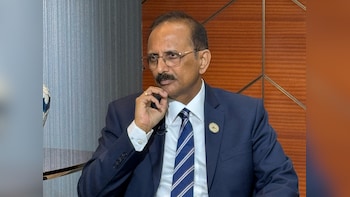
(Bloomberg) -- Poland's interest-rate cuts since the start of the Covid-19 pandemic have been only “moderately positive” and borrowing costs may need to be gradually raised again next year, according to central banker Jerzy Kropiwnicki.
His comments follow similar remarks this week by fellow Monetary Policy Council member Eugeniusz Gatnar urging a return to “normalization” in 2021. For Kropiwnicki, slashing rates to 0.1% has lowered costs for consumers and allowed them to keep spending. But it's failed to boost new lending and investment, with struggling companies unable to afford loans and banks tightening credit requirements.
“That understandable caution among potential investors as well as lenders is, among other reasons, behind the investment collapse -- a worrying and harmful one for economic growth,” Kropiwnicki said Tuesday in an interview. “Let's keep the ultra-low rate for a while. But then, in mid-2021, let's consider gradually returning it toward 1.5%.”
The near-zero interest rates in the European Union's biggest eastern economy mirror the approach of much of the planet to the consequences of the coronavirus. Polish central bank Governor Adam Glapinski, whose views tend to reflect those of the majority on the MPC, calls the record-low benchmark rate “fair” and has pledged to leave it untouched for as long as the economy needs support.
Despite gross domestic product beating estimates in the second quarter, a fresh wave of virus infections across Europe is stoking fears about the recovery from Poland's first recession since the fall of communism three decades ago.
Kropiwnicki also shares concerns about inflation with his colleague Gatnar. Price growth has remained above the 2.5% mid-point of the official target range for more than two years and Kropiwnicki is skeptical the central bank's 2021 forecast of 1.5% will be met.
Read more: Polish Central Banker Calls Near-Zero Rates After 2020 ‘Harmful'
First, he says, low rates are discouraging savings among Poles. But on top of that, consumers will face higher costs starting next year for electricity, household maintenance, banking and insurance services and food products subject to a new sugar tax.
While ultra-loose monetary policy has sent the zloty lower against the euro, talk of possible rate hikes next year prompted its biggest gain since May on Tuesday. The currency's dip for most of September could still benefit the economy, where exports are playing an increasingly large role, according to Kropiwnicki.
“Recent zloty weakness may be of additional help in this regard,” he said.
©2020 Bloomberg L.P.
Essential Business Intelligence, Continuous LIVE TV, Sharp Market Insights, Practical Personal Finance Advice and Latest Stories — On NDTV Profit.