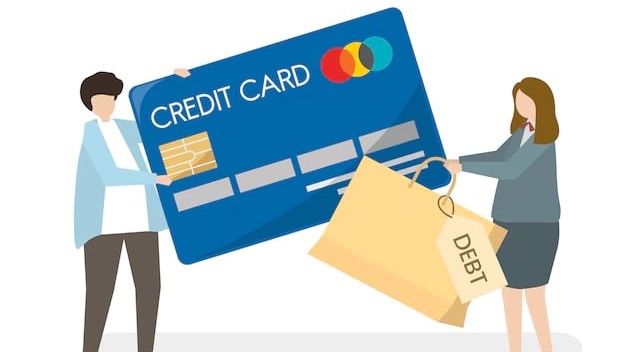
A credit card is the safest way to make purchases and manage your finances if it is used responsibly. When you get a credit card bill, the bank usually gives you two options. The first option is to pay the full amount and the other one is to pay just the minimum amount due.
While many believe paying the minimum amount due on a credit card is enough, the consequences of doing so can be quite severe over time.
The first reason is the high interest rate. By choosing to pay just the minimal amount due, you are basically delaying the remaining balance until the following month.
The remaining amount is subject to hefty interest rates from credit card firms, which frequently range from 30% to 40% each year. This implies that interest will be charged on any outstanding balance, which will increase your debt over time.
Another major drawback of paying only the minimum amount due is that it takes longer to pay off the debt. Even if you are making monthly payments, it could take years to pay off your credit card debt if you only pay the minimum amount due.
Paying just the minimum amount can put you in a financial trap. Even if you make regular payments, high interest rates on outstanding balances can slow down your progress, making it harder to reduce your financial burden.
Many people use credit cards for essential purchases, but if debt keeps piling up without being repaid, it can trigger a cascading effect. The more debt you accumulate, the harder it becomes to pay off — and the longer it takes to recover.
Paying only the minimum amount due on your credit card can also affect your credit score. When you just pay the minimum, your credit usage ratio rises since your outstanding balance stays high. A high ratio, typically above 30%, may hurt your score.
If you only make minimum payments regularly, you barely reduce your debt while interest keeps increasing. This can lead to a debt cycle and signal risky financial behaviour to lenders, potentially hurting your credit score.
Essential Business Intelligence, Continuous LIVE TV, Sharp Market Insights, Practical Personal Finance Advice and Latest Stories — On NDTV Profit.