Money Wise: The Wealthy Continue To Buy Real Estate
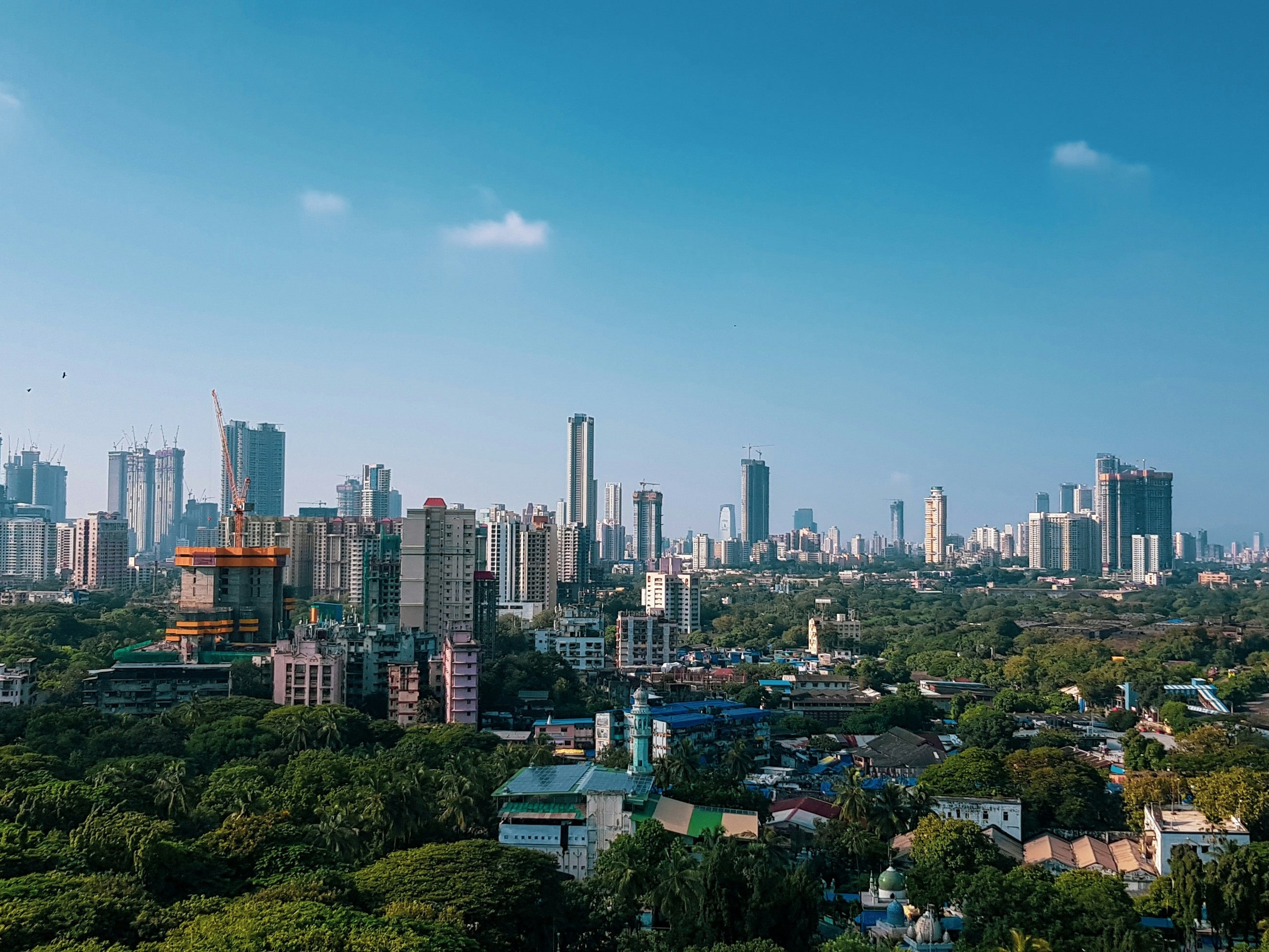
There are few conversations, particularly in our country, that can be as divisive as those that concern buying property. In recent times, a lot of young people have been gravitating towards the idea that they don't want to buy a house. This is quite a departure from their parents, who placed the buying of a house at the forefront of their financial priorities.
I've spent some time thinking about why this is and been fortunate to speak to and read the thoughts of some exceptional individuals on this subject. Context, as often is the case, is important to understand. For someone growing up between the 1960s and 1980s, there weren't too many efficient financial instruments to be had. Of course, the stock market was available, but the perception of equity was wildly different from what it is today. I won't go into too much detail on why, but the Harshad Mehta scam comes to mind. A lot of people burnt their hands.
Then there's the relative affordability. I'm not saying that property was easy to buy for everyone, but a look at the appreciation of prices even in this century should tell you that property prices have risen faster than salaries have. In Mumbai, for example, a report by PwC, pegged the price increase of property at 11% over 2000 to 2020. The increase would likely be more if you expanded the timeframe.
Fast forward to today and there are several reasons why there's a growing chorus of those shouting about not buying property. First, and probably foremost, is affordability – particularly in the metro cities. The decision to buy a house today would require a significant loan – a Rs 1-2 crore loan wouldn't make a banker blink anymore. A loan, in turn, brings with it the need to be shackled to a city and perhaps a job, even if it is not the most satisfying. That's something a lot of young people are unwilling to commit to – particularly when you consider previous generations have already created a safety net of sorts.
But these considerations are no longer something that apply when you rise up the wealth ladder. Anecdotal evidence has already been pointing to demand for luxury real estate – there's a reason why developers continue to target a certain set of individuals. A recent survey of millionaires reinforces this. The Mercedes-Benz Hurun India Luxury Consumer Survey 2025 found that 22% of respondents – people with a net household worth of Rs 8.5 crore or more – said they intended to boost investments in real estate within the next three years.
But the question that should be asked is about need and want. Do you need a house? The answer is yes, even if it isn't right now. Unless you're likely to be earning for the rest of your life, you'll likely need the security of a house when you stop. So, do you need to buy a house right now? Maybe not. Maybe never. It could well be that you have ancestral property to turn to, even if it is not in the city you reside in. A good way to plan for this is to set aside a sizeable portion of your long-term savings to buying a house. Consistent, uninterrupted savings will allow you to accumulate a sizeable sum – particularly if you start early. And there's no reason you can't defer your purchase while taking advantage of a relatively low rental yield and the comparatively higher return you'll likely receive in the equity market.
Meanwhile, if you're looking to include real estate in your portfolio from a strategic perspective, you could consider Real Estate Investment Trusts or REITs. The Securities and Exchange Board of India recently approved the tagging of these instruments as ‘equity'. For mutual funds, that means that they can include REITs in a lot more strategies. And REITs could well benefit from there being more demand.
A few more stories for you to read:
ITR Filed But Not e-Verified? Check Last Date For E-Verification
Amazon, Flipkart Sales: How To Maximise Your Credit Card Rewards During Festive Season
Fed Rate Cut: What Does It Mean For Gold Prices? Experts Weigh In

-
Ten Things I Learnt This Samvat

Patience can be a trap. Cheap stocks can stay cheap. Leverage can wipe you out. What did Samvat 2082 teach us? Niraj Shah writes on 10 lessons from the year gone by.
-
Talking Points This Week: Tech Nerves, FII Buying, And A Faraway Banking Shock
The global markets are not shining this Diwali. The exception in the large markets is, India.
-
Midterm Rally Lasted A Day. The Hard Reality Of A Divided US May Last Two Years | Opinion
Between a contested AI boom, a debt ceiling that arrives in 2027 and a president with every incentive to act alone, the next two years may prove more volatile than the first day's rally suggests.
-
Blue Wave Will Derail the AI Trade but Won't Dismantle the AI Era | Unhedged Position
The Democrats' sweep of the US Congress will see politics collide with economic forces both over the long and short term.
-
It's Time To Take The GST Council's Bet On Trust Global
Payment records can prove India's services exports, and clear, proportionate rules can bring foreign digital sellers into the tax net.
-
Opinion | India at 38: From Innovation Overperformer to Innovation Powerhouse
India now has 453 VC-backed deep science startups, 18 of them late-stage, after 117 percent growth since 2020. Laurus Labs, at USD 9.3 billion, is the most valuable deep science company in any middle-income economy outside China.
-
Navigating Energy Crossroads: S Jaishankar's Call For Diversified Supply Chains At G20 Ministerial Meeting
As geopolitical fault lines continue to test maritime trade routes and commodity flows, Jaishankar's message remains pertinent: true economic resilience requires open markets, protected transit lines, and a genuine commitment to multilateral cooperation rather than coercion.
-
Indians Are Travelling, But Not Every Journey Is A Holiday | The Week In Whys
Pilgrims, patients and working women are the real travellers, and the system hasn't quite caught up with them.
-
Getting To Work Costs Women More | The Reason Why
It is not just about women paying more than men. It is about women paying much more in cities than in villages.









