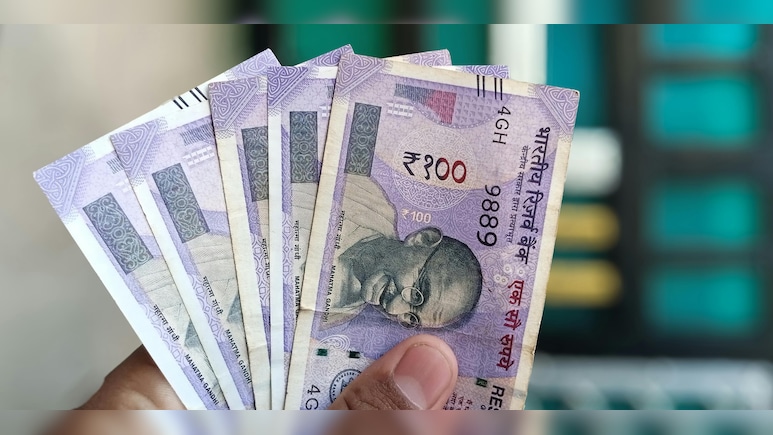
The Employees' Provident Fund (EPF) remains an important retirement savings avenue for salaried workers across India. With contributions made throughout a career by both the employee and employer, the account can accumulate into a sizeable corpus over time. Reaching Rs 10 lakh in EPF savings can mark a notable stage in that journey.
Reaching Rs 10 lakh in EPF savings raises a question that many investors may eventually face: should the accumulated money be withdrawn to fund a near-term expense, or preserved for retirement to benefit from further growth?
Whether withdrawing the money makes sense ultimately comes down to an individual's financial position. For those with a lengthy investment horizon and no immediate requirement for the funds, keeping the EPF corpus intact could provide a significant benefit. Given enough time, compounding can accelerate the growth of savings.
The EPF is structured as a retirement-focused savings scheme. Employees contribute a prescribed share of their basic salary and dearness allowance, with employers making their own contributions to the fund.
The EPF balance earns interest based on the rate declared by the government for the relevant financial year. As this interest is credited to the account, the amount itself becomes part of the balance that can generate further interest in subsequent years.
ALSO READ | Want Rs 1 Crore By 45? Here's How Much You Need To Invest If You Start At 25, 30 And 35
That reinvestment effect is what gives compounding its power.
What Happens To Rs 10 Lakh Left Untouched?
How much the corpus ultimately grows will be determined by two key factors: the return it earns and the length of time it stays invested.
To see how the numbers could work, assume an initial Rs 10 lakh earns an average annual return of 8.25%. The estimated corpus over different periods would be as follows:
Leaving Rs 10 Lakh In EPF For 5 Years:
Total investment: Rs 10 lakh
Tenure: 5 years
Rate of return: 8.25%
Estimated returns: Rs 4.86 lakh
Maturity corpus: Rs 14.86 lakh
Leaving Rs 10 Lakh In EPF For 10 Years:
Total investment: Rs 10 lakh
Tenure: 5 years
Rate of return: 8.25%
Estimated returns: Rs 12.09 lakh
Maturity corpus: Rs 22.09 lakh
Leaving Rs 10 Lakh In EPF For 20 Years:
Total investment: Rs 10 lakh
Tenure: 20 years
Rate of return: 8.25%
Estimated returns: Rs 38.82 lakh
Maturity corpus: Rs 48.82 lakh
The numbers above are only indicative and should not be treated as assured returns. Since the EPF interest rate may be revised over the years, the actual value of the corpus could differ from these estimates.
What stands out is the role played by time. A Rs 10 lakh EPF balance today could potentially become several times larger if it is allowed to remain invested for the next 20 or 30 years.
What Happens If You Withdraw The Rs 10 Lakh?
Taking out the full EPF balance provides immediate access to the accumulated savings. This can be a practical option when the money is needed to meet a pressing financial obligation.
For instance, the withdrawal could potentially be considered for:
Paying off expensive debt
Making a house-related payment
Meeting a major education expense
Handling an emergency
Funding another important financial goal
An immediate withdrawal can come at the expense of future growth. Taking out Rs 10 lakh means giving up the interest and compounding that the amount could have accumulated had it remained in the EPF. Rebuilding the balance later may call for significantly greater savings, especially after a long gap in investment growth.
ALSO READ | Can You Become a Lakhpati by Investing Just Rs 5,000 a Month? Here's the Math
For a retirement-focused saver, allowing the money to stay invested for as long as possible can make a compelling case for retaining the corpus.
Time can influence how an EPF corpus grows. As interest gets added to the balance, that enlarged amount can go on to earn further interest in subsequent years. Regular EPF contributions alongside this growth could help build a considerably larger retirement fund over the long term.
That does not make every withdrawal a poor financial choice. Unexpected situations, sizeable expenses and shifting priorities can all create legitimate reasons to access the savings. The key is to assess whether the withdrawal is genuinely necessary or simply an option that can be avoided.
Essential Business Intelligence, Sharp Market Insights, Practical Personal Finance Advice, Daily Fuel, Gold and Silver Prices and Latest Stories — On NDTV Profit.