They say you really get to ‘see' real wildlife when you look through a pair of binoculars or a camera lens, at the world around you.
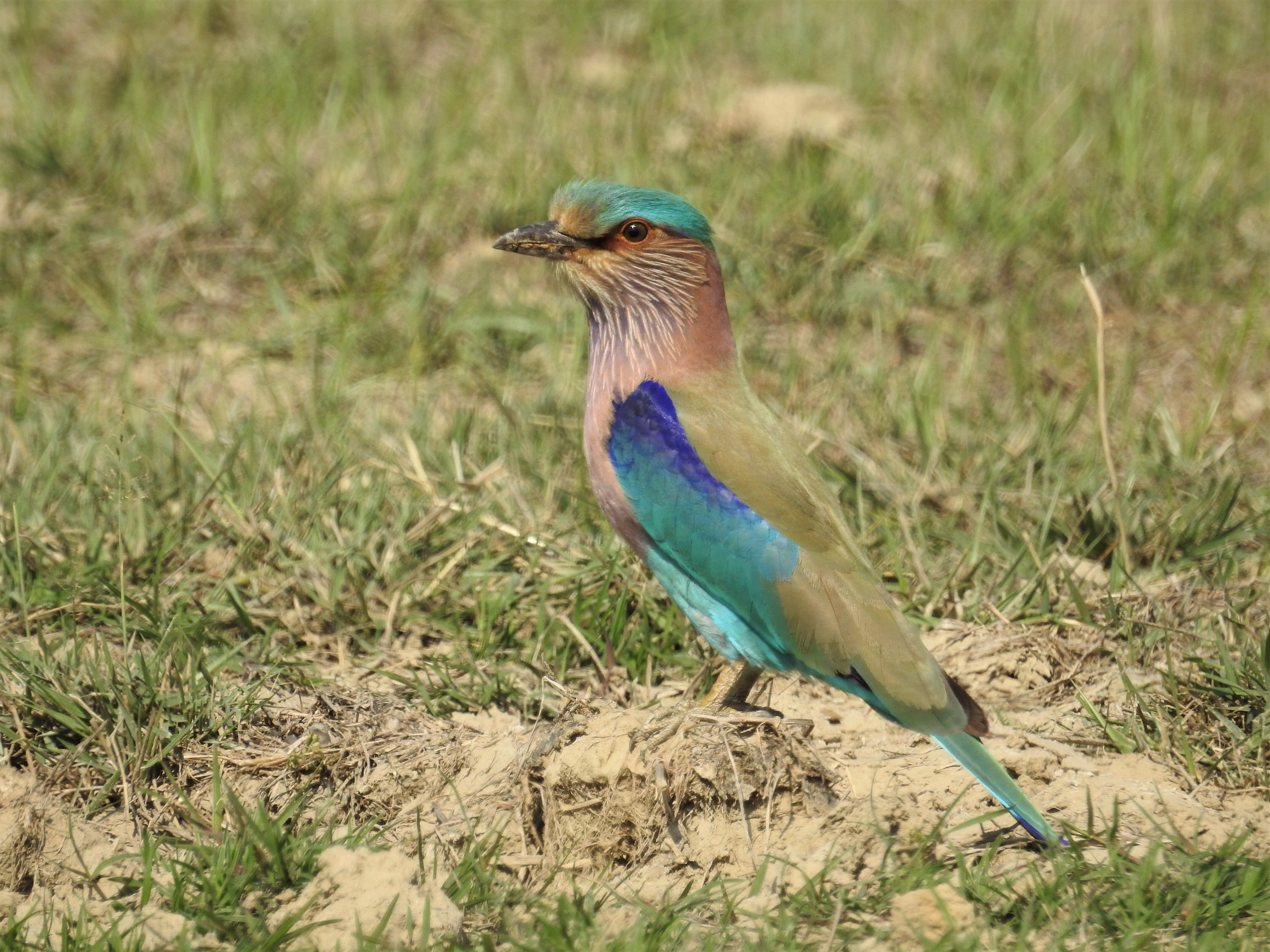
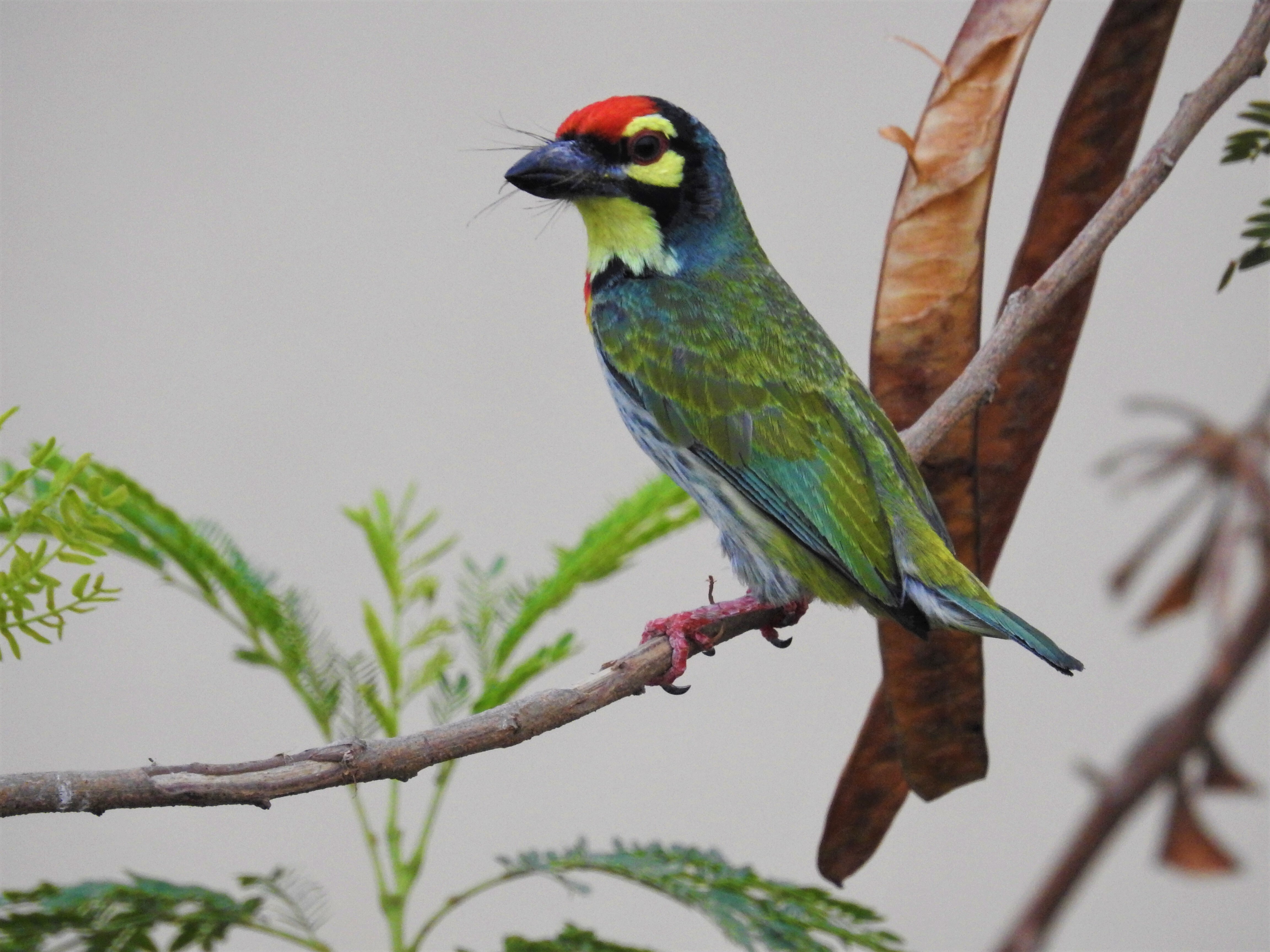
Details the naked eyes will miss come darting out like colours blotting in a kaleidoscope. The Indian Roller bird has magnificent patches of turquoise and cyan on an otherwise brown body.
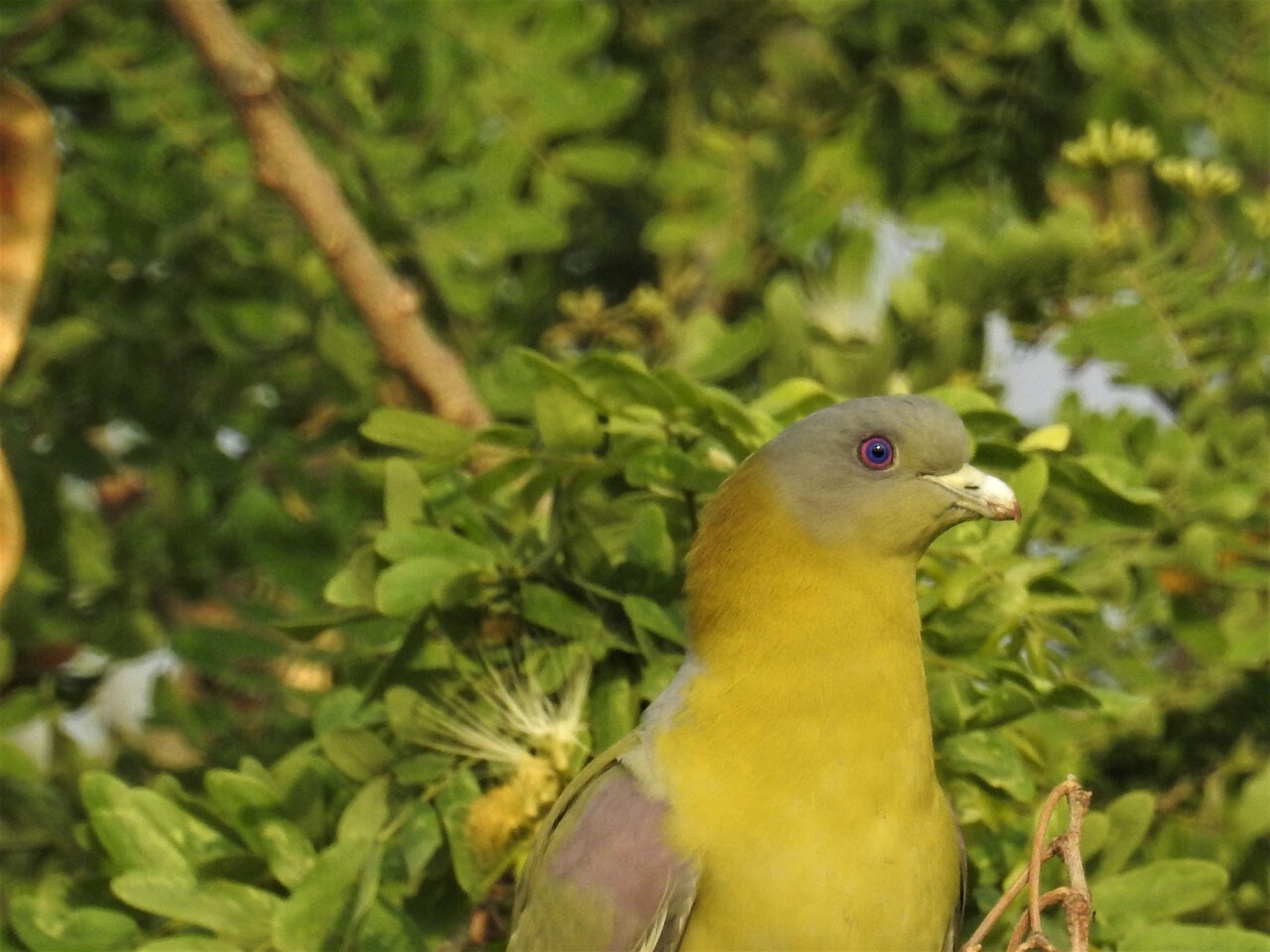
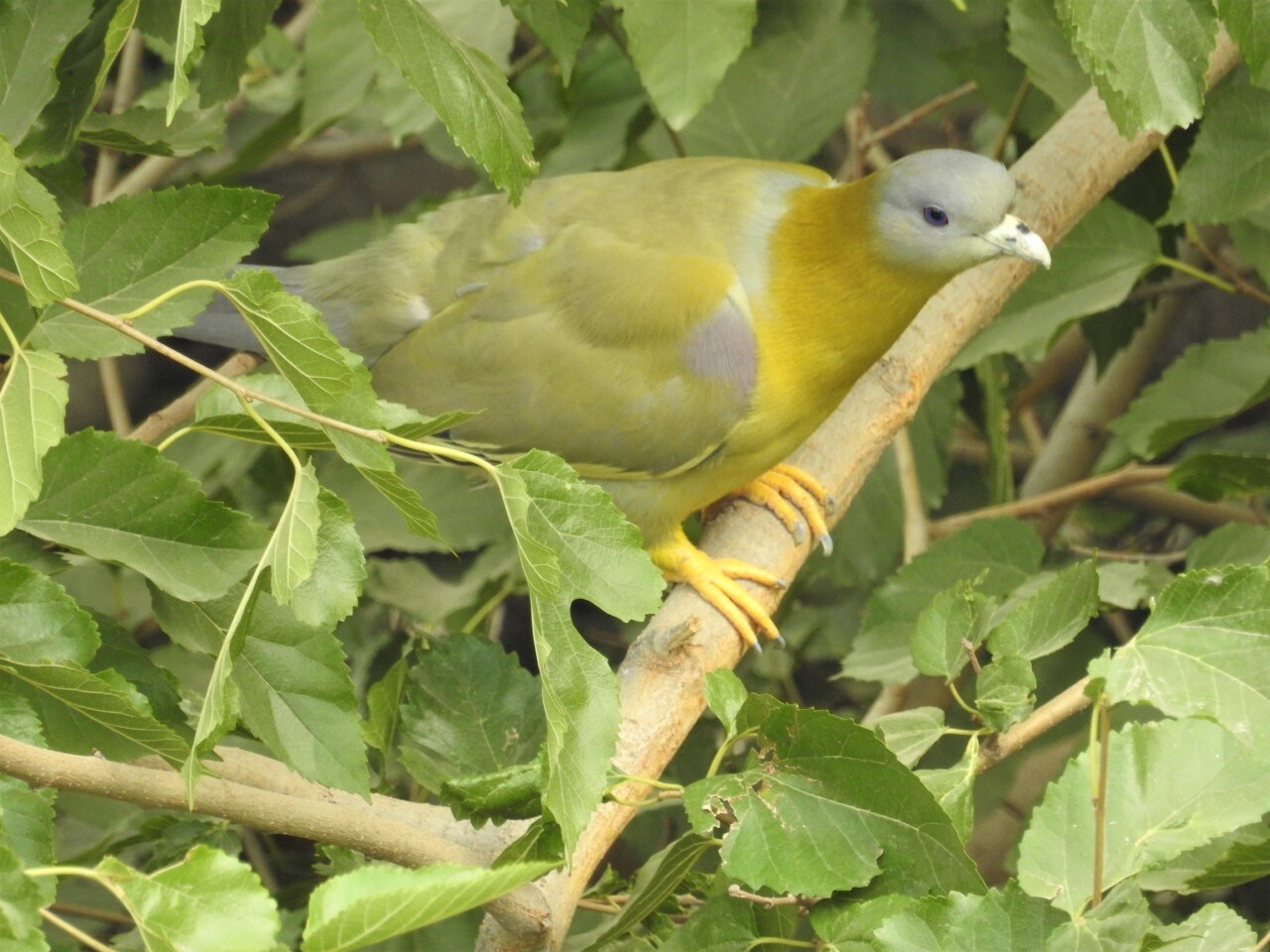
The Painted Stork, a long, elegant waterbird with a beak-like a sword, has dabs of hot pink near the end of its body—looking precisely like raspberry swirls made by a flat brush. The Snakebird isn't just another waterbird—its curving, sinuous neck looks like a snake with its head up. The female House Sparrow has a fine line drawn from her eye to the back of her head. The Yellow-footed Green Pigeon is a green-coloured pigeon with bright neon yellow feet, but it also has lilac shoulder patches. And, pink and purple eyes.
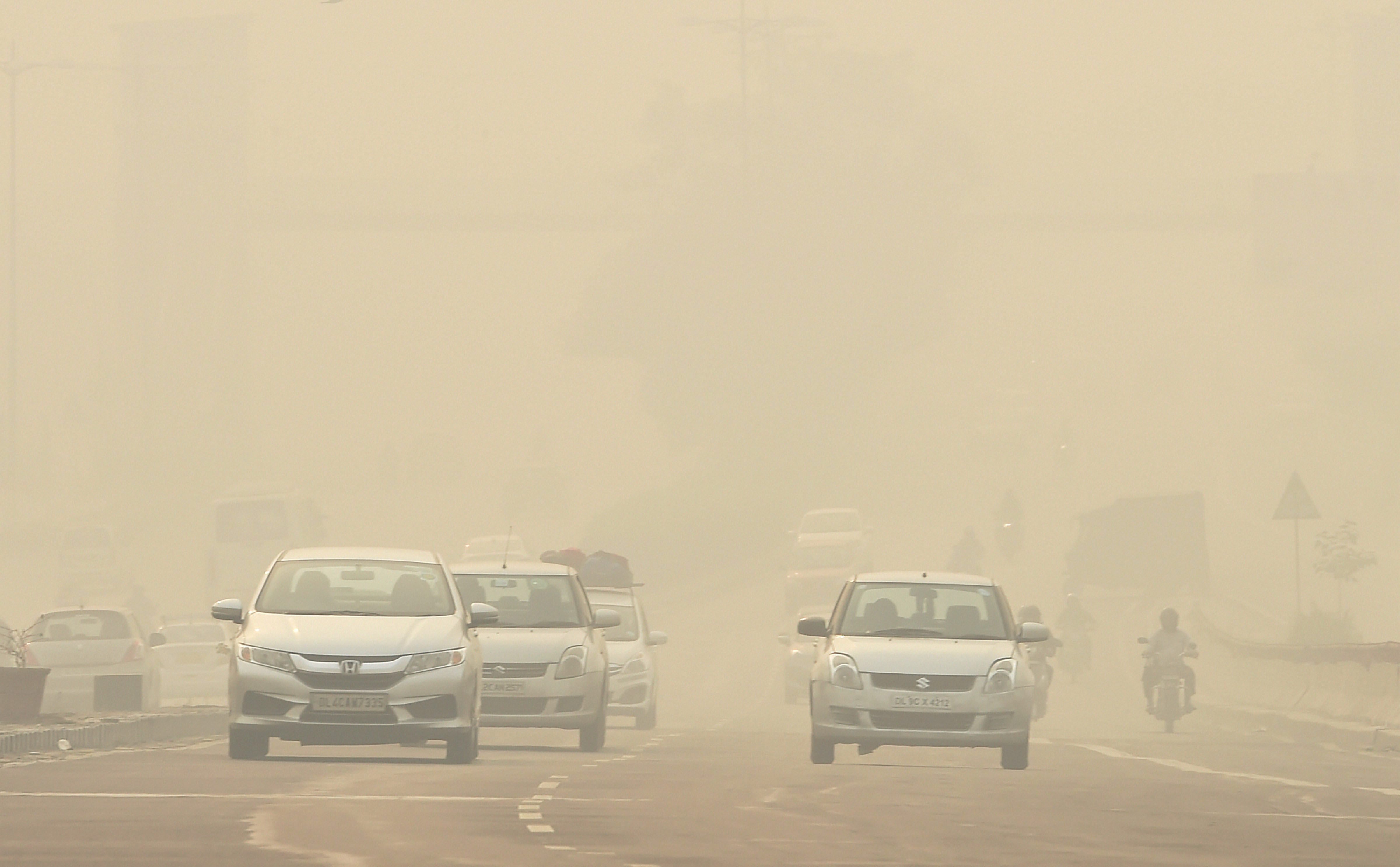
But it's hard to see purple eyes on a green pigeon when smog settles over cities.
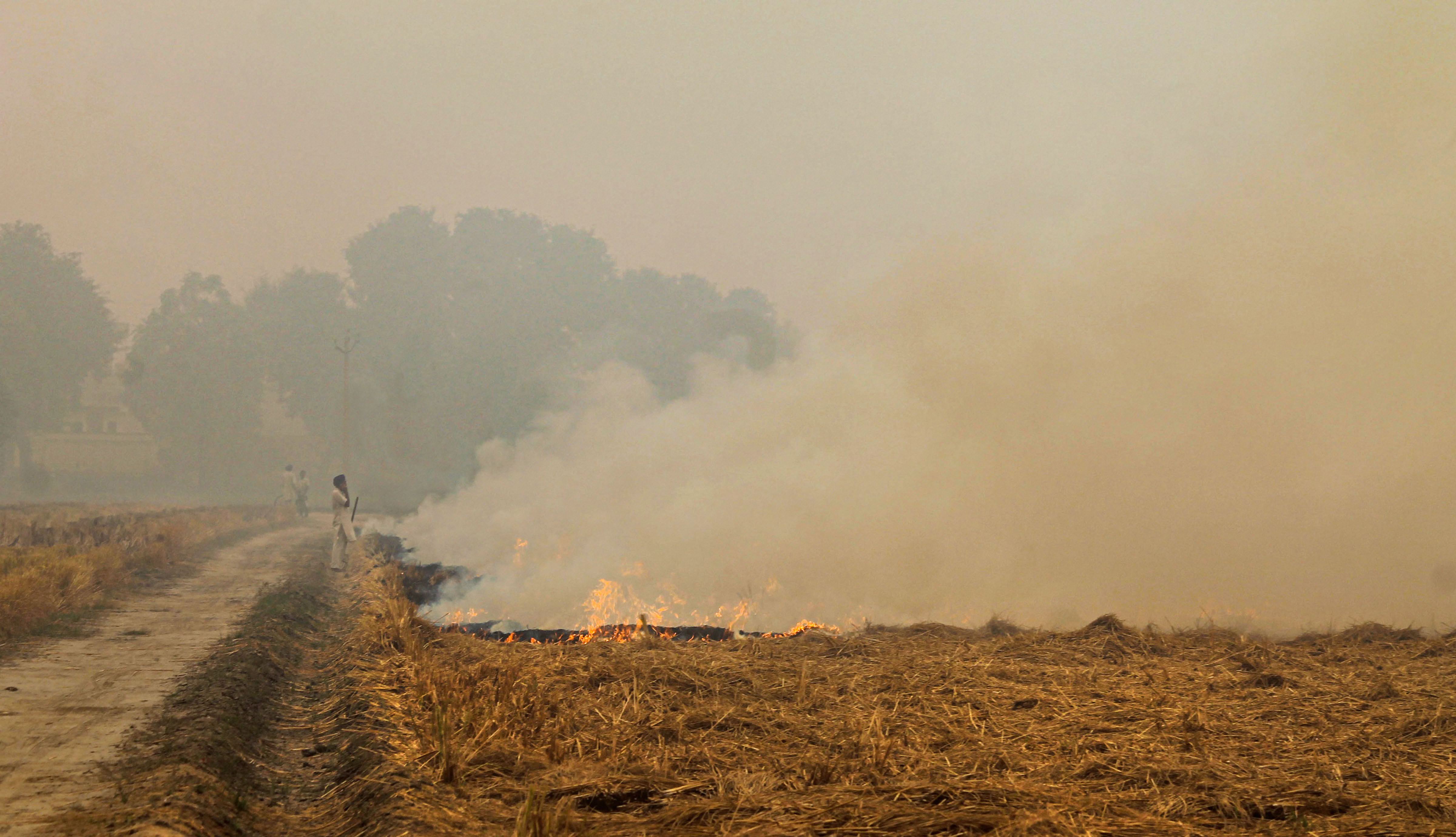
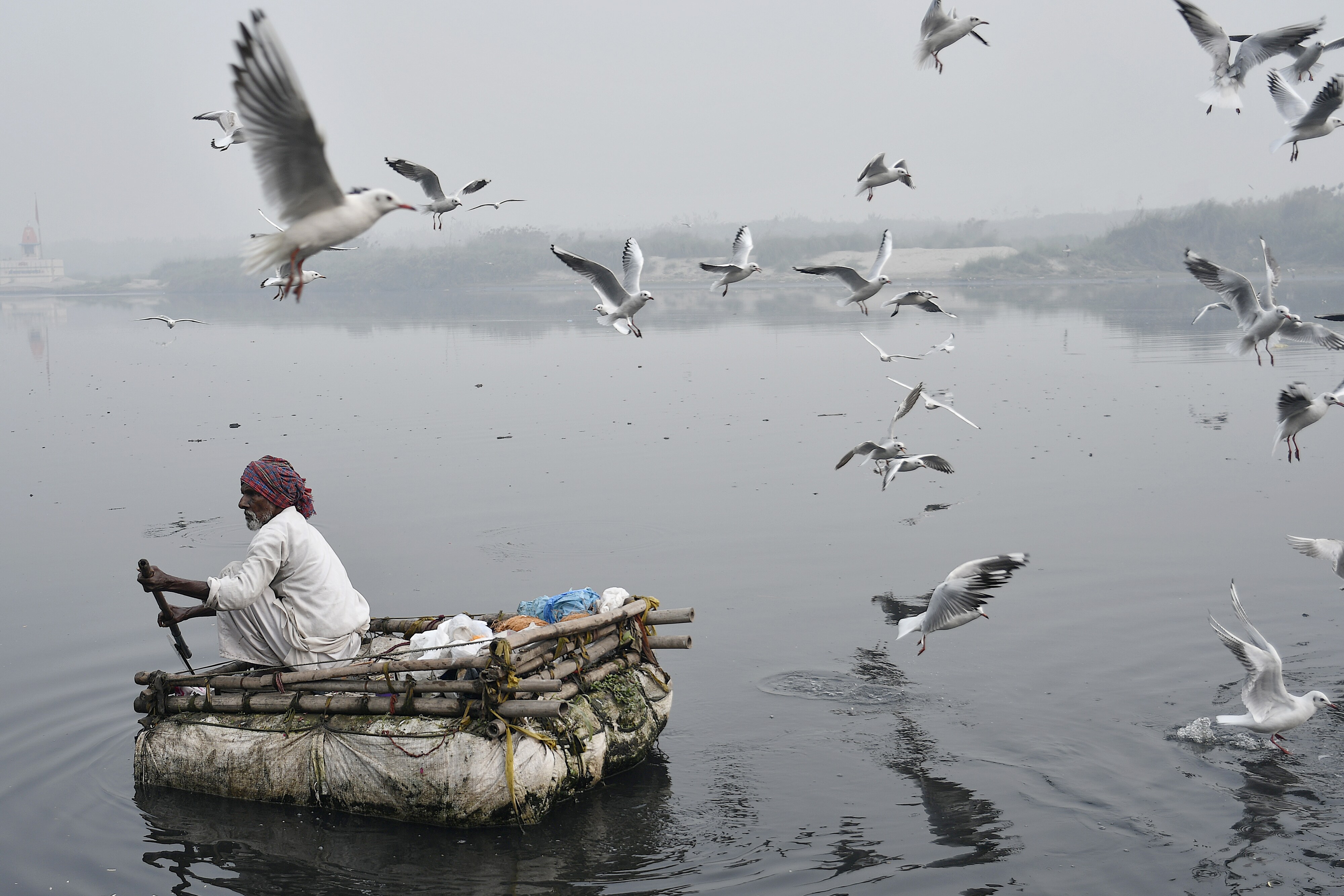
Air pollution impacts our breathing and lungs; yet one of the biggest problems, the least-talked about, is also how the haze stops us from seeing real colour, real texture, and real detail.
When we take a picture, we are effectively lifting grit off our eyes. We are forcing a spotlight on a portrait, a landscape or a selfie. Wildlife is a difficult subject. there is no studio and no control. The movement that your subject—whether an insect or tiger—makes a pose you want to capture, the light may shift and the subject blurs into darkness. If the subject isn't against the light, backgrounds like leaves or water-waves may shift. For wildlife-lovers in India's most polluted places, capturing wildlife photos has meant using photo filters liberally to clear the haze that finds itself as the subject of the photo as much as the wild animal.
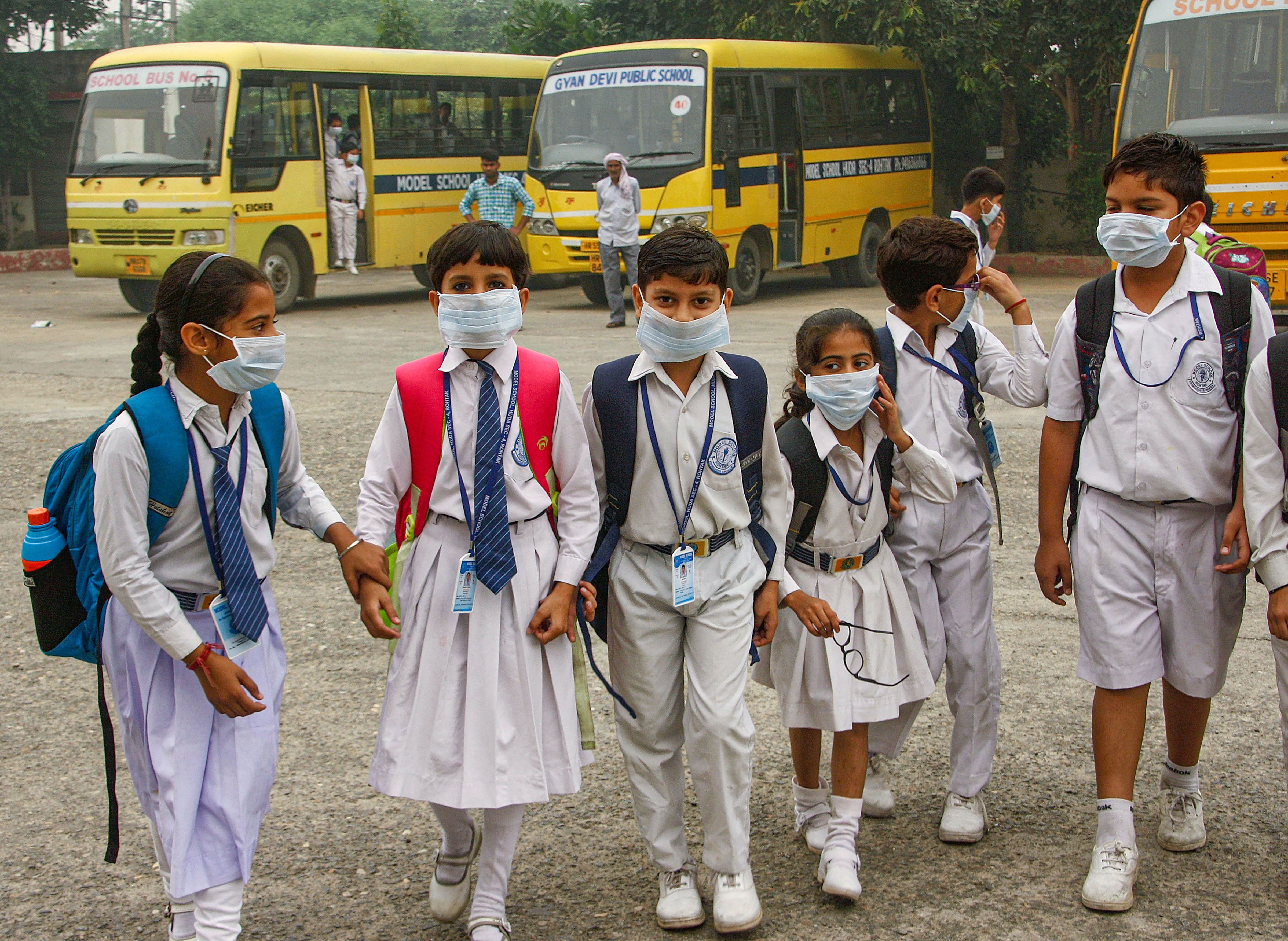
We are the generation that is living with chronic environmental degradation. Life will never be the same for us, and no generation before us has known so many chronic environmental problems. We check the Air Quality Index like checking the time or the weather. Children wear masks to school, more life-saving than any tie, coat, belt or other piece of uniform can be.
We plan marathons based on pollution predictions; and vacations not during summer breaks, but when air pollution is likely to be the worst, such as on Diwali.
Delhi: A 'Run for Children' was flagged off in the national capital earlier this morning. pic.twitter.com/TzdGNt92HA
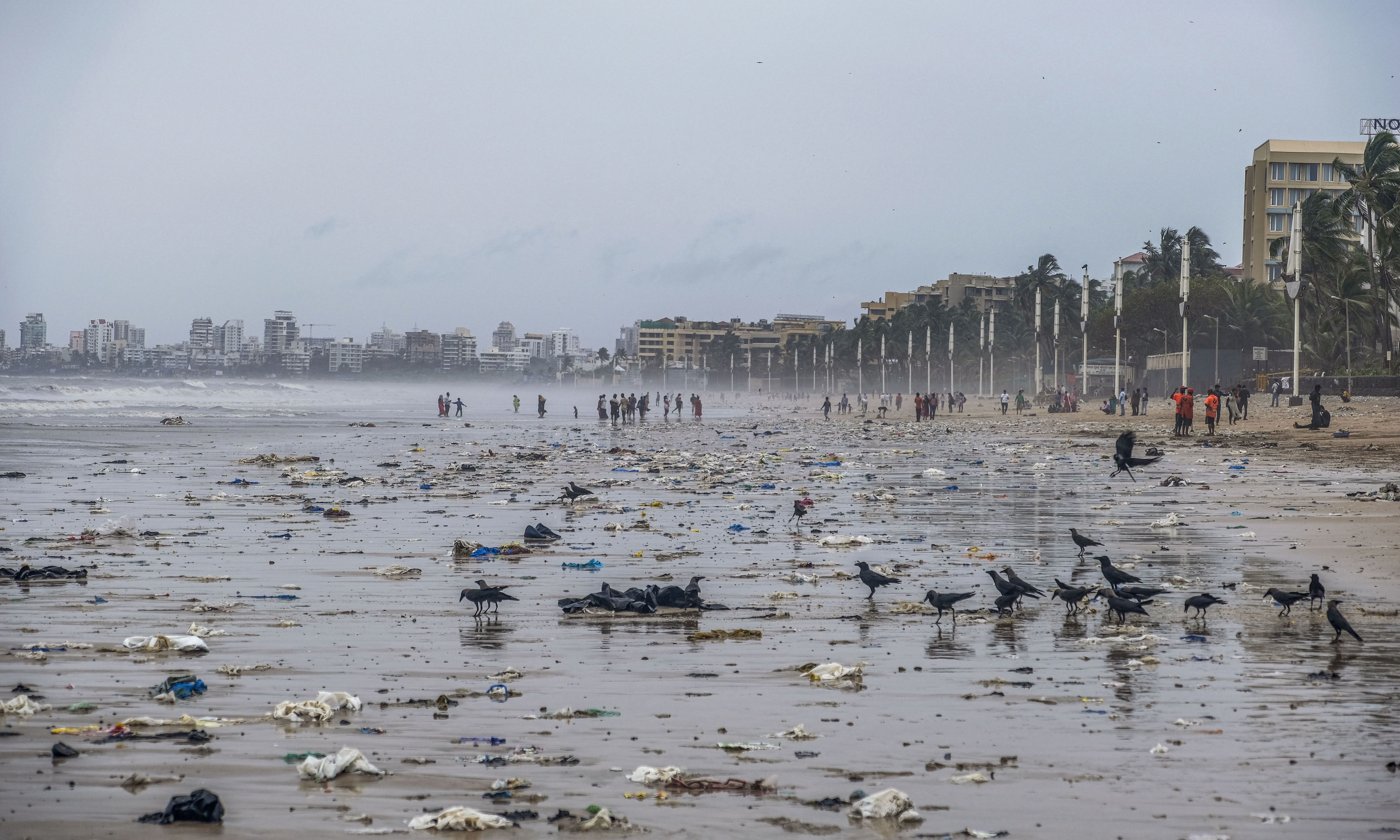
We know as gospel fact you can't swim in Mumbai's waters, even if it has flamingos and dolphins. In this sub-tropical country, we have learned to put on the lights on days when the sun can't shine through the haze.
New pollution hotspots are now emerging as industrial sites shift. A vast swathe of the area falls under very poor or severe air quality, exposure to which leads to respiratory ailments as per the Central Pollution Control Board. As an example, the AQI in Delhi (which gets maximum media attention) is 450 as I write this. But this is not the peak, others are close. Panipat is at 458, Hisar is at 445. To the East, Patna is at 300, towards the North, Bhatinda is at 366. Just around Delhi, the smog thickens; Noida at 445, Ghaziabad at 447, Greater Noida at 440. And the pollution doesn't just go away – it disperses, affecting more places.
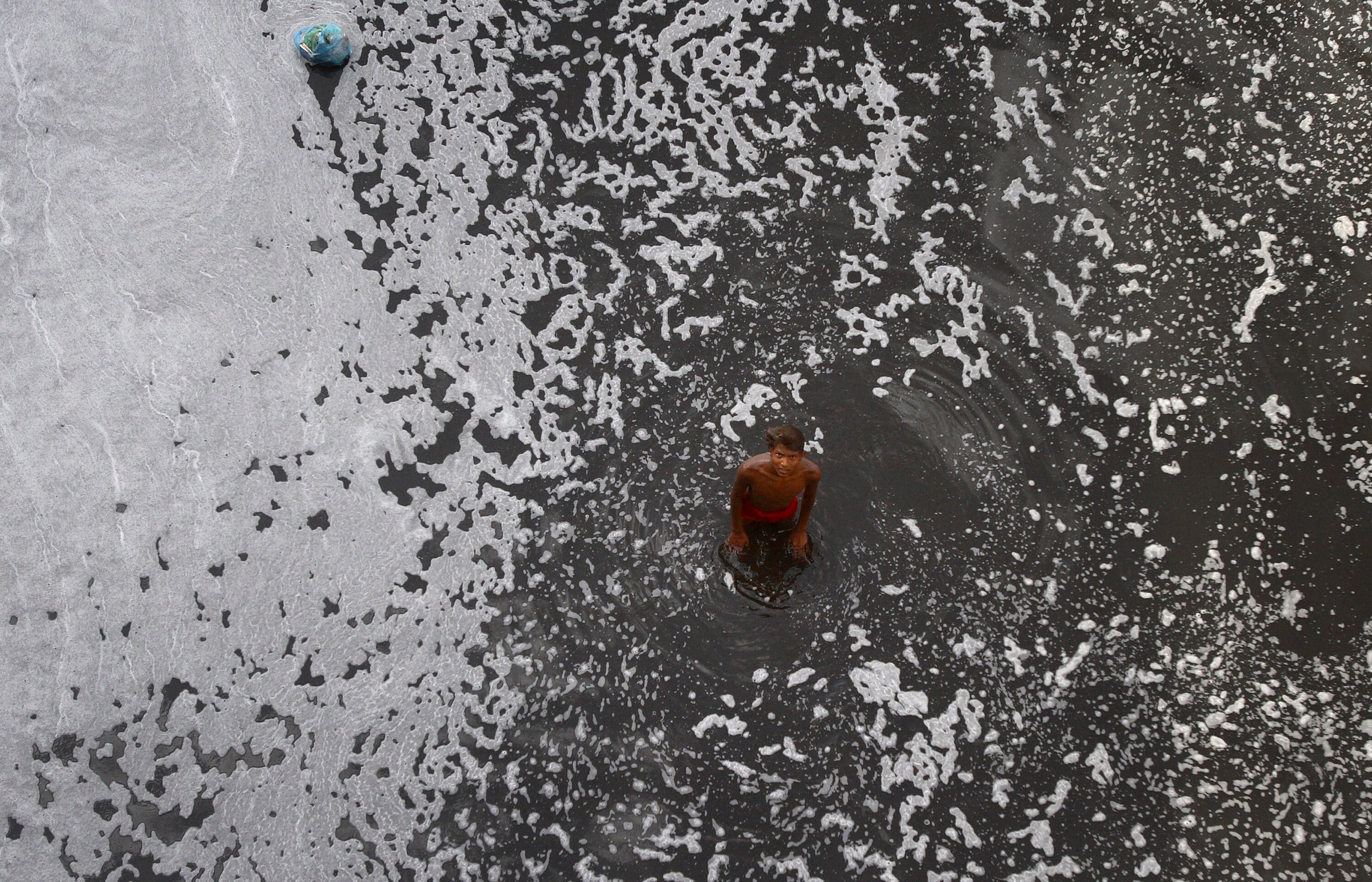
We are also the generation that lives with news of mass deaths. More than 1,000 migratory birds have died in Rajasthan's Sambhar lake (unofficial figures are above 5,000 deaths). Poisoning—and toxic water—is suspected. This is an issue of concern as it is just the beginning of the migratory season, and unless the cause is checked thousands more birds could die. This also comes on the heels of the deaths of 31 Demoiselle cranes in Alwar, Rajasthan. The irony is that these birds – redshanks, cranes, avocets, plovers and sandpipers, came to India from Eurasia, journeys that are hundreds of kilometres long. On the subject of water, we have been taught to drink water from mineral water bottles and not taps, to not swim in ponds, to not touch the water in the Yamuna or drink ‘Ganga jal'.
The London Smog, chiefly of the 1950s, was a result of coal fires, cold temperature and industrial activity, and was a pop culture character in itself. Its yellowed cover provided inspiration for literary and film works, with mystery, mythology and seduction. Screen adaptations of Sherlock Holmes had the angular Holmes stride through the fog; the more recent Penny Dreadful characterises London's Victorian morality through a sickening, cold fog.
But in actual life, the smog led to the Clean Air Act of 1956 in Britain.In India, the Air Act of 1981 has been inefficient with hardly any convictions. As the generation living now, we know this – air and water legislations are paper tigers that everyone happily flouts.
New research on environmental degradation is worrying, suggesting vehicular air pollution increases risk of brain cancer, while other reports say air pollution impacts every organ of the body.
But, we already know this. Politicians pretend they don't know. Any further information may just be noise to our saturated minds.
The question is: what do we do about it? Here, I need to go back to being able to see. Pollution robs us of clarity. It is a fog on the senses and our organs, a layer of grime on trees, and grit on our air filters. It prevents us from seeing the azure blues of skies, the turquoise on the Indian Roller and the vista of real life. But don't let it make you forget what real colour in the world looks like.
We live what I call a ‘viewer's' existence – we are able to view and binge-watch; but not able to observe something if it's not tagged as entertainment or in our screens as saturated colour. Observing nature rather than just viewing content is a mindfulness technique as well as an avenue of colour.
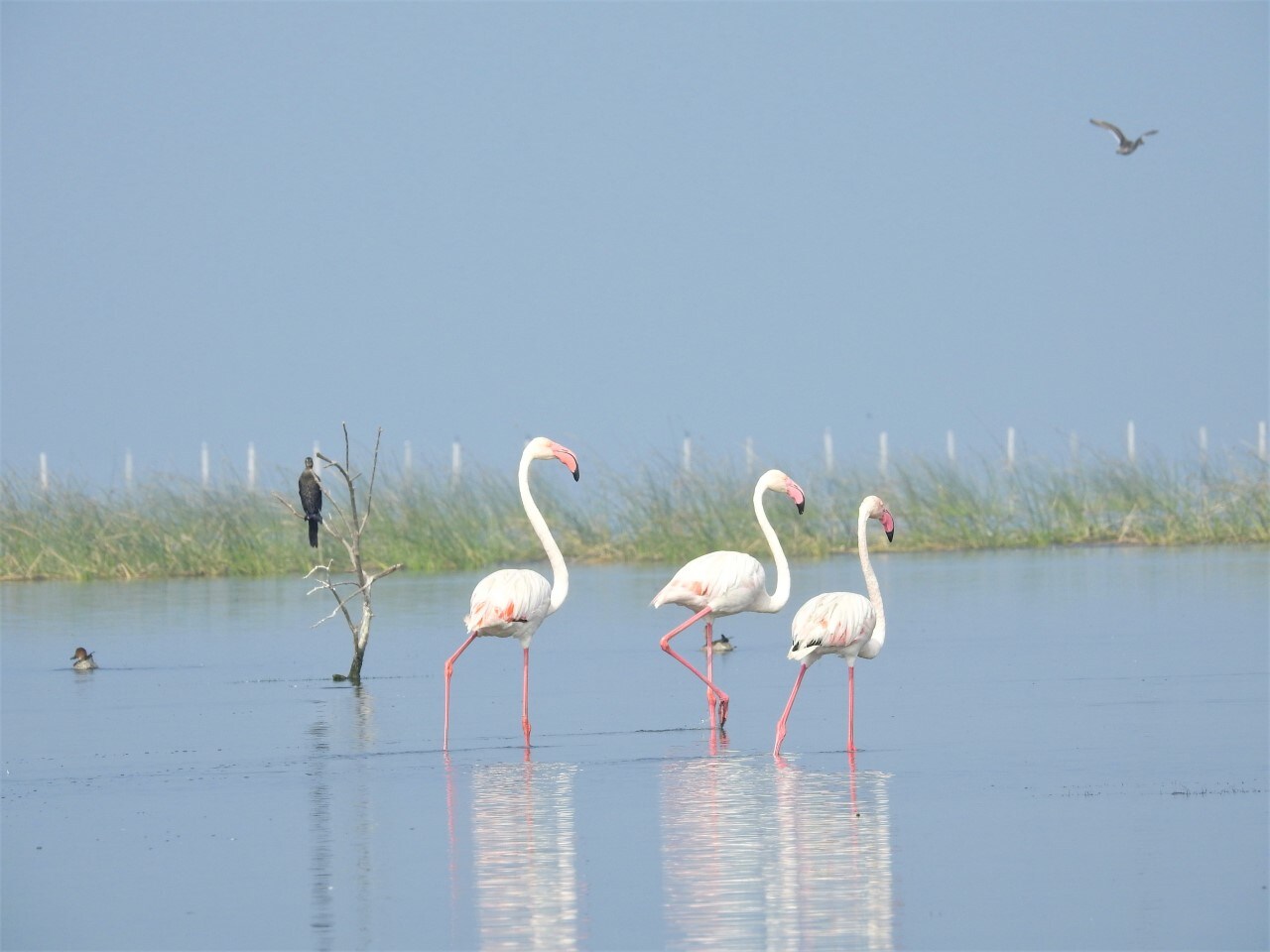
Life would be a lot less colourful without the pink-and-white Greater Flamingo in Sewri, the raat-ki-raani blossoming at night in the shabbiest of places, and the squirrel nesting on a tree visible from the fourth floor of an apartment complex.Don't let the degradation of the environment numb you – indeed this is the time when we must ask for a restoration of air, water and soil in all schemes. This would mean greater attention paid to sewage systems (to avoid contamination), preventing distribution losses in electricity (to avoid digging for more coal), zoning cities with parks, wetlands and unimpeded coastlines, preserving and planting trees and vegetation as public good, taking the view of citizens before polluting industries or ‘redevelopment' comes up, and asking for restoration as an election issue.
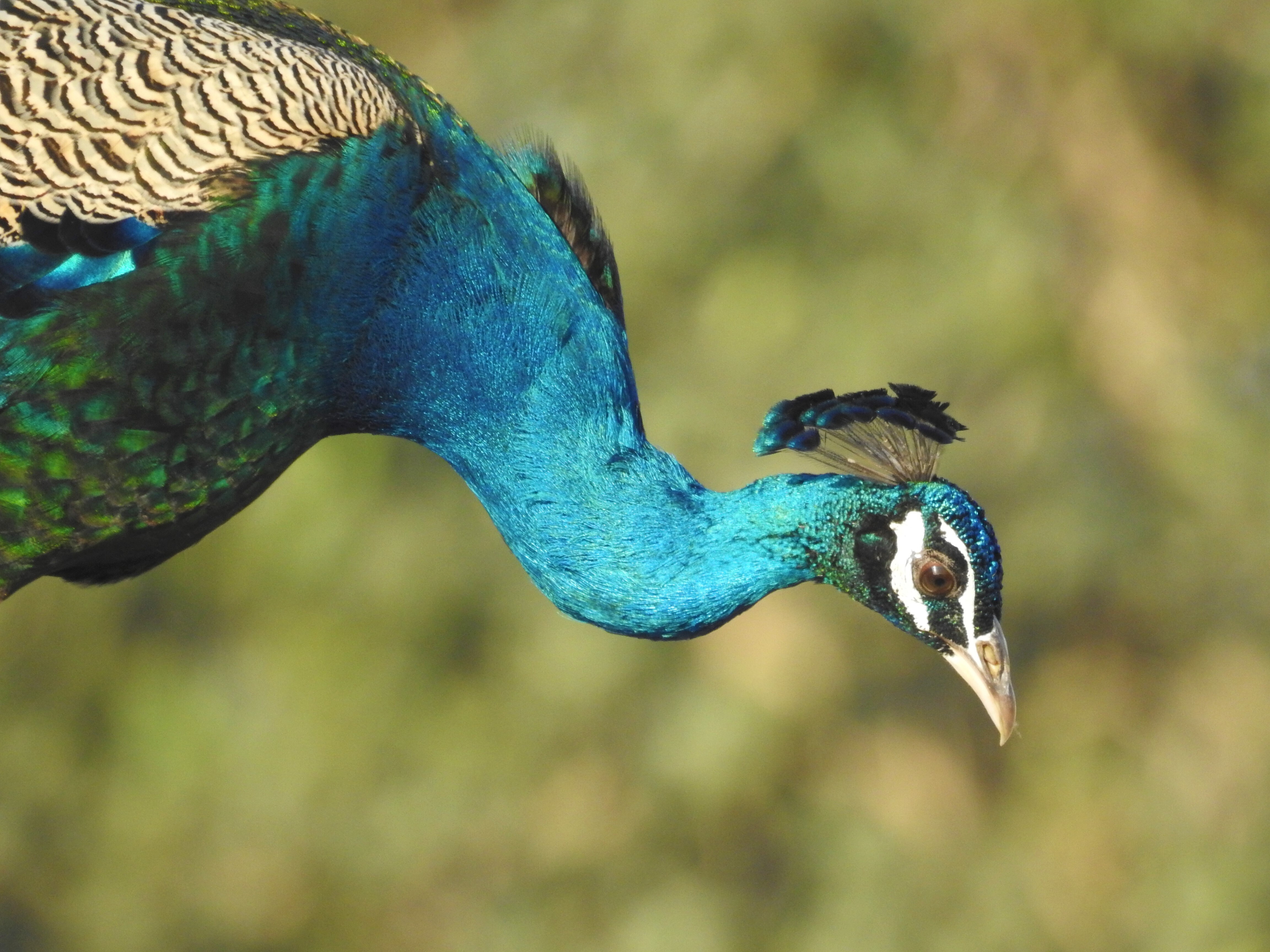
When we observe things as children, things seem larger, more exaggerated and vivid. A peacock would be a burst of silver, making children believe the bird is carrying coins or eyes on its body. A delicate flower is a spell in which a little creature can sleep. As we get older, the grit settles, metaphorically. Colour becomes logical, and cynicism becomes everything.
Birdwatching in the world's most polluted place though, teaches me that I must wipe the grit off my camera and my vision.
If not now, when?
Neha Sinha works with the Bombay Natural History Society.
Views expressed are personal. The views expressed here are those of the author and do not necessarily represent the views of BloombergQuint or its editorial team.
Essential Business Intelligence, Continuous LIVE TV, Sharp Market Insights, Practical Personal Finance Advice and Latest Stories — On NDTV Profit.