(Bloomberg Gadfly) -- Debt-laden Chinese real-estate developers struggling to raise capital have a new way to go "asset-light" -- selling asset-backed securities based on rents.
Apartments are for living, not speculation, the Communist Party concluded at this year's twice-a-decade congress. In just six years, prices in the 30 largest cities have doubled, making housing unaffordable for the likes of migrant workers and university graduates.
China is now eager to develop a rental market. Shenzhen pledged to convert 1 million rural units into rentals, while big cities such as Shanghai and Beijing agreed to sell land specifically for apartment projects. In September, the city sold four plots earmarked for rentals to Shanghai Real Estate Group Co., a state-owned entity, at a reserve value of 1.7 billion yuan ($256 million). That land would fetch 20 billion yuan if developed for sale, HSBC Holdings Plc estimates.
Rental yields in big cities are as low as
1.5%
Developers have held back, however, because rental properties tie up too much capital. China Vanke Co., which operates 20,000 units in 21 cities under the Port Apartment brand, says the payback period is approximately five to eight years. Rental yields -- just 1.5 percent or so in tier one cities -- are unattractive. Selling homes in this bull market, on the other hand, brings instant payback. The developers, loaded with debt, don't want to do quite so much "national service."
So Beijing is adding sweeteners in the form of asset-backed securities -- the notorious sausages stuffed with mystery meat that helped trigger the global financial crisis a decade ago. In October, Poly Real Estate Group Co., China's sixth-largest developer by sales, got the green light to raise 5 billion yuan in securities backed by its rental properties.
This was noteworthy because Poly was the first traditional developer to take advantage of the policy. Before that, only professional rental operators, a much smaller segment, sold the securities, and those issues were rare.
That these sophisticated instruments will be listed on the Shanghai Stock Exchange is the more remarkable considering that the last time developers managed to sell shares there was in 2014. Not only that, their onshore bond issues have more than halved as China tries to curb their appetite for capital.
Bankers are getting excited. Already, securities backed by auto loans are taking off, with a record 80 billion yuan sold this year, backed by the Chinese operations of global players.
But Chinese developers aren't Ford Motor Co. or Toyota Motor Corp., which have global reputations. They're desperate and addicted to expansion. The three biggest stock market winners this year -- China Evergrande Group, Sunac China Holdings Ltd. and Kaisa Group Holdings Ltd., which trade in Hong Kong -- are also living closest to the edge, and inspiring others.
Worried about China's Minsky moment? Beijing is more concerned with optics. It can't allow 245 million migrant workers to feel the pinch every day. As for new sources of financial risks, that's a problem for another day.
This column does not necessarily reflect the opinion of Bloomberg LP and its owners.
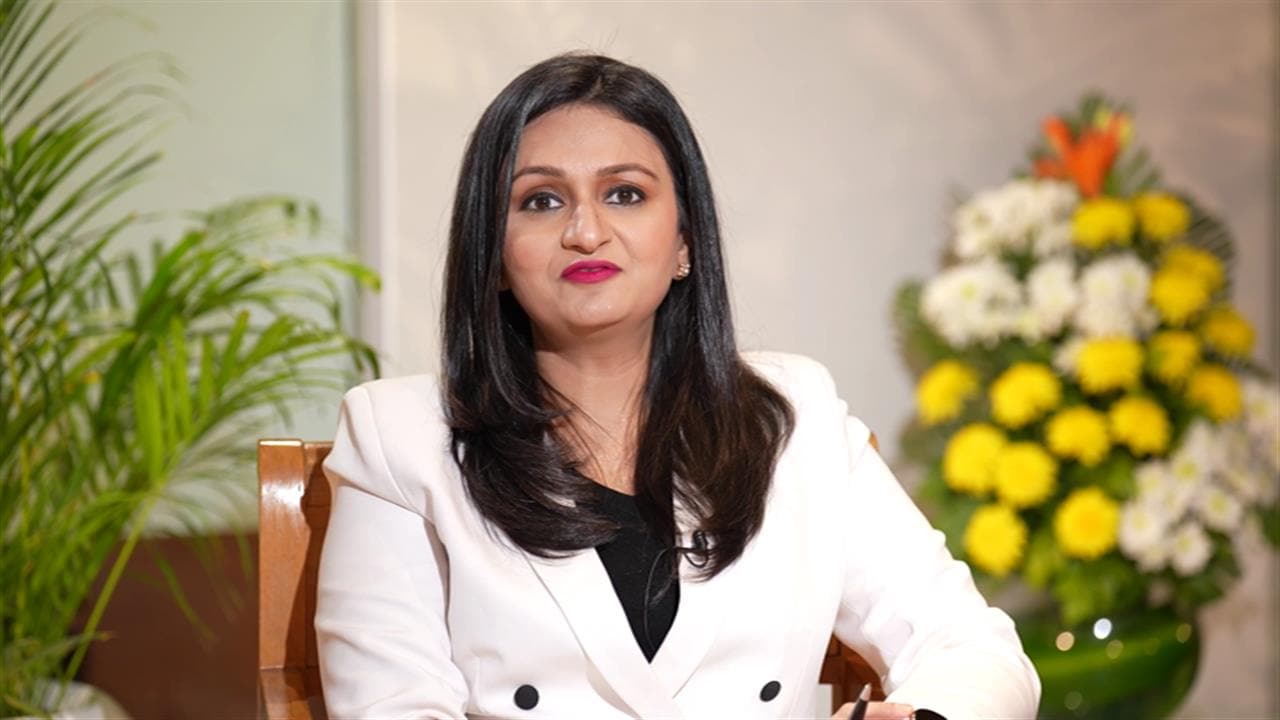
Shuli Ren is a Bloomberg Gadfly columnist covering Asian markets. She previously wrote on markets for Barron's, following a career as an investment banker, and is a CFA charterholder.
To contact the editor responsible for this story: Paul Sillitoe at psillitoe@bloomberg.net.
©2017 Bloomberg L.P.
Essential Business Intelligence, Continuous LIVE TV, Sharp Market Insights, Practical Personal Finance Advice and Latest Stories — On NDTV Profit.