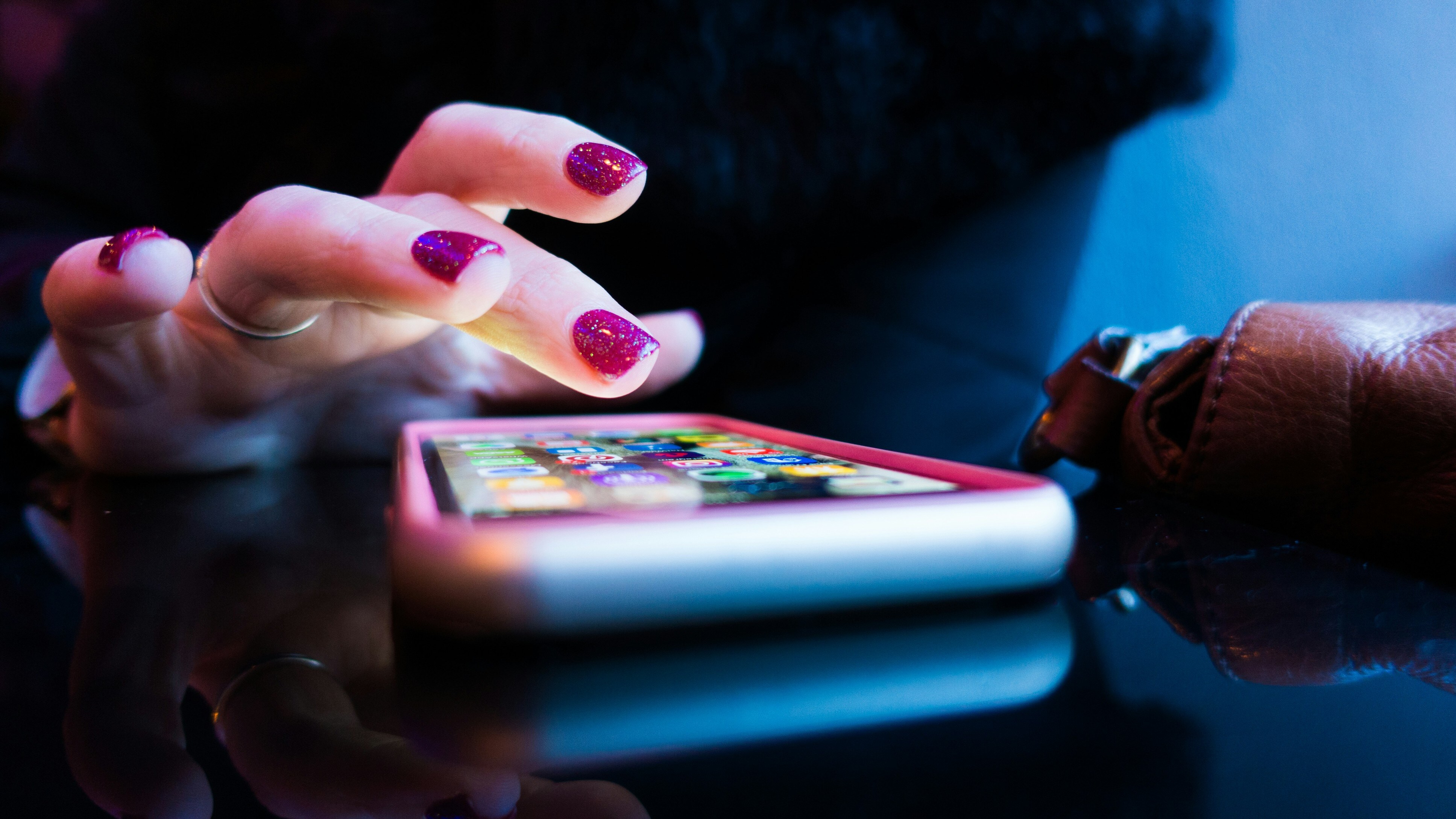
In a new research, data collected via a mobile app, including voice recordings and body movements, was found to help researchers develop new tests for detecting dementia.
They said the newly developed testing method is 'comparable to gold-standard methods' and could detect frontotemporal dementia (FTD) - a common cause of dementia - at the genetic level before symptoms start.
The smartphone app, developed by the researchers in collaboration with a software company, included tests of executive function, such as planning and prioritising, filtering distractions and controlling impulses. Executive functioning is known to degrade as FTD advances.
"We developed the capability to record speech while participants engaged with several different tests," said first author Adam Staffaroni, clinical neuropsychologist and associate professor in the Department of Neurology, University of California San Francisco, U.S.
"We also created tests of walking, balance and slowed movements, as well as different aspects of language," said Staffaroni.
The team said patients having this condition are believed to be most responsive to early treatment, ideally before symptoms start to emerge. Multiple variants of FTD are known to occur - one brings about dramatic personality shifts, including apathy, impulsivity and socially inappropriate behaviour, another affects movement, and a third impacts speech, language and comprehension.
However, most patients are diagnosed "relatively late in the disease, because they are young, and their symptoms are mistaken for psychiatric disorders," according to Adam Boxer, professor in memory and aging at the UCSF Department of Neurology, and senior author of the study published in The Journal of the American Medical Association Network Open.
For the study, the researchers tracked 360 participants with an average age of 54 enrolled in ongoing studies, of whom about 90% had app data on disease stage. These participants included those not having FTD or were gene carriers presenting no symptoms, those displaying early signs, and those presenting symptoms.
The team found the tests to be as sensitive as clinical evaluations employed to diagnose the disease.
"Eventually, the app may be used to monitor treatment effects, replacing many or most in-person visits to clinical trials' sites," said Staffaroni.
While the team has no current plans of making the app public, they said that such assessments could pave the way for new trials of 'promising' therapies.
Essential Business Intelligence, Continuous LIVE TV, Sharp Market Insights, Practical Personal Finance Advice and Latest Stories — On NDTV Profit.