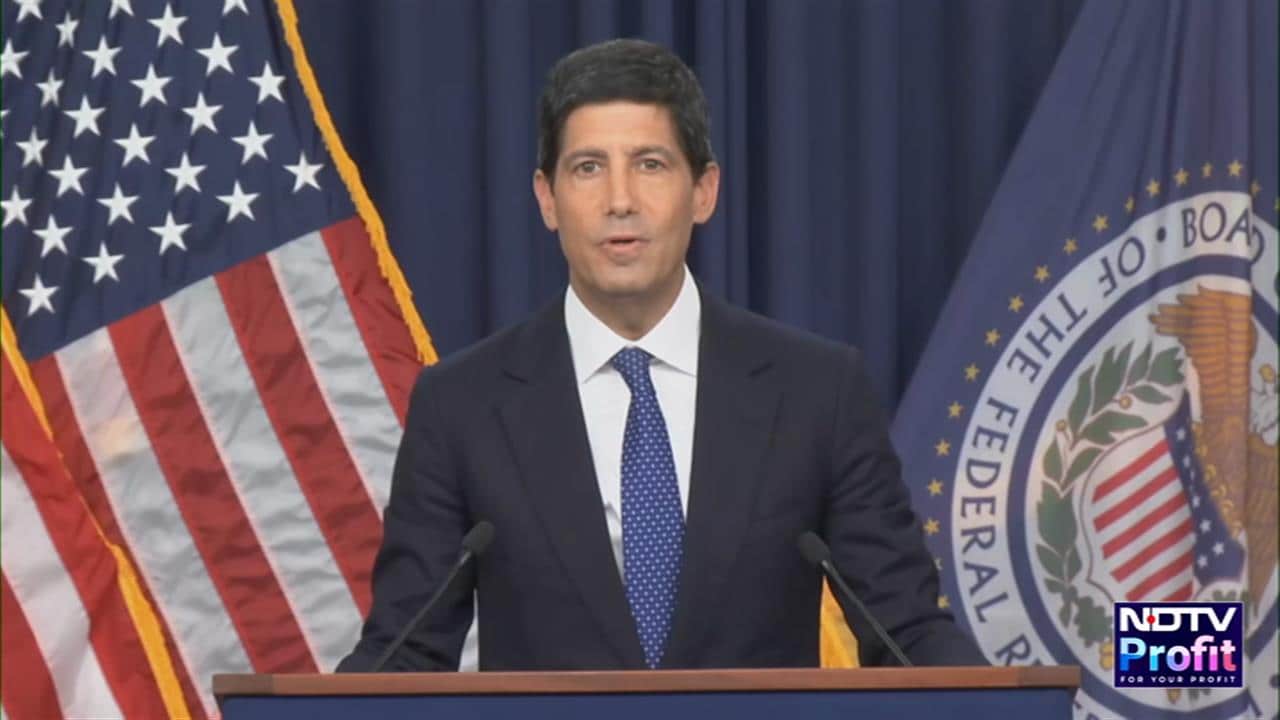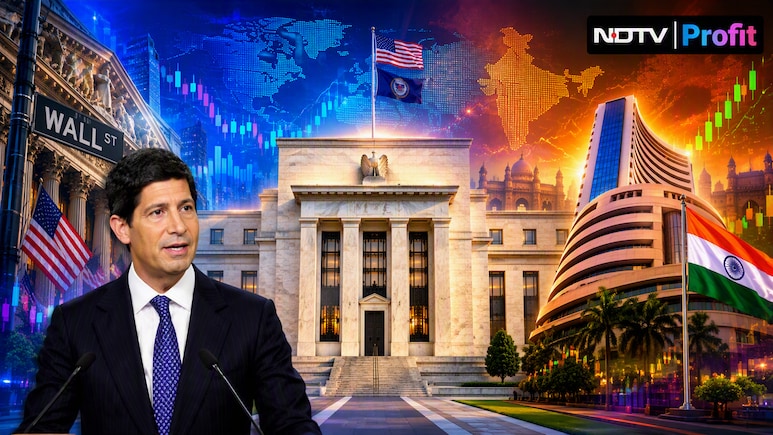
The US Federal Reserve raised its benchmark policy interest rate by 25 basis points to 3.75–4% for the first time in three years, broadly in line with Wall Street estimates amid inflationnary pressures from geopolitical risk premium. The Federal Open Market Committee (FOMC), in its third meeting under the chairmanship of Kevin Warsh, voted unanimously to hike the federal funds lending rate.
Fed's monetary policy verdict was driven by concerns over inflation, which has stayed above Fed's medium-term target of 2%. Going further, FOMC expects more tightening in terms of the policy framework. The rate hike was the first policy shift under the new US Fed chair, who took office in May on Trump's selection over rate cut hopes. "Inflation remains elevated. Today's policy action will support a timelier return to the committee's 2% goal," the central bank said in its statement, at the end of the two-day policy meeting.
ALSO READ: Gold Plunges 3% From Day's Highs, Silver Slumps As Warsh's Hawkish Signal Spooks Bullion Investors
Also Read | Layoffs Are Rising In Tech, But These Skills Are Helping People Unlock Better Pay
Updated quarterly economic projections showed 16 of 18 Fed policymakers anticipate at least one more quarter-percentage-point hike by the end of this year, with two of them seeing rates remaining stable from here. Some policymakers also indicated they saw upside risks to inflation that they no longer described as largely arising from one-off supply shocks.
US Fed Rate Hike Implications
Rate futures markets reflect about a 90% probability of a follow-up quarter-percentage-point rate hike by the end of this year, according to CME Group's FedWatch. The Fed's policy statement and projections show the interest rate rising to the 4.00%-4.25% range by the end of this year and ending 2027 at the same level. Wall Street closed lower, while the US 10-year Treasury yield remained near 5%, underscoring concerns that borrowing costs could stay elevated for longer.
The US dollar strengthened broadly and yields on two-year US Treasury notes, highly influenced by Fed's policy rate expectations, shot to the highest in more than two years after the release of the policy statement and projections. The 10-year Treasury yield has risen approximately 100 basis points from its February lows, including about 50 basis points since July.
ALSO READ: Dow Plummets 750 Points As Fed Chair Warsh's Hawkish Talk Wipes Out Initial Wall Street Cheer
"FOMC hiked rates by 25 bps and guided for one more hike in CY 2026. This will help in bringing down inflation to 2% goal and restore the FOMC credibility. In FOMC assessment economic activity is expanding at solid pace driven by productivity gains, robust capital investment and strong job gains,'' said Deepak Agrawal, CIO- Debt & Head Products, Kotak Mutual Fund.
''Based on Fed Dot plot, Fed is likely to stay on hold through 2027 with likely easing in 2028. Given FOMC commitment to bring down inflation to 2%, shall support the long term bond yields. Rising crude and inflation along with increasing global interest rates may also guide the India MPC to raise rates by 50 bps,'' said Agrawal. US Fed Chair Kevin Warsh, speaking during the post-policy press conference, called the unanimous rate hike the "right decision''.
How will the Indian stock market move after US Fed's verdict?
Indian equities are likely to open on a flat note, with GIFT Nifty trading near 23,217. While a pullback in Brent crude to around $104.7 a barrel from its recent high offers some marginal relief, the Federal Reserve's rate hike and indication of further tightening could keep markets volatile and limit any immediate recovery, according to Hariselvan Radhakrishnan, Founder & CEO of HST Wealth.
For India, higher US interest rates could strengthen the dollar, pressure the rupee and weigh on foreign investment flows into emerging markets. The latest domestic inflation data, released earlier this week, showed consumer price inflation rising to 4.82% in August from 4.45% in July, adding to concerns over the inflation outlook and the RBI's monetary policy stance.
''Elevated domestic inflation and higher global borrowing costs could delay expectations of monetary easing, keeping funding costs elevated and limiting scope for valuation expansion. The market's next directional move will depend partly on whether US bond yields stabilise around current levels. A further rise in yields or a rebound in Brent crude towards $108–110 could revive selling pressure, while softer yields and crude prices slipping further below $104 may support short covering,'' he said.
According to Ponmudi R, CEO of Enrich Money, Indian markets are likely to remain vulnerable after the US Federal Reserve raised, while signaling the possibility of another increase later this year. The hawkish stance, aimed at addressing inflationary pressures—including those linked to elevated oil prices—has pushed US Treasury yields higher and strengthened the dollar, with index trading around 100.35. ''In India, the 10-year government bond yield remains elevated near 7.09%, reflecting pressure from higher global yields, elevated crude oil prices and continued weakness in the rupee,'' said Ponmudi R.
Essential Business Intelligence, Sharp Market Insights, Practical Personal Finance Advice, Daily Fuel, Gold and Silver Prices and Latest Stories — On NDTV Profit.