Retail investors turned net sellers in direct equities in 2025, marking the first such instance in nearly five years following the Covid-led market recovery, even as overall participation in financial markets continued to expand.
Data from the NSE annual report shows retail investors recorded net outflows of Rs 8,461 crore in direct equities in 2025 (as of Dec. 19), reversing the steady inflows seen since 2020.
The shift comes despite headline indices ending the year with gains. As of Dec. 23, 2025, the BSE Sensex was up 9.5% year-to-date, while the Nifty 50 rose 10.7%. However, the rally was uneven, with broader markets under pressure. The Nifty Smallcap 100 declined 5.9%, while the Nifty Midcap 100 rose 6.3%, far below the sharp gains seen in previous years.
Small-, Mid-Cap Correction Triggers Retail Pullback
Market participants said the correction in small- and mid-cap stocks segments with high retail participation played a critical role in the shift.
Kalpen Parekh, MD and CEO of DSP Mutual Fund, said that the steep decline in these segments likely impacted retail investors the most. "A sharp fall in most small and mid-cap stocks could have impacted most retail investors," he said.
G Chokkalingam, founder of Equinomics Research, observed that several small-cap stocks corrected sharply in 2025, with declines ranging between 15% and 45% from their 52-week highs, eroding gains made during the earlier rally and prompting many retail investors to reassess direct stock exposure.
Experts emphasise that retail investors are not exiting equities altogether. Instead, money is moving away from direct stock-picking towards more structured investment avenues.
Parekh notes that the retail outflows from direct equities are relatively modest when viewed in the context of overall market participation. "These numbers are too small. More retail investors are embracing the mutual fund route to invest with discipline, which is reflected in the strong DII flows," he said.
Domestic institutional investors largely driven by mutual funds remained strong buyers, with net inflows of Rs 7.6 lakh crore in 2025, according to NSE annual report data.
This shift suggests retail investors are outsourcing decision-making to professional fund managers amid higher uncertainty, rather than taking concentrated single-stock risk themselves, said Nikunj Saraf, CEO Choice Wealth.
Another factor is profit-booking and rebalancing. Many first-time investors who entered post-Covid are sitting on multi-year gains and are using rallies to reduce exposure, fund personal goals, or rebalance towards safer or more diversified instruments, he added.
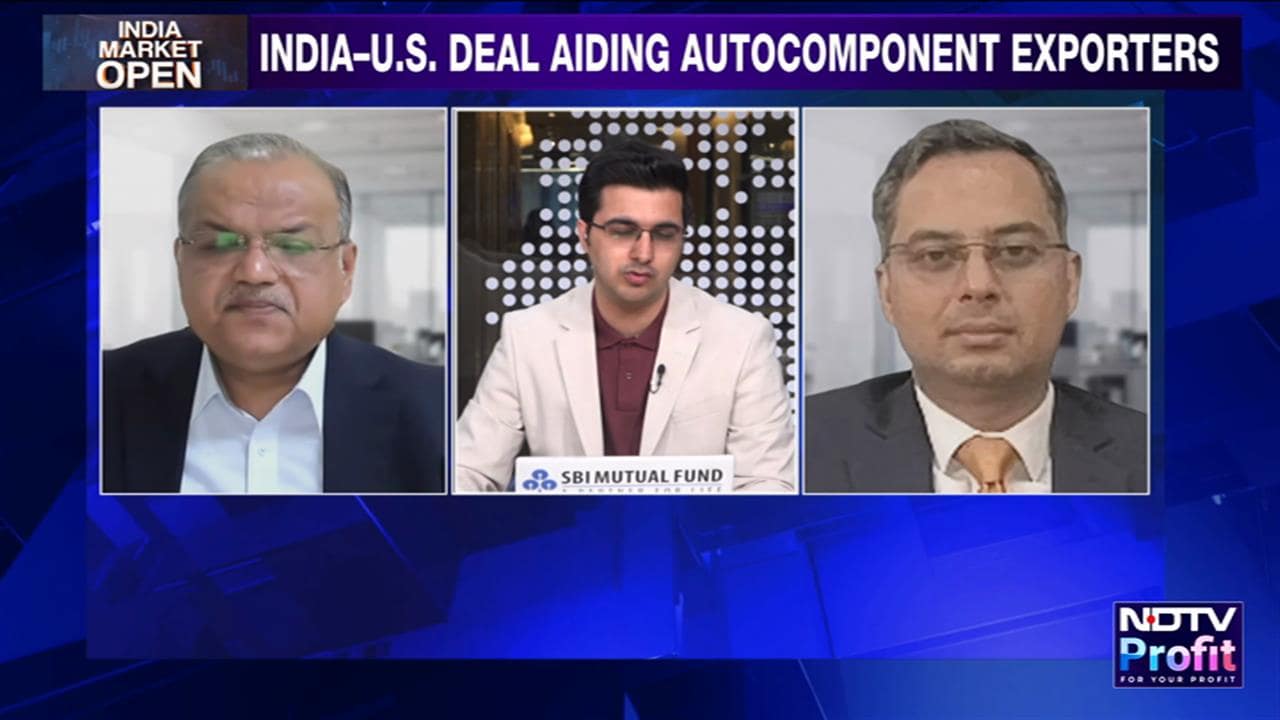
DP Singh, Joint CEO of SBI MF, said the trend reflects a growing realisation among retail investors that mutual funds are better suited for long-term wealth creation. "This is positive for mutual funds as retail investors have realised that mutual funds are the best route for long-term investment," he said.
Singh added that shift is because many retail investors lack access to credible research and often end up following market narratives or herd behaviour while investing directly in stocks.
"Most investors don't have access to quality research reports, which can lead to herd mentality. Mutual fund companies, on the other hand, are backed by strong research processes and hence, the shift can be seen in investors," he said.
This growing preference is also reflected in healthy SIP inflows this year between January to November with Rs 3.04 trillion up by 26% from 2024, indicating that retail investors continue to commit capital to equities, albeit through professionally managed and disciplined routes, he added.
IPO Boom, Gold Rally Divert Retail Money
"The boom in the primary markets also led to a shift of some retail money," Chokkalingam said, adding that strong IPO activity attracted funds that might otherwise have gone into secondary market stocks.
He also pointed to a strong rally in precious metals. "Gold and silver attracted a lot of retail money. There has been a surge of gold ETFs seeing strong inflows," he said. A small portion of investors also opted for physical gold and silver, which competed directly with equity investments.
As per latest AMFI data, gold ETFs continued to witness healthy investor interest in November, recording net inflows of Rs 3,741 crore.
On the contrary, Manish Kothari, CEO & Co-Founder, ZFunds felt that, “This outflow does not point to a meaningful retail exit from direct equities. Net outflows of about Rs 8,400 crore are negligible against cumulative inflows of Rs 4.5 lakh crore over five years. Retail participation in equities through direct stocks, mutual funds, SIPs and ETFs is likely to remain structurally strong in the long run.”
Lastly, with strong mutual fund inflows, resilient SIP contributions, sustained DII buying and continued interest in IPOs and gold suggest that retail investors remain firmly engaged with financial market.
Whether this trend deepens or reverses will depend on market stability and returns in the coming months. Structurally, retail participation in equities remains intact only the route has evolved, and whether this shift proves long-term or temporary will need close monitoring.
Why Multi-Asset Funds Beat Thematic Bets In NFO Scorecard Over 1 Year?Essential Business Intelligence, Continuous LIVE TV, Sharp Market Insights, Practical Personal Finance Advice and Latest Stories — On NDTV Profit.