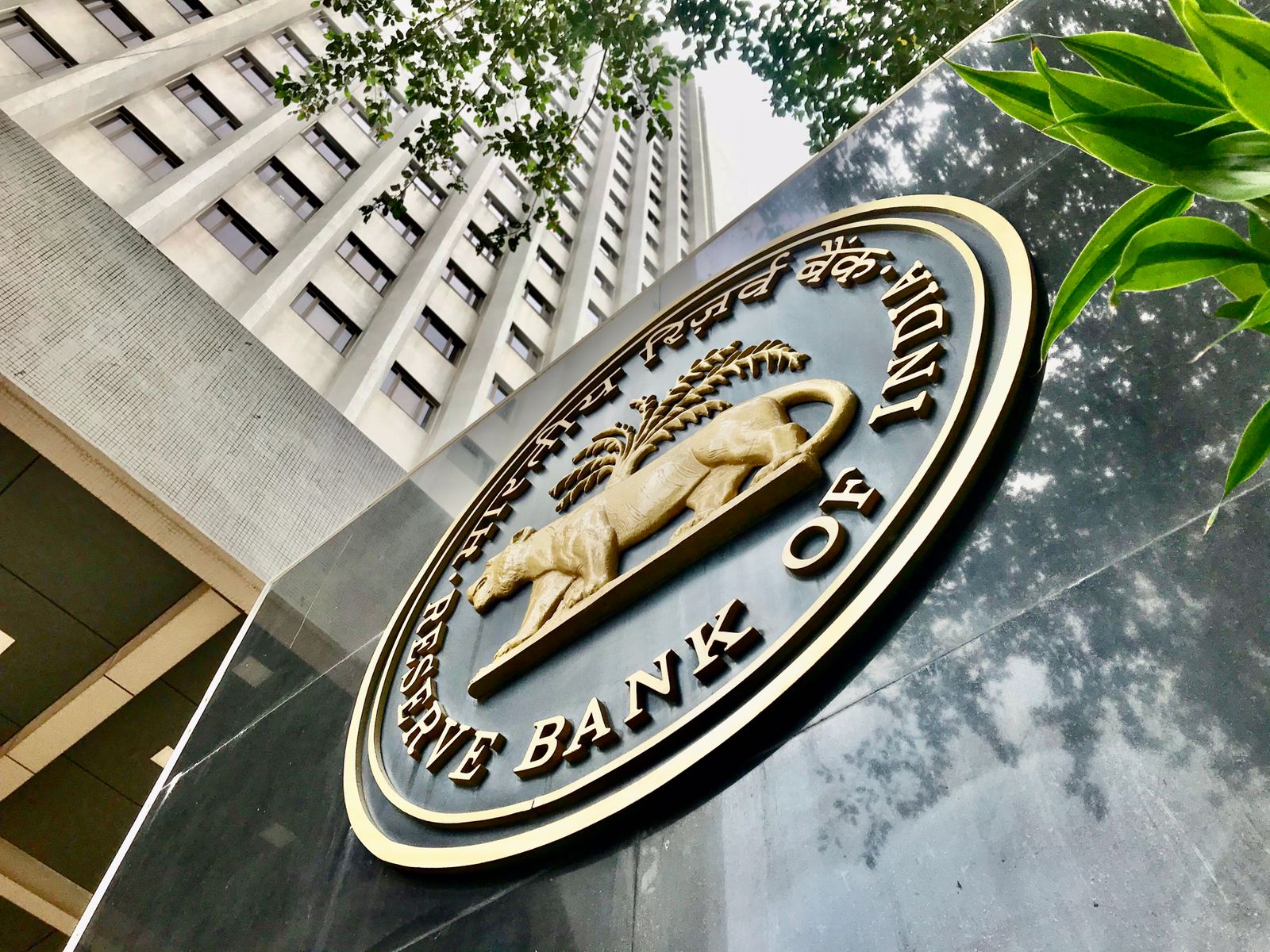
The Reserve Bank of India, at its monetary policy announcement on Friday, proposed the possibility of conducting the sale of government securities through the open market to suck out liquidity from the financial system.
Market participants have perceived it as a clear indication that the central bank intends to keep liquidity conditions tight going ahead, and surprisingly enough. This is also aimed at cushioning risks to price stability and ensuring financial stability.
"Surprisingly, the RBI Governor said that the central bank would seek to actively curb liquidity surplus via g-sec sales rather than rely upon organic factors to do the job in a gradual manner," Vivek Kumar, economist at QuantEco Research, said. "This emphasis on hawkishness underscores the RBI's desire to follow a proactive liquidity management approach rather than a passive one," he added.
Currently, the liquidity deficit in the banking system stands at Rs 34,000 crore, compared with a surplus of Rs 2.5 lakh crore before the RBI's incremental cash reserve ratio move in August.
With the last of the impounded liquidity being released on Saturday, the core liquidity is expected to rise to Rs 3.3 lakh crore, according to Gaura Sen Gupta, economist at IDFC First Bank. Core liquidity refers to the cash and other financial assets, such as government bonds, that banks possess that can easily be liquidated and paid out as part of operational cash flows.
"Looking ahead, liquidity conditions are likely to get progressively tighter with a pick-up in currency leakage from the festival season," Sen Gupta said.
Balancing Liquidity Distribution
RBI Governor Shaktikanta Das pointed out skewed liquidity distribution among banks and advised banks to deploy their excess funds in the inter-bank call money market rather than parking it in the RBI's standing deposit facility. The SDF allows banks to deposit their liquidity with the RBI at a 6.25% rate, i.e., 25 basis points under the prevailing repo rate.
"It is desirable that banks with surplus funds explore lending opportunities in the interbank call market rather than passively parking funds in the SDF at relatively less attractive rates," Das said.
Das mentioned that excess liquidity conditions, sparked by the deposit of Rs 2,000 banknotes, a pick-up in government spending, and capital inflows, have compelled banks running low on funds to tap into marginal standing facilities for their requirements.
The MSF is an emergency borrowing window where banks can borrow funds from the RBI at 6.75%, i.e., 25 bps above the prevailing repo rate.
Cumulatively, banks parked funds worth Rs 2.92 lakh crore in three months starting in July under SDF, RBI data showed. Further, average borrowings under the MSF increased to Rs 94,605 crore in September from Rs 6,702 crore in July.
Banks scrambling for funds to meet overnight demand have elevated short-term rates.
On average, the weighted average call rate spiked to 6.65% in September from 6.48% in July, the RBI data showed. In the second half of September, the weighted average call rate had risen to 6.70% after the I-CRR and advanced tax outflows turned liquidity into a deficit.
Sakshi Gupta, principal economist at HDFC Bank, perceives the announcement of the open market sale of government securities as "a very strong signal" for the market to prepare for tight liquidity conditions.
"I think their objective would be to align the overall call money rate slightly above the repo rate going forward. Liquidity balance would, therefore, be almost micromanaged through various tools," she told BQ Prime.
However, IDFC First Bank's Sen Gupta sees the quantum of the OMO sale as remaining small until October.
While the government bond market is expected to see passive inflows on account of inclusion in the JP Morgan bond index only next year, the global monetary conditions are going to drive the foreign portfolio inflows in the coming months.
Essential Business Intelligence, Continuous LIVE TV, Sharp Market Insights, Practical Personal Finance Advice and Latest Stories — On NDTV Profit.