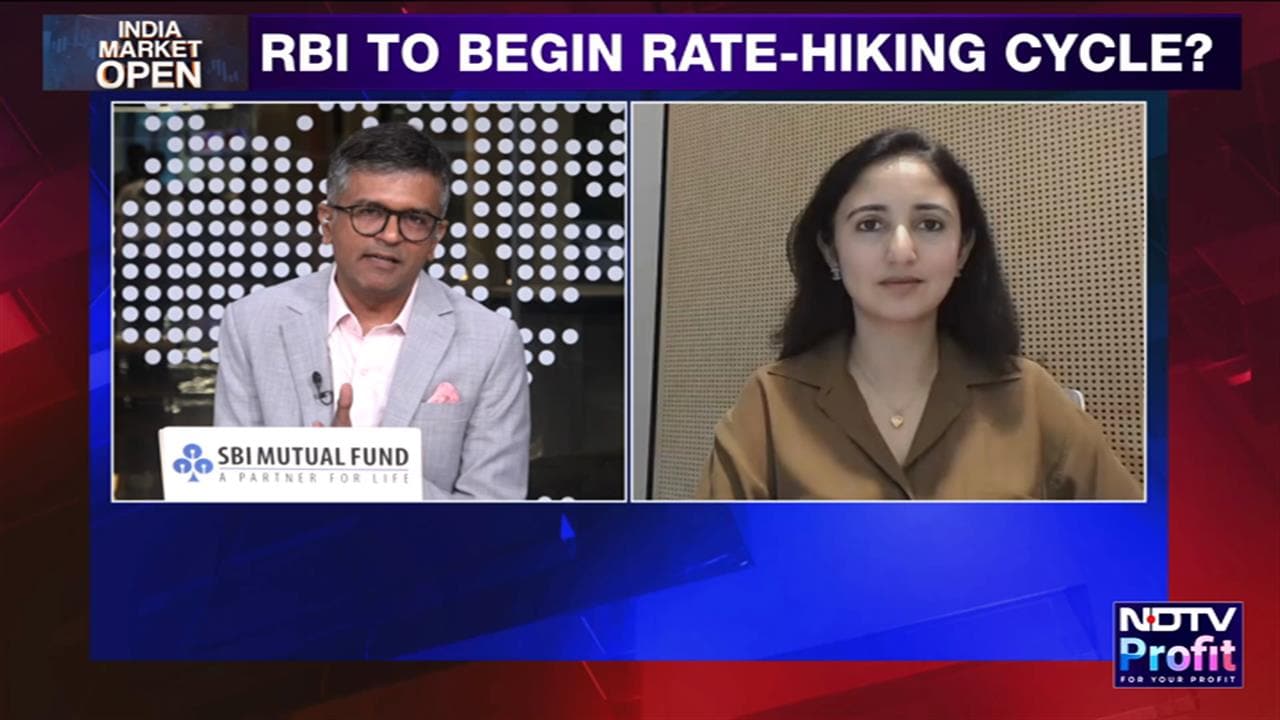
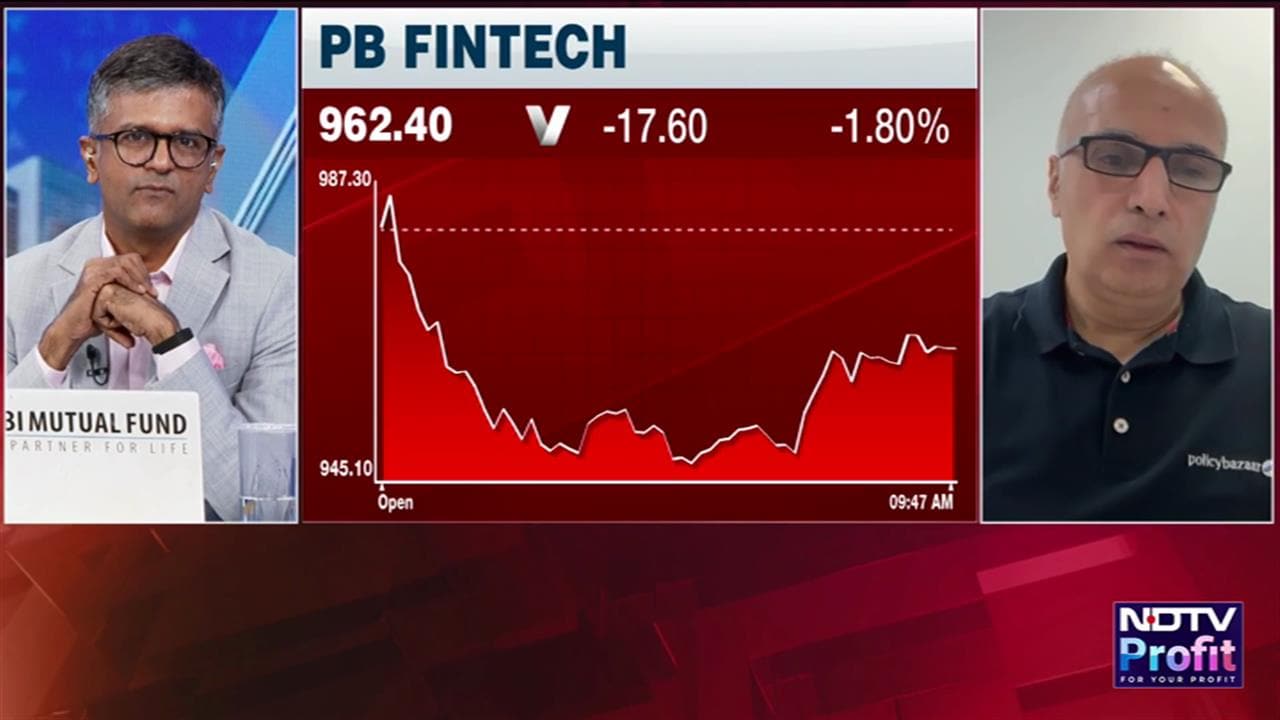
Emerging markets face an increasingly hostile investment environment as rising US yields and tariffs inflate the global cost of capital, while crude oil hovers around $100 a barrel amid geopolitics, war, and the onset of winter. Speaking in an exclusive interview with NDTV Profit, David Roche, veteran global strategist at Quantum Strategy, outlined the mounting macroeconomic fault lines spanning energy markets, sovereign debt in Europe, and shifting capital flows.
In European markets, the premium investors demand to hold French 10-year bonds over safer Germany shot above 150 basis points on Friday, stoking concerns of a broader spillover. The euro's slide gave the dollar an extra lift, adding to support from elevated US Treasury yields and pushing the greenback up 0.5% against a basket of currencies to 102.39. Crude oil continues to hover in the range on $100-105 per barrel amid the ongoing uncertainties.
Oil in a Holding Pattern at $100/Bbl Around US Midterms
Also Read | Layoffs Are Rising In Tech, But These Skills Are Helping People Unlock Better Pay
Addressing the immediate outlook for energy prices, Roche stated that crude oil is currently settling into a holding pattern near the triple-digit mark. He attributed this temporary stability to political calculus in Washington ahead of the US midterm elections, arguing that the administration is reluctant to introduce further disruptions to crude supplies originating from the Persian Gulf before voters head to the polls.
However, Roche cautioned that this price plateau does not signal a cooling of underlying geopolitical friction. Once the midterm elections conclude and additional naval carrier strike groups deploy into position, geopolitical and military escalation could resume, injecting fresh volatility into crude supplies. Brent gave up most of its gains last week while WTI was 1.6% lower after G7 countries agreed on Friday to release 100 million barrels of diesel and crude from emergency reserves and pledged to refrain from energy export restrictions after pressure from US President Donald Trump.
Geographical Winter, War, and the Derivative Crunch
Roche warned that while headline oil prices seem calm, the broader global energy crisis is merely "in pause mode" rather than resolved. As the Northern Hemisphere enters a harsh geographical winter alongside ongoing war risks, severe supply crunches are emerging in refined oil derivatives-specifically diesel, naphtha, and jet fuel. US regulatory interventions and dislocations in derivative contracts are driving up the cost of these critical refined fuels, which Roche noted will continue filtering through into higher global energy and transport costs regardless of where headline crude settles.
French Fiscal Woes: ECB Intervention and European Solidarity
Turning to Europe, Roche addressed escalating concerns surrounding France's sovereign bond market, where benchmark yields have climbed above those of Italy following successive political stalemates, stalled reforms, and widening fiscal deficits projected to push debt-to-GDP levels past 130%-140%. Despite the market treating French sovereign debt with extreme skepticism, Roche dismissed fears of an outright fragmentation of the Eurozone. He underscored two critical safety nets:
- European Geopolitical Solidarity: The collective imperative across European nations to present a united front and defend against security threats from Russia necessitates fiscal alignment and economic cohesion, according to the global market strategist.
- ECB Action on Yields: The European Central Bank possesses specific emergency market-intervention tools designed to purchase the sovereign paper if a member state is deemed unfairly penalized by speculation, pulling sovereign yields back toward regional norms.
Emerging Markets Bearing the Burden of High Capital Costs & US Tariffs
For emerging markets — including relatively well-managed economies like India-Roche outlined a notably difficult and volatile investment backdrop. The primary headwind stems from Washington's fiscal policy and ballooning bond yields, which have raised long-term global borrowing costs by 100 to 150 basis points.
Roche pointed out that emerging markets serve as the principal payers of this burden as well as broader US tariff pressures, as developing economies remain dependent on inward capital flows from advanced nations. With central banks in the US and Japan keeping rates elevated, capital is being pulled away from the developing world, leaving emerging markets vulnerable to tightening liquidity.
Essential Business Intelligence, Sharp Market Insights, Practical Personal Finance Advice, Daily Fuel, Gold and Silver Prices and Latest Stories — On NDTV Profit.