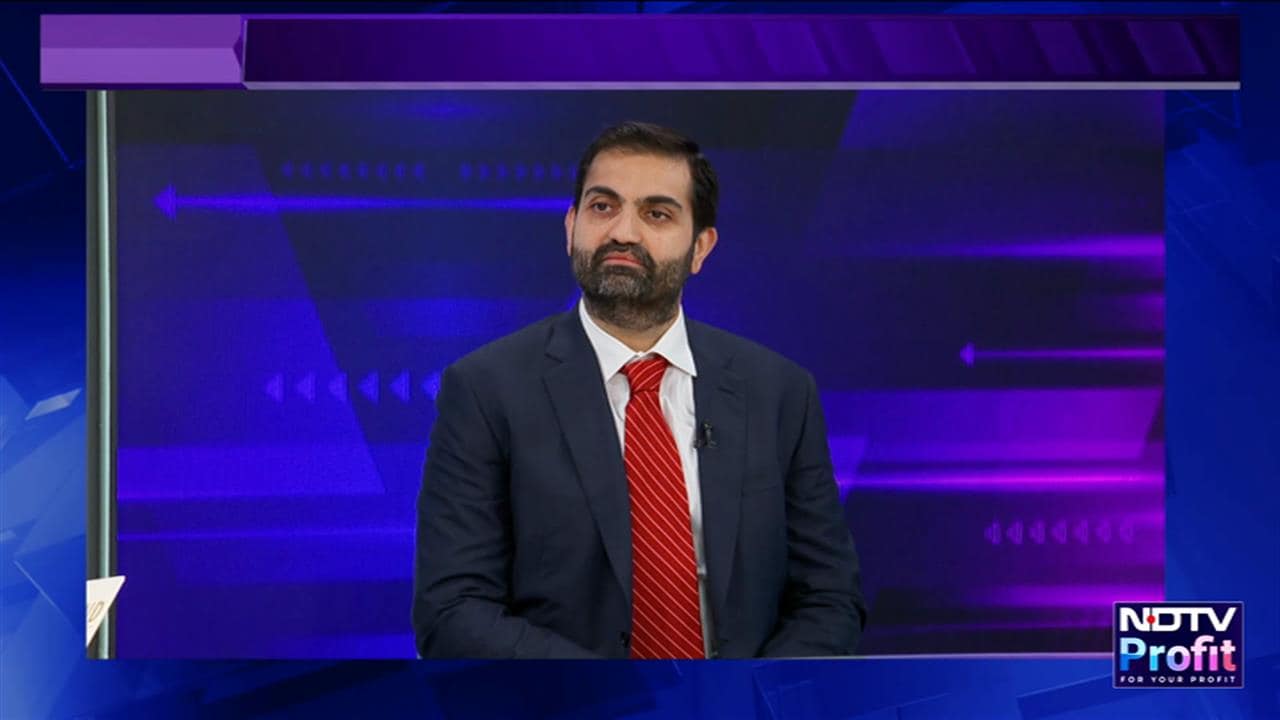
- Avadhut Sathe collected Rs 601 crore in fees without an investment adviser licence
- Sathe's academy gave buy-sell calls, live cues, activities allowed only for registered advisers
- SEBI banned over 15,000 misleading sites and barred prominent unregistered market educators
When the Securities and Exchange Board of India froze Rs 546 crore belonging to trading coach Avadhut Sathe and barred him from the securities market, the headlines focused on the scale of the enforcement action.
But the deeper story lies in the reach he had built outside the regulated system. One unregistered market educator amassed over three lakh clients and collected Rs 601 crore in fees, issuing trading calls without holding an investment adviser licence.
SEBI's interim findings show that Sathe's academy provided buy and sell recommendations, live trading cues and stop-loss levels, which are activities permitted only for registered advisers. A single individual had effectively positioned himself as an alternative to India's formal advisory ecosystem, confirming long-standing regulatory concerns that market influence on social platforms has expanded faster than oversight.
Behavioural finance research explains why such figures gain traction. When financial decisions become complex, individuals rely on shortcuts — likes, testimonials, follower counts — to assess credibility. On digital platforms, these signals substitute for analytical depth, creating a perception of trust that may not reflect competence. Simplified rules, strong narratives and a sense of community often resonate more than sober analysis, even when outcomes are poor.
This dynamic was visible in Sathe's model, which blended motivational messaging with trading strategies and community identity. Emotionally charged content, research shows, tends to spur higher trading activity, reinforcing cycles of engagement that benefit content creators regardless of investor outcomes.
More than 15,000 online content sites spreading misleading market advice were taken down last year. SEBI has also barred several prominent figures from accessing the market, including Mohd Nasiruddin Ansari, who operated under the name “Baap of Chart,” and YouTuber Asmita Jitesh Patel, known online as the “She Wolf.”
In an October 2023 order, SEBI noted that Ansari promoted himself as a stock market expert across multiple platforms, enticing investors to enrol in so-called educational courses while allegedly inducing trading activity by promising near-certain profits.
SEBI has intensified its response. The regulator is using technology to flag violations in real time and has strengthened internal expertise to address sophisticated market abuses, including algorithmic manipulation.
In January this year, SEBI issued fresh restrictions barring social-media market educators from offering stock tips as part of its investor protection framework. Claims about assured returns or past performance are prohibited, and the rules extend to advertising, branding and third-party promotions.
India's regulatory challenge now centres on three clear gaps. First, the line between “education” and “advice” cannot hinge on self-description. Once stock-specific recommendations are provided, advisory regulations must apply, disclaimers notwithstanding.
Second, supervision needs to account for investor outcomes, as global evidence shows that attention-driven trading typically erodes value for late participants. Third, financial literacy must evolve beyond product awareness to information literacy, helping investors recognise conflicts of interest, emotional manipulation and survivorship bias.
SEBI Board Meeting: Regulator To Discuss Overhaul Of MF, Brokerage Rules On WednesdayEssential Business Intelligence, Continuous LIVE TV, Sharp Market Insights, Practical Personal Finance Advice and Latest Stories — On NDTV Profit.