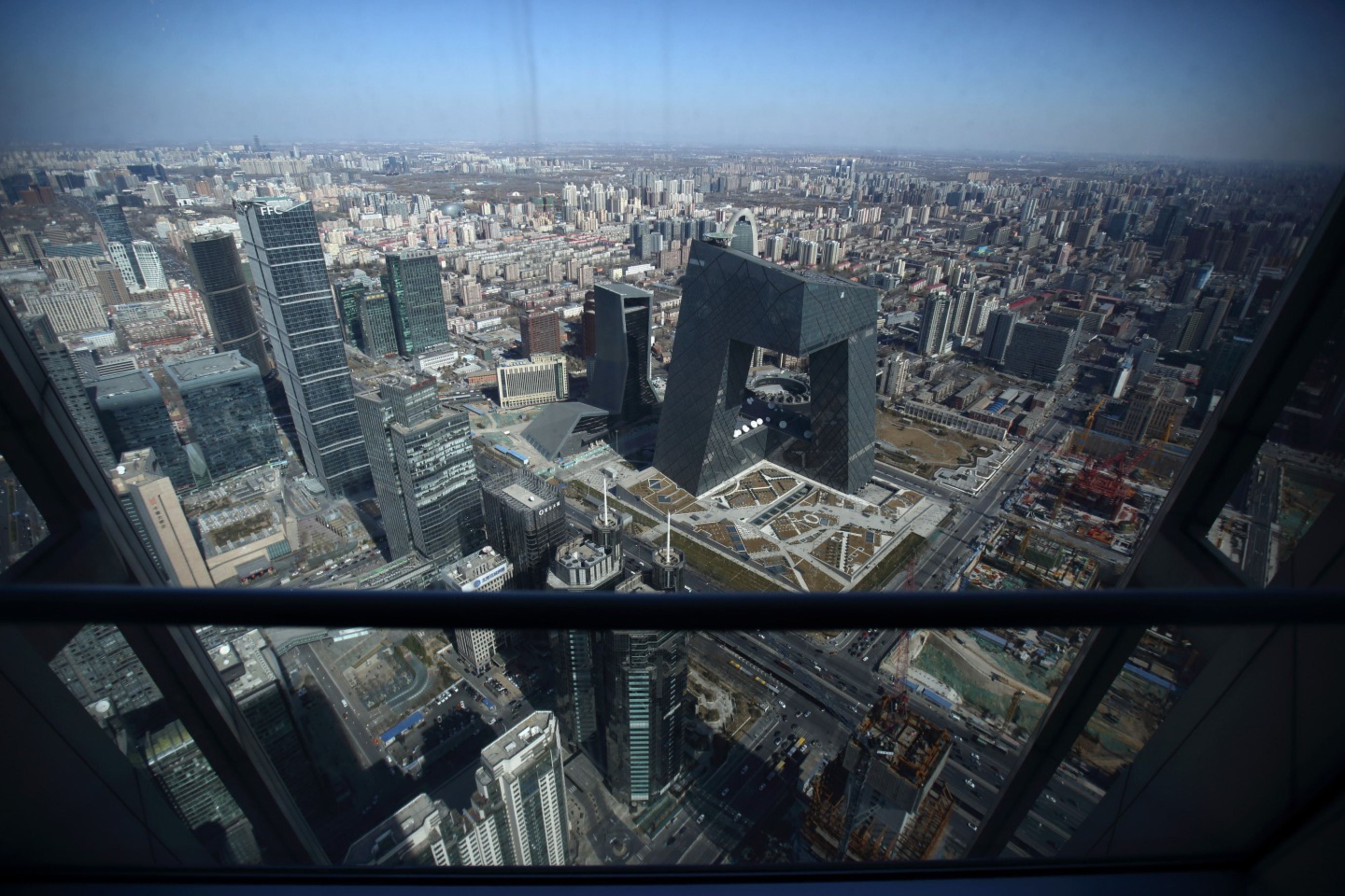
The Indian government's decision to tighten foreign direct investment rules for investors coming from China and other neighbouring countries has drawn a sharp criticism from the Chinese Embassy.
The additional barriers set by the Indian side for investors from specific countries violate WTO's principle of non-discrimination, and go against the general trend of liberalisation and facilitation of trade and investment, Chinese embassy spokesperson Ji Rong said in a statement.
On Saturday, the government had revised the FDI policy to say that entities from countries which share a land border with India will now be permitted to invest only under approval route. This restriction will also apply if the beneficial owner of the investment is an entity situated in or a citizen of such countries. India shares a land border with China, Pakistan, Bangladesh, Nepal, Myanmar, Bhutan and Afghanistan.
Experts said this will impact all global transactions by Chinese investors which have an India leg. For instance, a German target company which has an India subsidiary, proposed to be acquired by a Chinese investor, will now require a prior approval in India (in addition to applicable German approvals) — as the beneficial ownership of the Indian entity will be deemed to have been transferred to the Chinese investor, Atul Pandey, partner at Khaitan & Co., said.
There's also concerns around the implications of this for global funds and collective investment vehicles with Chinese beneficiaries. The initial assessment is investments by broad-based funds in Cayman, Mauritius, Singapore or Luxembourg, etc., which are managed by regulated third-party fund managers, may not be affected even if the beneficiary is a Chinese entity, he said.
In its statement, the Chinese Embassy said as of December 2019, China's cumulative investment in India has exceeded $8 billion, far more than the total investments of India's other border-sharing countries.
The impact of the policy on Chinese investors is clear. Chinese investment has driven the development of India's industries, such as mobile phones, household electrical appliances, infrastructure and automobile, creating a large number of jobs in India, and promoting mutual beneficial and win-win cooperation.Chinese Embassy Spokesperson Ji Rong's Statement
It said India's decision doesn't conform to the G20 leaders' consensus to realise a free, fair, non-discriminatory, transparent, predictable and stable trade and investment environment. ‘We hope India would revise relevant discriminatory practices, treat investments from different countries equally, and foster an open, fair and equitable business environment.”
Essential Business Intelligence, Continuous LIVE TV, Sharp Market Insights, Practical Personal Finance Advice and Latest Stories — On NDTV Profit.