Maharashtra Cooperation Minister Babasaheb Patil has called on the Centre to introduce separate sugar prices for household and commercial use, as retail prices rise during the festive season.
Under the proposed system, sugar for household use would be sold at a lower price, while industries such as beverage, biscuit and confectionery makers would pay more, NDTV reported.
साखर दर नियंत्रणासाठी वापराचे वर्गीकरण करण्याचा केंद्र सरकारकडे प्रस्ताव@mahancpspeaks#साखर_दरवाढ #सहकार #बाबासाहेब_पाटील #शेतकरी #ग्राहकहित #SugarPrice pic.twitter.com/LmjFudoHBN
Also Read | Layoffs Are Rising In Tech, But These Skills Are Helping People Unlock Better Pay
— Babasaheb Patil (@babasahebpati1) August 24, 2026
Patil said a two-tier pricing system could help both consumers and sugar mills. Households would get cheaper sugar for everyday use, while mills could earn better returns from commercial buyers, who currently benefit from bulk discounts under the uniform pricing system.
He also said only about 10% of the sugar produced in the country is actually used in households, with the bulk consumed by large-scale commercial buyers, and argued that pegging both categories to the same price unfairly burdens ordinary consumers when rates rise.
ALSO READ: Explained: Why Are Sugar Prices Spiking? Retail Rates Rise 20%, Wholesale Prices Up 30% In A Month
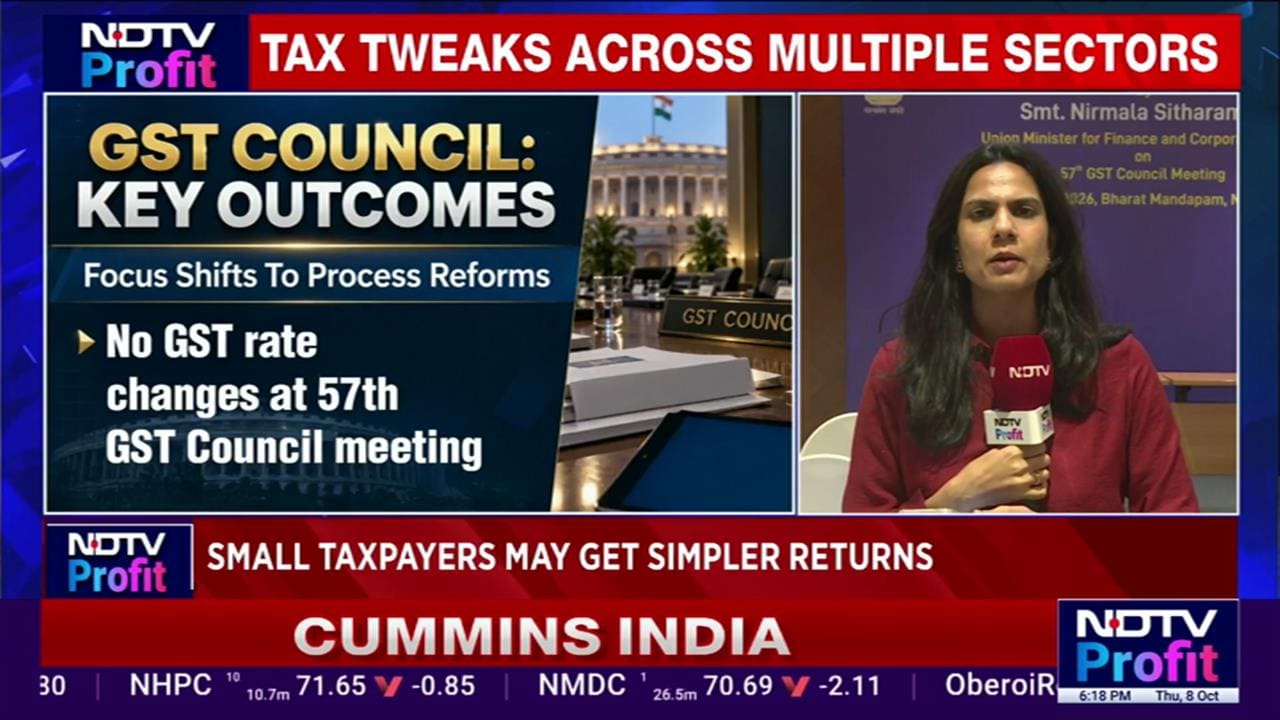
The minister said the proposal was originally submitted to the central government in March, as part of a broader set of demands the state has been pressing on the sugar sector.
Retail sugar prices in Maharashtra have climbed to around Rs 70 a kg in recent weeks, a spike the state government has attributed largely to hoarding and speculative trading rather than ethanol diversion policy, even as the Centre has kept the minimum selling price of sugar unchanged, leaving mills under financial strain.
Patil said implementing a two-tier pricing structure would ease pressure on both ends of the supply chain, giving consumers relief on everyday purchases while allowing mills to earn better returns from commercial buyers, some of whom currently benefit from bulk discounts under the existing uniform pricing regime.
The demand comes amid a wider push by the Maharashtra government for central intervention in the sugar sector, including an increase in the minimum selling price from Rs 31 a kg, higher ethanol procurement quotas, and relief on loans for cooperative and private mills, many of which are grappling with rising cane, transport and production costs despite record output in the state during the 2025–26 crushing season.
The National Federation of Cooperative Sugar Factories has separately backed a similar dual pricing structure in its recommendations for the draft Sugarcane (Control) Order, 2026.
ALSO READ: Festive Rush Or Global Shortfall? ISMA Explains What's Behind Record Sugar Crunch
Essential Business Intelligence, Sharp Market Insights, Practical Personal Finance Advice, Daily Fuel, Gold and Silver Prices and Latest Stories — On NDTV Profit.