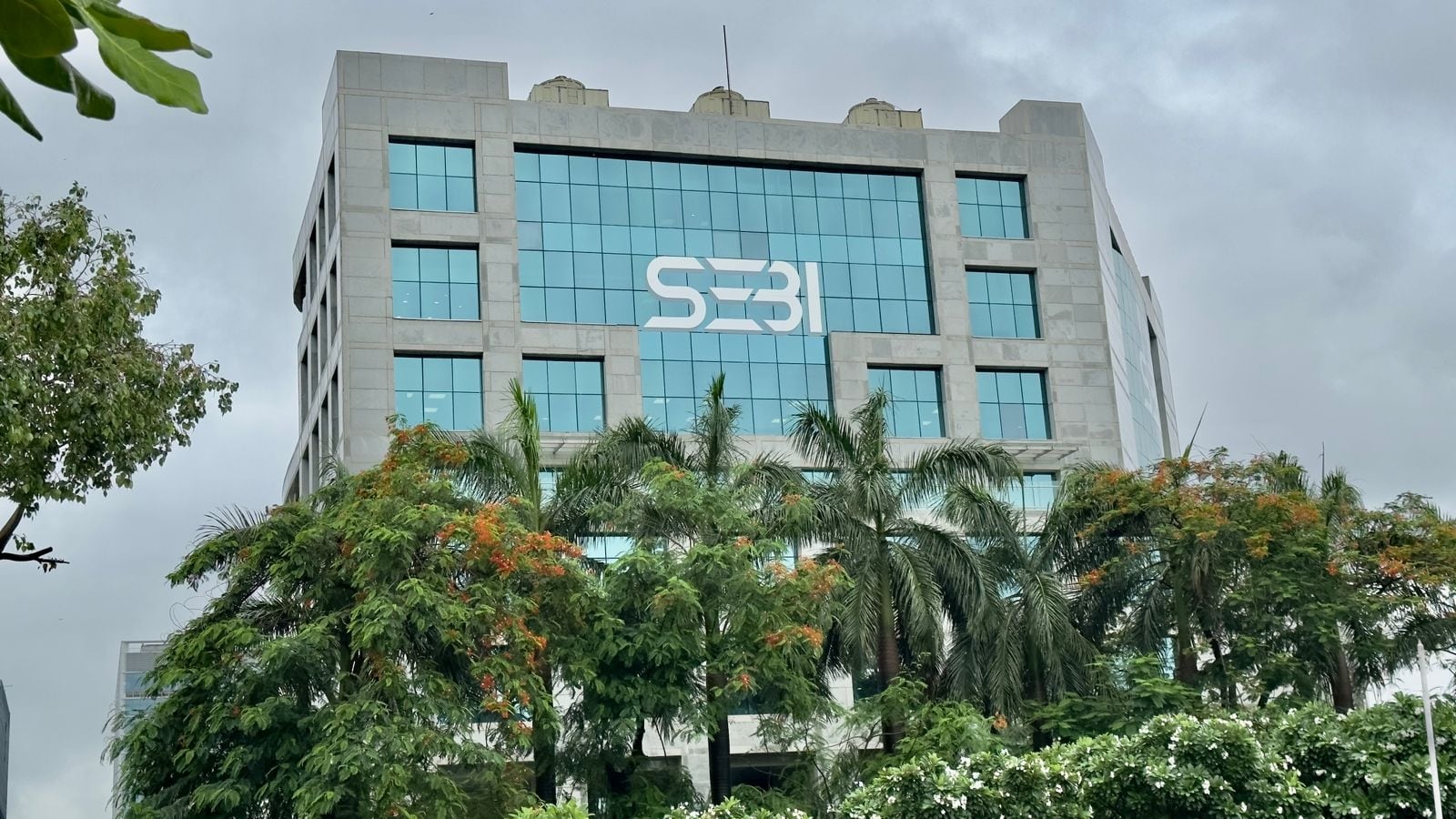
The securities market regulator relaxed its norms for borrowings made by large corporates in its board meeting held on Thursday.
It has introduced an incentive-based system in place of the present penalty-based mechanism for non-compliance with the borrowing mandates of the Securities and Exchange Board of India. A proposal for the same was earlier made in August.
At present, companies recognised as large corporates are expected to raise at least 25% of their incremental borrowings in a financial year through the issue of debt securities. Any shortfall can attract a penalty of 0.2%.
Also Read | Layoffs Are Rising In Tech, But These Skills Are Helping People Unlock Better Pay
Large corporates refer to companies that have an outstanding loan of Rs 100 crore or above, with a credit rating of 'AA', and have their debt securities listed on a stock exchange.
Instead of a penalty, the regulator will now introduce a system based on "incentives and moderated disincentives". It will also mention higher monetary thresholds for companies to be qualified as large corporates.
In order to ease compliance, SEBI has also decided to retain the requirement that compliance with the framework be met over a contiguous block of three years. They have also dispensed with the requirement to file a statement identifying themselves as a large corporate and a statement regarding compliance with the framework.
The changes have been made due to representation from several large corporates. According to them, raising funds from banks or other financial institutions is more affordable than raising funds through debt securities.
Apart from key changes in the framework for large corporates, the regulator has also approved changes to the Investor Education and Protection Fund regulations, listing regulations, REITs regulations, and InvIT regulations to enable investors to claim any amount held unclaimed in the IEPF in a systemic manner.
At present, any amount that's left unpaid to the investors due to their failure to redeem it on time is transferred to the IEPF account, waiting to be claimed.
Essential Business Intelligence, Sharp Market Insights, Practical Personal Finance Advice, Daily Fuel, Gold and Silver Prices and Latest Stories — On NDTV Profit.