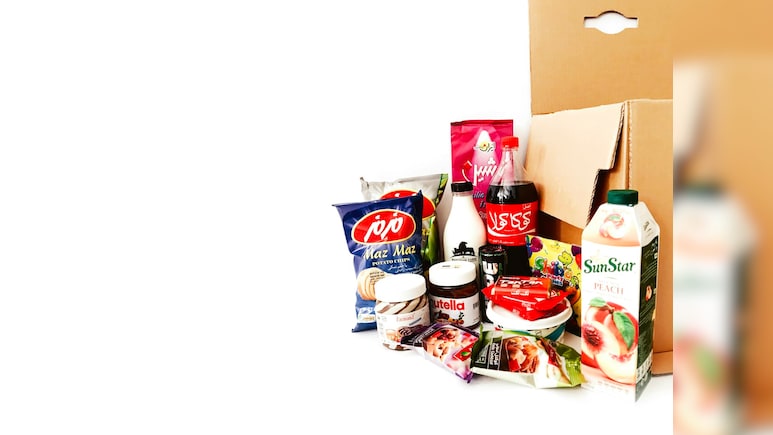
- India's proposed food labels face Supreme Court challenge over nutrient thresholds
- Activists argue two-nutrient limit may let unhealthy products avoid warnings
- Proposed rule requires warnings only if two of three nutrients exceed limits
India's proposed front of pack warning labels for packaged foods and drinks are facing a fresh challenge in the Supreme Court, with public health advocates warning that the rules could let products high in one unhealthy nutrient avoid a warning.
The activists argue that the proposed threshold gives food companies too much room to escape scrutiny and could weaken a system designed to help consumers quickly identify products high in nutrients such as sugar, salt or fat.
They have described the proposed limit as a concession to the food industry, saying it could undermine the purpose of front of pack labels, giving consumers a simple warning about the nutritional risks of packaged foods before they buy them.
Also Read | Layoffs Are Rising In Tech, But These Skills Are Helping People Unlock Better Pay
ALSO READ : Tukaram Mundhe Unveils Year-Round Plan To Check 'High-Risk' Foods During Festivals In Maharashtra
Non-profit organisation ‘3S' And ‘Our Health' has filed a complaint before the Supreme Court, which is currently hearing petitions related to India's proposed food labelling framework.
The petition, which the Supreme Court is set to hear on September 10, contests the government's proposal to require a red warning only for products that exceed prescribed limits for at least two of three nutrients: added sugar, salt and saturated fat.
The group argues that the two-nutrient threshold could allow products containing excessive levels of a single harmful nutrient to escape warning labels.
“A product that is high in sugar alone remains a diabetes risk,” said Rajiv Shankar Dvivedi, a lawyer representing the organisation, according to the filing reviewed by Reuters.
ALSO READ : Wai Wai Maker CG Foods Under FSSAI Lens — Here's What They Violated
Under the proposed framework, packaged foods would need a red hexagonal warning if they exceed the prescribed limits for at least two of three nutrients.
Public health experts have broadly backed front of pack warning labels, with international evidence suggesting they can influence consumer choices. Chile, for example, introduced separate black warnings for products high in specific nutrients in 2016. Researchers have linked the measure to a significant drop in sugary drink purchases.
The government has defended its approach, saying concerns over the proposal are misplaced. A government source told Reuters that India plans to tighten the rules in a second phase, potentially introducing separate warnings for each nutrient.
The timeline for the next phase has not been decided, with the government awaiting the Supreme Court's views.
Packaged food and beverage companies have also opposed the proposal, arguing that a large number of products could end up carrying warning labels and affect consumer demand.
The debate comes as obesity and diet-related diseases rise in India. A Lancet study estimated that around 180 million Indian adults were overweight or obese in 2021, with the number projected to rise sharply by 2050.
Essential Business Intelligence, Sharp Market Insights, Practical Personal Finance Advice, Daily Fuel, Gold and Silver Prices and Latest Stories — On NDTV Profit.