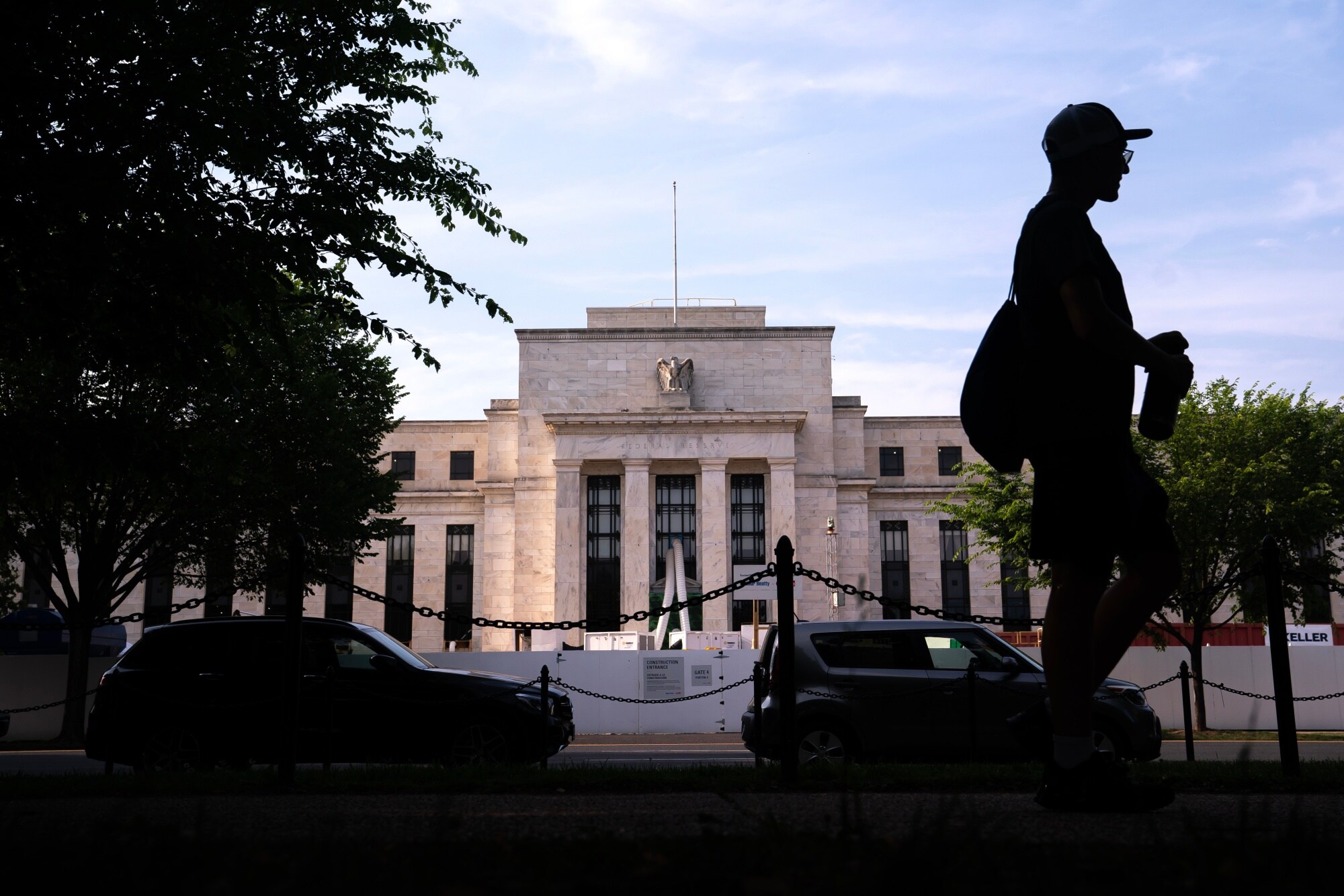
(Bloomberg) -- Most central banks across Asia are likely to begin cutting interest rates later in the year — if at all, according to economists at Morgan Stanley, as the Federal Reserve delays its own policy easing.
Central bank policymakers in China, South Korea, Indonesia, the Philippines and Taiwan are set to postpone rate cuts, while India and Malaysia hold rates for the rest of the year, economists led by Chetan Ahya wrote in a note Monday that revised the monetary policy outlook.
“We had expected a shallow rate cut cycle in Asia. But with the changes to our US team's expectations of the Fed policy path, this will now be even shallower,” they wrote, after economist Ellen Zentner moved her forecast for the Fed's first move to July with only three cuts this year versus four prior.
The odds of rate cuts are waning globally as data points to ongoing inflation pressures in the U.S. — retail sales there rose more than expected in March, supported by a tight labor market. Months of hot data have pushed market pricing of a Fed cut out to September from July, as policymakers wait for clearer signs of cooling.
Meanwhile, Asian central banks are unlikely to lower rates ahead of the Fed to protect their currencies, which can weaken against the greenback when easing policy.
Overall aggregate real rates will likely stay about 30 basis points above pre-Covid levels through at least the first quarter of 2025, the analysts said.
There are several risks to the forecast, as oil prices surge and any further inflationary pressure could push back rate cuts even more.
“Higher energy prices would lead to higher headline inflation pressure and may impart upside risks to the inflation outlook,” the economists wrote. “Against this backdrop, we think that central banks in the region would be held back in cutting rates.”
More stories like this are available on bloomberg.com
©2024 Bloomberg L.P.
Essential Business Intelligence, Continuous LIVE TV, Sharp Market Insights, Practical Personal Finance Advice and Latest Stories — On NDTV Profit.