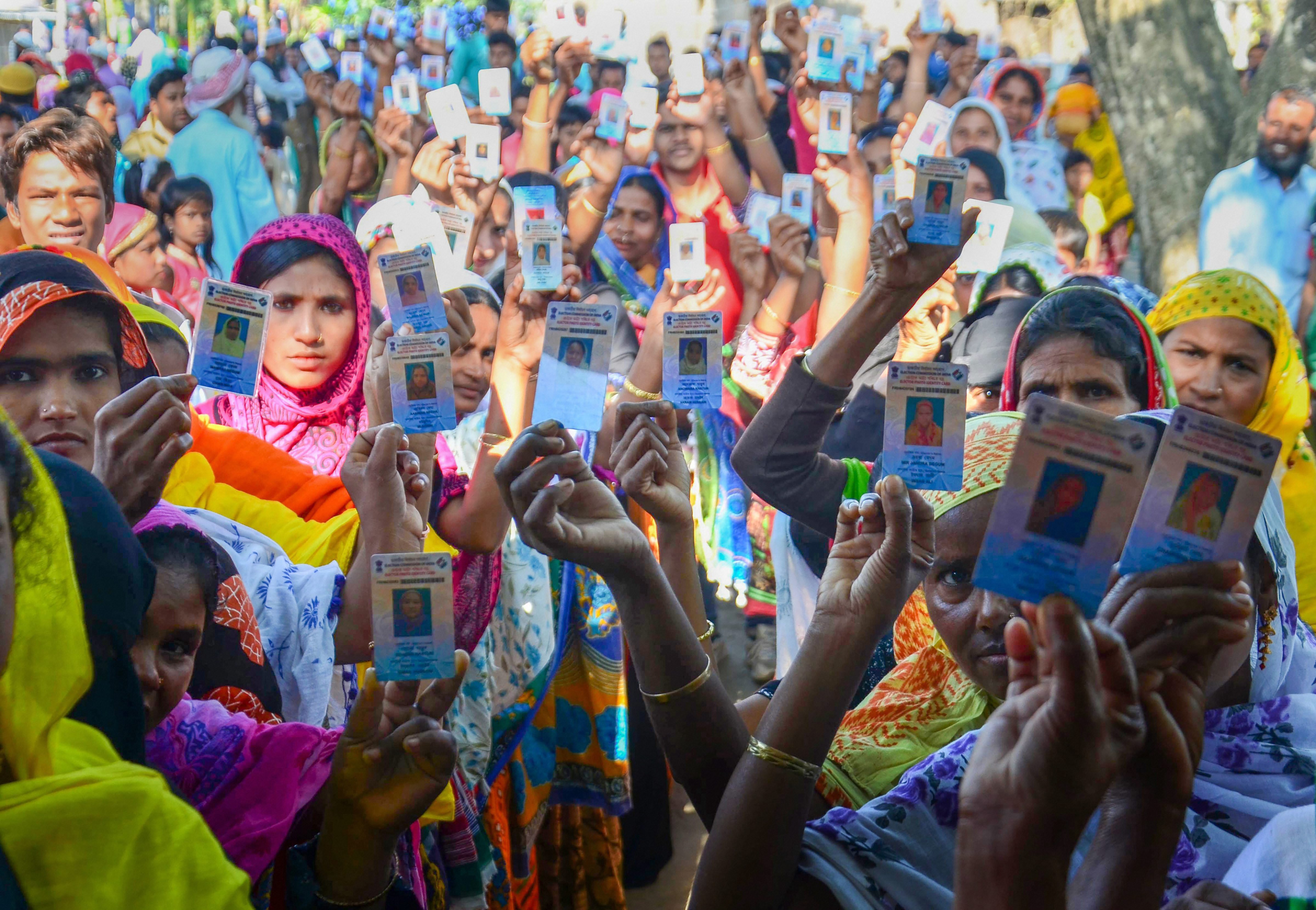
The government introduced the One Nation, One Election Bill in the Lok Sabha on Tuesday, raising significant discussion in Parliament. This bill aims to allow general and assembly elections to occur at the same time.
India has held simultaneous elections before; from 1951 to 1967, all state and parliamentary elections occurred together. However, disruptions began in 1968 and 1969 due to the early dissolution of some state assemblies.
In March, former President Ram Nath Kovind submitted an 18,626-page high-level committee report to President Droupadi Murmu.
As discussions about synchronising elections continue, it is important to examine their potential impact on various areas, including the economy.
Here's how GDP, fiscal deficit, government spending, and inflation would be impacted, according to the Kovind report:
GDP And Inflation
The Kovind report noted that the past periods of simultaneous elections led to higher economic growth, lower inflation, and increased investments.
The report estimated that holding simultaneous elections could raise GDP growth by up to 1.5 percentage points. This means about Rs 4.5 lakh crore, which covers half of the government's public spending on health and one-third of its spending on education in the fiscal 2023-24.
Besides, Niti Aayog reported that the costs for the Lok Sabha elections were Rs 1,115 crore in 2009 and Rs 3,870 crore in 2014.
The Election Commission estimates that simultaneous elections in 2029 will require nearly Rs 8,000 crore, according to a report by Times of India.
The Kovind report also indicated that the annual inflation is lower before simultaneous elections, observing that the inflation falls for both election types, but more when elections occur together.
"It (simultaneous elections) could lead to focused governance, reduced election costs, an end to horse trading, fewer freebies, and improved state finances," said former Assocham President Ajay Singh.
Fiscal Deficit And Spending
The central fiscal deficit tends to rise more after simultaneous elections than after non-simultaneous elections, according to the Kovind report. On average, the fiscal deficit can be 1.28 percentage points of GDP higher following simultaneous elections, the report noted.
The ratio of capital spending to current spending is estimated to be higher by 17.67 percentage points for simultaneous elections. This suggests that public spending after simultaneous elections focuses more on capital investment, which aligns with higher growth.
The Kovind report highlights that the tendency to incur revenue expenditure, such as “freebies,” has significant consequences. Frequent election cycles can lead to poorer long-term decisions compared to governments that elect once every five years.
Investments
Election cycles also have a potentially significant impact on investments and inflows. According to the Kovind report, frequent elections can not only directly disrupt activity but also indirectly affect the economy through greater uncertainty, causing spillovers for private investment.
A significant increase in the number of days under the model code of conduct can also directly reduce public expenditures and investment.
There may be initial hiccups just like during the time of the GST implementation. The fruits of one nation, one election depend on its passing in Parliament and when it is implemented.
Essential Business Intelligence, Continuous LIVE TV, Sharp Market Insights, Practical Personal Finance Advice and Latest Stories — On NDTV Profit.